


Top-rated tree service pros.

Get matched with top tree service pros in Chapman, KS

Enter your zip and get matched with up to 5 pros

Need a pro for your tree service project in Chapman, KS?

Select your specific project to find the pro for you.

TRUSTED BY CHAPMAN, KS HOMEOWNERS

  • Average homeowner rating star icon3.6
    Average homeowner rating
  • Verified reviews icon43
    Verified tree services reviews

Find Tree service pros in Chapman

Avatar for Jack's Stump Be Gone
Jack's Stump Be Gone
New to Angi

Serving Chapman, KS and surrounding areas

Approved

In business since 2022

Free estimates

Offers commercial services

Jacks Stump Be Gone is committed to excellence in every aspect of our business. We uphold a standard of integrity bound by fairness, honesty, and personal responsibility. Our distinction is the quality of service we bring to our customers. Accurate knowledge of our trade combined with ability is what makes us true professionals. Above all, we are watchful of our customers' interests and make their concerns the basis of our business.

Response time2 days
Avatar for Lakeside Construction, LLC
Lakeside Construction, LLC
5.0(
2
)

Serving Chapman, KS and surrounding areas

In business since 2021

Free estimates

Credit card accepted

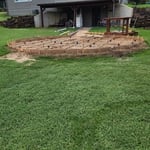
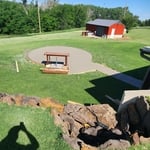
"Jeff and his entire team knocked out our large back patio in no time. The completed work is best in class. If you are looking for a trustworthy company to do some dirt work or concrete work, look no further because Lakeside Construction is the best."
Recommended by100%of homeowners
Showing 1-10 of 35
Tree Service questions, answered by experts

Not all leaning trees are dangerous, but they can be a hazard as gravity may eventually cause them to fall. A key factor is whether the lean is new or has been present for a long time. Trees that have grown with a lean for years are not typically an immediate danger, but a sudden lean is a cause for concern as it often indicates weakening roots. If a tree is leaning more than 15% from vertical, you should consider having it straightened or transplanted. To be safe, it's always best to hire a professional arborist to inspect any leaning tree to assess the risk and avoid potential accidents.

In most cases, you should not use a pruning seal on trees after trimming. Applying a sealant can interfere with the tree's natural healing process, and it does not guarantee protection from pathogens. Instead of sealing the cut, the best practice is to support the tree's natural recovery by providing it with plenty of water and a dormant-style fertilizer. However, there are exceptions. Pruning seals may be recommended for very vulnerable species, like elm trees, in areas where dangerous diseases such as Dutch elm disease are prevalent. In these specific situations, the protection offered by a sealant can outweigh its downsides. For advice tailored to your situation, especially after cutting large branches, it is best to consult a local tree trimming professional.

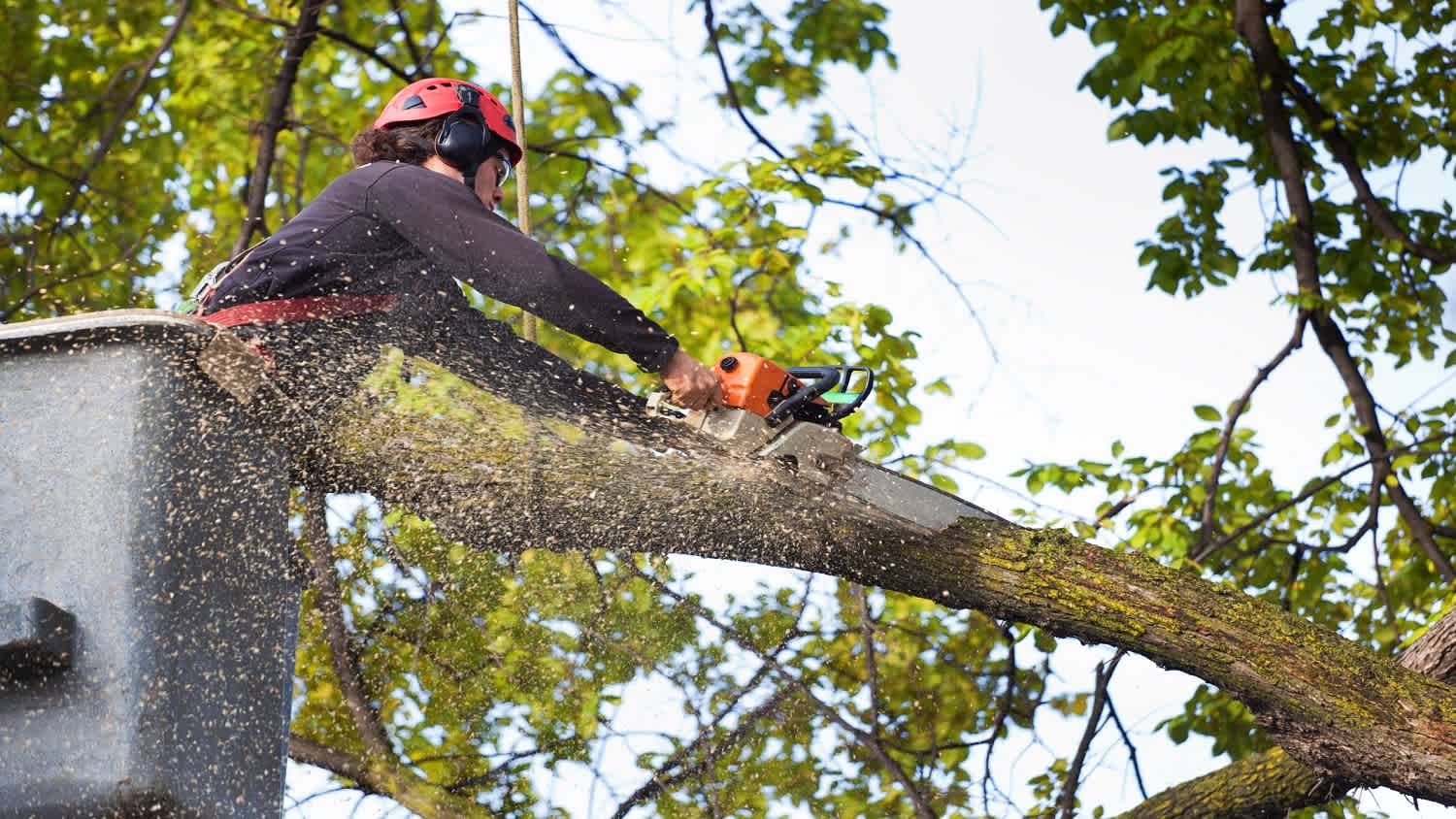
It is possible to cut down a tree on your property yourself, but it is generally not recommended unless specific conditions are met. You should only consider this project if the tree is small (e.g., under 4-5 inches in diameter and short enough that you don't need a ladder to reach the branches), and you are experienced in handling a chainsaw. The tree must also be located far from any power lines, fences, homes, or other structures. Even for small trees, the work can be dangerous, and it's always advisable to have a spotter to ensure the tree falls correctly and no branches fall on you.

For any tree that is large, requires a ladder to access, or is near electrical lines or structures, you should always hire a professional. Attempting to remove a large tree yourself is extremely dangerous, poses a risk of serious injury, and could result in significant damage to your property.

Before any tree removal, it's also important to check your local and state regulations to ensure the tree is not historic or otherwise protected by your city.

You will know that an oak tree needs to be removed when you see vertical cracks or dead branch stubs, which indicate internal decay. Other signs include trunk rot near the base of the tree and sprouts or small branches coming from the trunk.

If it’s only a smaller branch that has died and you’re keeping an eye on the tree, it’s probably nothing to worry about. But if other nearby branches start dying off as well, or a very large branch dies, then you likely have a bigger problem. It’s time to watch for diseases and other problems and possibly get professional guidance on how to proceed.

The Chapman, KS homeowners’ guide to tree services

From average costs to expert advice, get all the answers you need to get your job done.