


Top-rated biohazard remediation specialists.

Best biohazard remediation specialists near Downs, KS

Enter your zip and get matched with up to 5 pros

Need a pro for your biohazard remediation project in Downs, KS?

Select your specific project to find the pro for you.

Top-Rated Biohazard remediation specialists in Downs - Updated Nov 2026

Avatar for Altru Restoration, LLC
Altru Restoration, LLC
5.0(
3
)
Toxicity and Mold - Removal

Serving Downs, KS and surrounding areas

In business since 2025

Free estimates

Emergency services offered

"We recently had a tree branch punch through our roof, letting the rain come in. We were recommended to use Altru Restoration by a roofing company. They were able to come in quickly and worked with the roofing company to prevent the rain from traveling into the other rooms. While a few of our belongings were damaged and soaked, they connected us with a contents restoration company to help us get them taken care of. All in all, they were very good with their communication with us, as well as being prompt with their initial response. Highly recommend this company!"
Commercial Cleanup
Pressure Washing
Soot Cleaning
Mold Remediation
Home Mitigation

+15

Response time8 hrs
Avatar for Master Movers
Master Movers
4.3(
25
)
Hazardous Waste Removal

Serving Downs, KS and surrounding areas

In business since 2011

Free estimates

Credit card accepted

"Associates were respectful and professional, everything was handled with care and caution. Everything was organized well and moved without damages, would definitely recommend and or use the services again."
Recommended by86%of homeowners
Biohazard Remediation FAQs, answered by experts

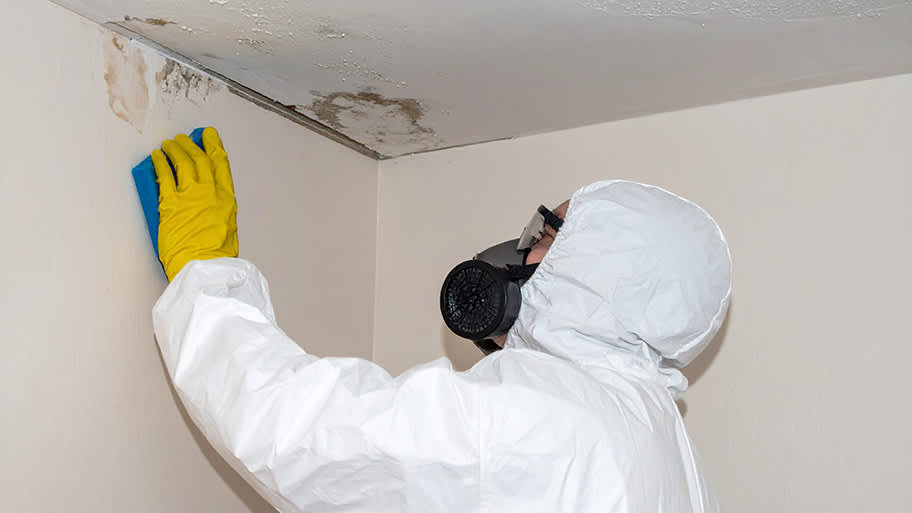
To remove mold from kitchen cabinets, use a homemade solution or a store-bought solution. If you catch the mold early, you might be able to kill it by applying vinegar and letting it sit for 15 minutes before wiping the solution off using a sponge or rag. If at-home products don’t work, you can use sodium hypochlorite to remove mold.

Be sure to wear PPE during the cleaning process and dry the cabinets after you’ve finished cleaning them.

There are different types of mold, and not all humans are the same. For example, a more toxic type of mold may have less of an effect on a healthy person than a less toxic mold in the home of someone who is immunocompromised. If you recognize any symptoms of mold poisoning—sinus issues, brain fog, respiratory distress, constraint cough, migraines, or any others—call your doctor or go to the hospital before you attempt any removal.

Yes, you can use bleach to remove mold from your aluminum siding, but it’s a powerful cleaning agent, so make sure it’s diluted with water first. A solution of one part bleach and four or five parts water works well. But it’s still a good idea to start by cleaning a small, inconspicuous area of the siding to make sure that the solution doesn’t cause damage or discoloration. 

Hazardous waste is waste that poses a threat to human or environmental health. This generally refers to waste that is flammable, corrosive, toxic, or reactive. To confirm if the waste you need to remove is considered hazardous waste, contact your local hazardous waste facility.

Mold and other fungi love moisture, so the best way to prevent mold growth after water damage is to remove as much moisture as possible. First, find the source of the water or moisture, such as a leak or clogged gutters, and correct the problem. Next, remove standing water, vacuum up puddles with a shop vacuum, and run blower fans and dehumidifiers for 24 to 72 hours. Once you've removed all traces of moisture, disinfect the area using either vinegar or bleach to kill any remaining mold spores.

The Downs, KS homeowners’ guide to biohazard remediation services

From average costs to expert advice, get all the answers you need to get your job done.