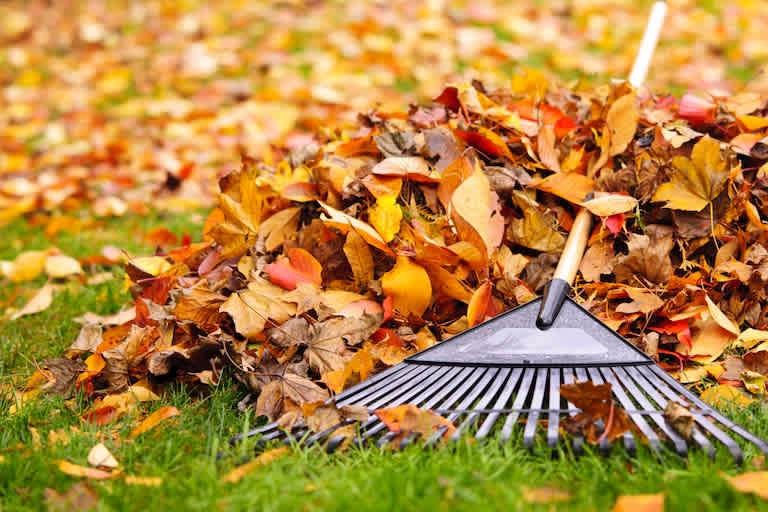


Top-rated leaf removal pros.

Get matched with top leaf removal pros in Clifton, KS

Enter your zip and get matched with up to 5 pros

Need a pro for your leaf removal project in Clifton, KS?

Select your specific project to find the pro for you.

Find Leaf removal pros in Clifton

Avatar for Innovative Handyman
Innovative Handyman
5.0(
7
)
Lawn Care - Maintain and Mow a Lawn

Serving Clifton, KS and surrounding areas

In business since 2000

Free estimates

Emergency services offered

"Jason was just tremendous to work with. He did a quality job and didn't take any shortcuts. We are so glad we found him. We will definitely be using him in the future. We would recommend him to anyone in need of a handyman."
Response time1 day
Recommended by100%of homeowners
Avatar for StringLine Construction LLC
StringLine Construction LLC
4.3(
58
)
Lawn Care - Maintain and Mow a Lawn

Serving Clifton, KS and surrounding areas

In business since 2014

Free estimates

Warranties offered

"Flooring, siding, and painting were all on the agenda. Audie was professional, patient and did a fantastic job start to finish and stayed ON SCHEDULE!!! What more could you ask for?"
fireplace
Owner
Owner
before
Owner

+26

Response time1 day
Recommended by90%of homeowners
Showing 1-10 of 26
Leaf Removal questions, answered by experts

The best disposal method for hazardous waste is recycling or donation, if possible. That way, the world can reduce its consumption of raw materials and the volume at which materials have to be treated and disposed of. If recycling or donation is not an option, most waste can be disposed of through landfills or incinerators, but their collection and treatment are separate from regular day-to-day waste disposal. 

If the lead paint is in a place that is not easily disturbed and is not flaking or deteriorating, you do not necessarily need to remove it. Lead is toxic when dust particles or flakes from peeling lead paint are ingested. If people are not in the area with the lead paint, it may be safe to leave it in place. You still may want to consider encapsulation with a paint formulated for covering lead-based paint, just for an added layer of protection.

If your roof was constructed between 1930 and 1970, there’s a possibility that the shingles contain asbestos. If that’s the case, you should hire a professional for repairs and replacement, as they’ll have the necessary equipment to stay safe from such a hazardous and cancer-causing substance. If your home was constructed after this period, it’s unlikely that the shingles in place are toxic. In most cases, asbestos shingles are not recyclable, while standard asphalt shingles are recyclable.

While not all homes built before 1978 contain lead paint, enough do, so you’ll still want to test to be on the safe side. The federal government banned lead-based paint for homes in 1978, but your state may have banned lead before that time. Around 24% of homes built between 1960 and 1977 contained lead-based paint, while 87% of homes built before 1940 contained lead-based paint.

Exterior paint contains a higher level of VOCs, which can be dangerous if you’re exposed to it for a long period of time. The good news is that paint’s toxicity reduces significantly once fully dried and cured. Do not keep open exterior paint cans in your home, basement, or garage, exposing your household to harmful chemicals over time.

The Clifton, KS homeowners’ guide to leaf removal services

From average costs to expert advice, get all the answers you need to get your job done.