




Top-rated radon detection and reduction specialists.

Best radon detection and reduction specialists near Scottsburg, IN

Enter your zip and get matched with up to 5 pros

Need a pro for your radon detection and reduction project in Scottsburg, IN?

Select your specific project to find the pro for you.

Top-Rated Radon detection and reduction specialists in Scottsburg - Updated Nov 2026

Swat Group, Inc.
4.4(
152
)
Radon Gas - Abatement

Serving Scottsburg, IN and surrounding areas

In business since 1988

Free estimates

Credit card accepted

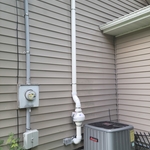
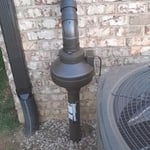
"Hired for the convienience of their timely ability to install a radon system. The vent on the outside of the house is a large diameter, circular chimney that is very unsightly. Prices were a bit higher than other companies, but their ability to install quickly took precedence. In SWATs defense, I did not inform the company of my displeasure as the system was being installed as a condition of sale."
Response time1 day
Recommended by94%of homeowners
Radon Detection and Reduction FAQs, answered by experts

The average radon mitigation system uses about 876 kWh of electricity per year, although the exact amount of electricity used will vary depending on the size of the radon fan. Once the system is installed, the annual increase to your energy bill could range from $30 to $300 per year, again depending on the size of the fan.

No, radon mitigation systems do not decrease home value or make a home harder to sell. In areas where homes experience similar radon exposure risks, a radon mitigation system is viewed as an improvement. Potential homebuyers often opt to buy a home with a radon mitigation system already installed to reduce the risk of cancer for their families.

You'll need to test your home for radon after installing the mitigation system, then again every two years. If radon remains elevated, contact a licensed radon professional, either the contractor who installed the system or a different one, and have them evaluate the system. They may need to make some changes to improve its effectiveness and performance.

Keeping radon from getting into your home is much better than having to get rid of it once it's already indoors. While there may not be a way to fully prevent radon from getting into your home, there are things you can do to reduce the gas's ability to enter. 

Sealing foundation cracks and openings can help keep the gas from seeping inside. Improving air flow, such as by opening windows, can also be helpful. If you're building your home from scratch, talk to your contractor about using radon-resistant construction to keep the gas out.

Radon is present almost everywhere but, like sunlight, the concentration levels and how often you are exposed to it have a large part to play in just how dangerous it is. There are levels of radon that are acceptable inside a house, but above a certain limit, radon becomes a serious radioactive hazard that is a known cause of lung cancer. In fact, radon exposure is the number two leading cause of lung cancer (after smoking).

The Scottsburg, IN homeowners’ guide to radon detection and reduction services

From average costs to expert advice, get all the answers you need to get your job done.