





Top-rated flooring contractors.

Get matched with top flooring contractors in Nappanee, IN

Enter your zip and get matched with up to 5 pros

Need a pro for your flooring project in Nappanee, IN?

Select your specific project to find the pro for you.

TRUSTED BY NAPPANEE, IN HOMEOWNERS

  • Average homeowner rating star icon4.5
    Average homeowner rating
  • Verified reviews icon25
    Verified flooring services reviews

Find Flooring contractors in Nappanee

Avatar for TKW Remodeling LLC
TKW Remodeling LLC
4.9(
11
)
Laminate Wood or Stone Flooring - InstallLaminate Wood or Stone Flooring - Install - For BusinessLuxury Vinyl Flooring - Install - Materials Not Provided by Consumer+6 more

Serving Nappanee, IN and surrounding areas

Approved

In business since 2023

Free estimates

Credit card accepted

We take great pride in offering the best possible experience with our expertise, quality, and customer service. In order to understand the needs and expectations of our clients; we take great care to work and communicate with everyone in a professional manner. It is our mission to exceed our clients expectations by providing excellent workmanship and complete customer satisfaction, from the start of each project to its completion. Our reputation is based on service, safety, and quality, regardless of how large or small the job.

4 neighbors recently requested a quote
Recommended by27%of homeowners
...
Showing 1-10 of 204
Flooring Installation questions, answered by experts

If you don’t want to use carpet as a covering for your stairs, you have several alternatives. A few popular choices include hardwood, laminate, and rubber flooring.

While it is possible to install carpet yourself, it is a challenging DIY project that requires precise measurement, proper cutting skills, and knowledge of correct installation techniques. The process involves multiple steps, including removing old flooring, installing underlayment and tack strips, and stretching the carpet to prevent wrinkles, which can take several days to complete.

Before starting, consider these factors:

  • Warranty: Many manufacturers' warranties are voided if the carpet is not installed by a professional.

  • Tools: You will need to buy or rent specialized equipment like a knee kicker, carpet stretcher, and seam roller.

  • Complexity: DIY installation is most suitable for simple, straightforward rooms. Projects involving stairs or floor vents are significantly more difficult.

  • Cost: While you can save on labor, the cost of tools plus the risk of expensive mistakes—which may require re-installation—can make hiring a professional more cost-effective in the long run.

Given the potential for errors, voided warranties, and the need for special tools, hiring a local carpet installer is often recommended to ensure the job is done correctly and safely.

There are many different types of carpets for you to choose from. When choosing a carpet, it’s essential to consider the following:

  • Fiber: Describes what your carpet is made of, such as polyester, wool, nylon, or acrylic. 

  • Pile type: Explains how your carpet looks. Your carpet fibers can be looped, twisted, cut, or woven.

  • Pile height: Describes the length of your carpet. You can choose a low, medium, or high pile.

  • Density: Refers to how close yarn fibers are to each other. 

Yes, carpeted stairs are generally considered safer than stairs with hard surfaces like wood, vinyl, or tile. Carpet provides more traction and friction, which helps reduce the chances of slips and falls. Additionally, if a fall does occur, carpet offers more cushioning, which can lessen the severity of an injury. While hard surfaces can look great, they are often more slippery. However, it's worth noting that some carpets, especially if they are new, dirty, or have a slick texture, can also pose a slipping hazard. To improve safety on any type of stair surface, you can add traction treads to increase grip.

Whether you install flooring before or after kitchen cabinets depends primarily on the type of flooring you are using. For materials like hardwood, tile, and sheet flooring, the best practice is to install the flooring first. This ensures the cabinets are installed at the correct height and on a stable surface. However, you should not install cabinets on top of floating floors, such as laminate or luxury vinyl plank (LVP). These types of flooring need room to expand and contract with temperature and humidity changes. Placing heavy cabinets on top can restrict this movement, potentially causing the floor to buckle and making the cabinets unstable. For floating floors, install the cabinets first and then lay the flooring up to them. Other reasons to consider installing cabinets before the flooring include saving money on materials (since you won't need flooring under the cabinets) and avoiding potential damage to your new floor during cabinet installation. Additionally, installing cabinets directly on the subfloor might prevent voiding your flooring's warranty.
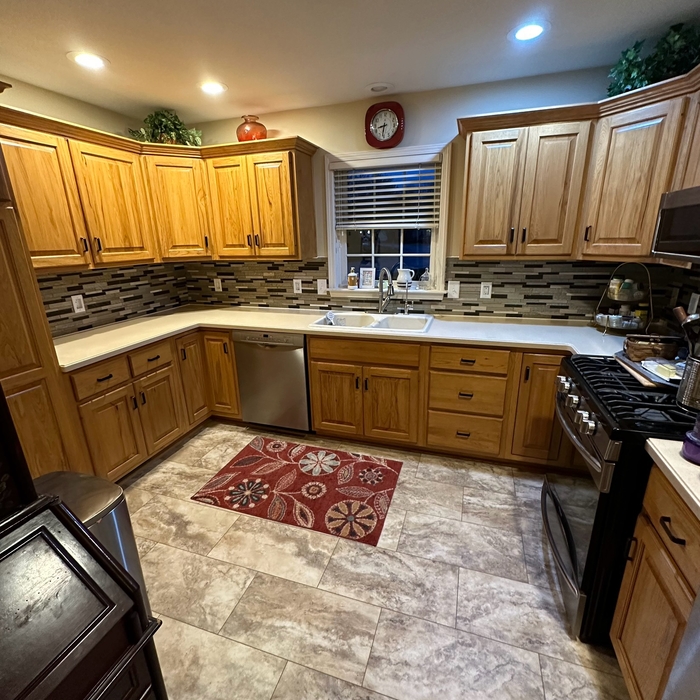
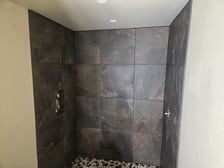
The Nappanee, IN homeowners’ guide to flooring services

From average costs to expert advice, get all the answers you need to get your job done.