









Top-rated structural engineers.

Get matched with top structural engineers in Hatfield, IN

Enter your zip and get matched with up to 5 pros

Need a pro for your structural engineering project in Hatfield, IN?

Select your specific project to find the pro for you.

Find Structural engineers in Hatfield

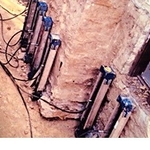
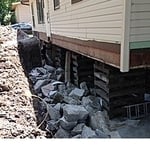
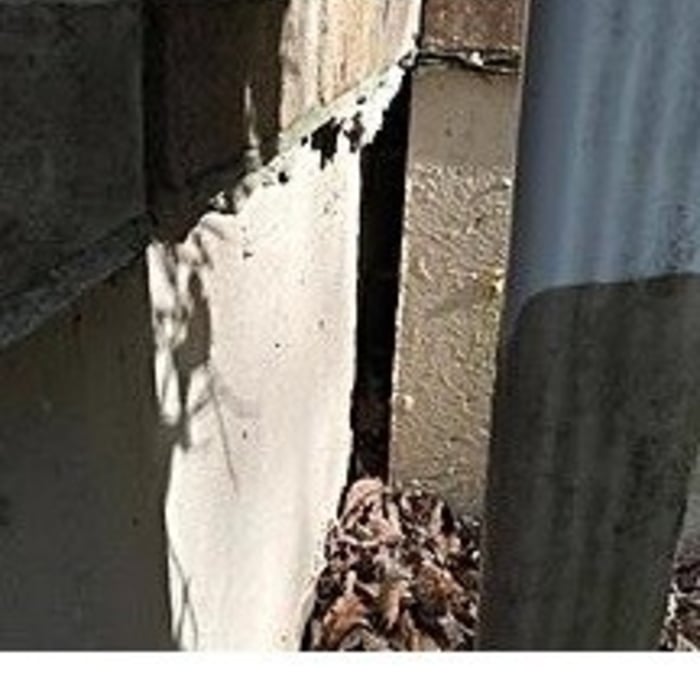
We fix bowed walls, offer piering for foundation settlement and fix any & all foundation cracks. We also do structural repair.


Avatar for EHM

EHM

4.50(
16
)

EHM

4.50(
16
)
Customers say: Quality work
72 years of experience

EHM is a structural moving and elevating company that also specializes in foundation repair and replacement. We have been working in the Midwest since the Great Floods of 1993. We specialize in severely comprised foundation issues. We can elevate, level, pier or replace a wall or your entire foundation. We do not do mudjacking, waterproofing or minor crack repair.

"I did not get the service that we originally talked about I am very unhappy"

Donna S on August 2021

EHM is a structural moving and elevating company that also specializes in foundation repair and replacement. We have been working in the Midwest since the Great Floods of 1993. We specialize in severely comprised foundation issues. We can elevate, level, pier or replace a wall or your entire foundation. We do not do mudjacking, waterproofing or minor crack repair.

"I did not get the service that we originally talked about I am very unhappy"

Donna S on August 2021

Structural Engineering questions, answered by experts

Any issue that affects the structural integrity or soundness of a home is considered a structural issue. In addition to foundation cracks, other signs of structural issues include roof leaks, bowing walls, sloping floors, gaps around windows and doors, and more.

Squeaky floors don’t always mean structural damage. Usually, it’s caused by friction somewhere inside your floor—whether it’s a loose floorboard or a gap between the subfloor and joists. If there is structural damage, you’ll notice other signs like soft or sagging floors, cracks that go from the wall to the ceiling, and horizontal cracks on your foundation.

A freestanding brick wall that's only one brick thick can usually stand six to eight feet high. If you need a higher wall, it should be at least two bricks thick for adequate stability, and it might require a footing to support the added weight. Additionally, some areas have regulations and codes dictating how high a brick wall can be, so check with local code enforcers to ensure your proposed wall complies with any regulations.

Absolutely, as it ensures designs are viable and won’t compromise structural integrity.

You should avoid drilling or cutting into load-bearing beams because removing material will weaken it and increase the risk of structural damage or even collapse. If you do need to drill into a load-bearing beam, speak with a structural engineer first to discuss where it’s safest to drill and the width and depth of the bit that’s safe to use.

The Hatfield, IN homeowners’ guide to structural engineering services

From average costs to expert advice, get all the answers you need to get your job done.

What do you need done? We’ll find top pros.
  • 🌱 "Mow a small front yard"
  • 🛠 "Fix a leaking pipe under the sink"
  • 🏠 "Repair shingles on an asphalt roof"