
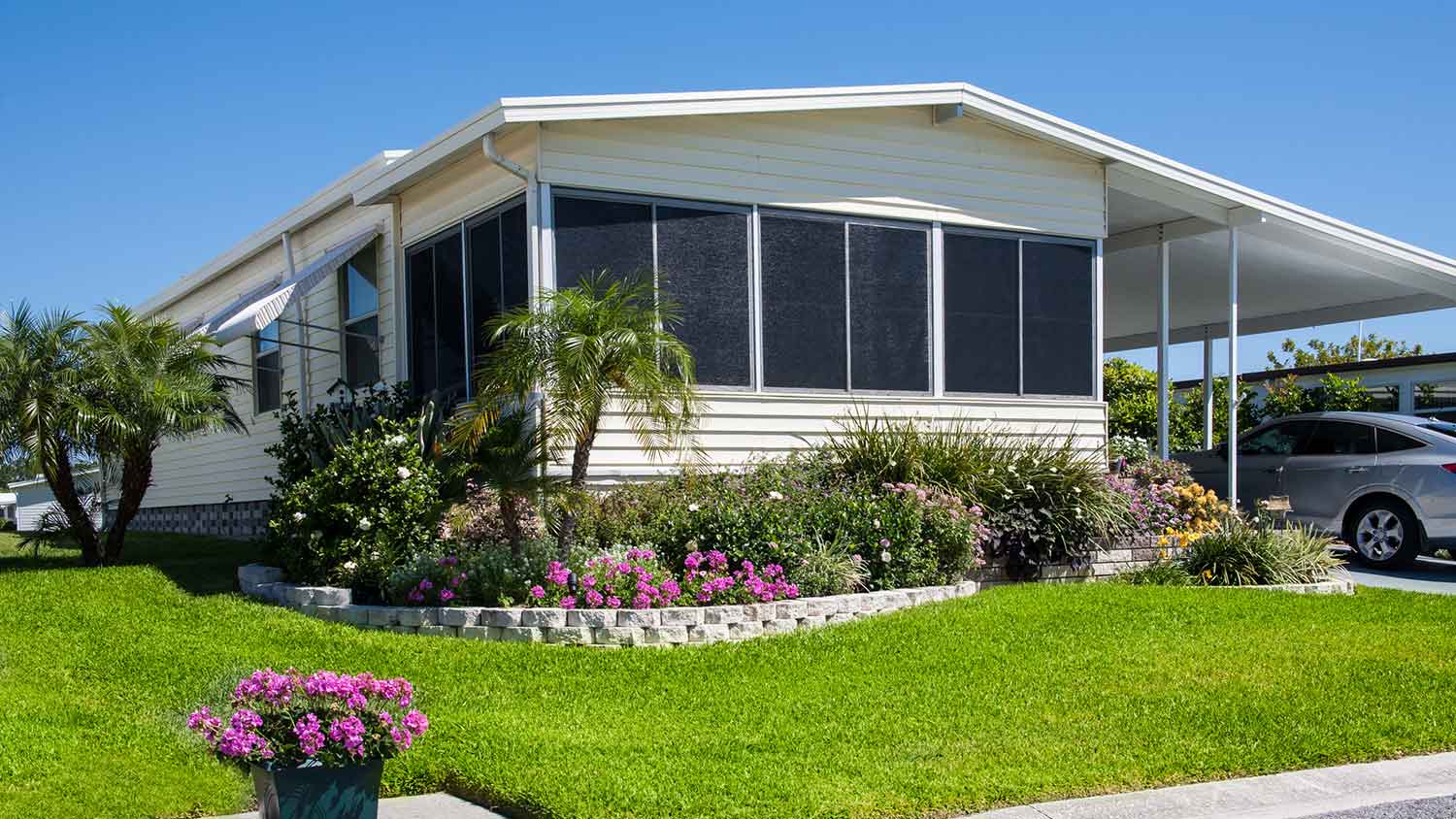
Learn about mobile home inspection costs and some additional costs you might have to pay so you can budget before moving in or closing on your new home.
Dig deep into the foundational differences between structural and home inspections

A structural inspection focuses on your home's load-bearing elements and foundation integrity, while a home inspection provides a broader surface-level review.
Home inspections cost $300 to $425 on average, while structural engineer inspections range from $350 to $800 depending on your home's size.
Your choice depends on your situation: home inspections suit general property assessments, while structural inspections address foundation concerns or renovation planning.
Hiring a local home inspection professional provides reliable guidance on whether you need both inspections, helping you understand your home's condition confidently.
A couple of inspections can save you from dealing with big problems in the long run, but not all inspections serve the same purpose. While some people may think that a structural inspection and a home inspection are identical and interchangeable, they have several noteworthy differences. Whether you’re ready to buy a new home or you’re considering a major addition to your existing house, learn how structural inspections and home inspections differ in scope and benefits.

A structural inspection zeroes in on the structural integrity of a home. A structural engineer looks closely at load-bearing elements to assess whether there are possible safety hazards. By contrast, a home inspection is more general in scope, offering a surface-level evaluation of a home’s overall condition. A home inspection looks at the structure, but not to the level of detail of a structural inspection.
These are the main differences between what a structural inspection is and what a home inspection is. They are performed by different professionals, can take different amounts of time, and can cost different amounts of money.
| Differences | Structural Inspection | Home Inspection |
|---|---|---|
| Area of focus | Structural integrity | General condition |
| Level of detail | Specific | Broad |
| Who to hire | Structural engineer | Home inspector |
| Time it takes | 1 – 3 hours | 2 – 3 hours |
| Typical cost | $300 – $3,000 | $200 – $500 |
The terms “foundation inspection” and “structural inspection” are sometimes used interchangeably. Structural engineers have specific training on how to assess for issues relating to load-bearing walls, foundations, and other structural elements of a building. They look at a building’s ability to carry its design load safely and effectively.
This includes factoring in environmental factors, like if a home is located in an area at risk of earthquakes or hurricanes. The structural integrity of homes in hilly areas or in regions with different climates will have different requirements. Structural engineers can identify possible weak points and offer suggestions for how to address them.

Whereas a structural inspection digs deep into the structural integrity of a building, a standard home inspection is much broader in scope. It looks at the overall condition of the home at more of a surface level.
This is largely a surface inspection, so don’t expect a home inspector to look behind walls or under floors. It is non-invasive but can help reveal hidden problems. Depending on what they find, they may suggest hiring a specialist to investigate further, like finding a structural engineer to inspect the foundation. Structural issues are one of the most common things that fail a home inspection.
A structural inspection and a home inspection will each have a different process since they’re looking at different things. There are some similarities, but a structural inspection will be much more focused on looking for signs of structural damage. It’s a good idea to be present at a home inspection and a structural inspection, since the inspector may have questions or need access only the homeowner can provide.
A licensed structural engineer will focus on the load-bearing elements of a home to assess its overall structural integrity. As they inspect the structure of the building, they may look for:
Signs of foundation issues, like settling, water ingress, heaving, or cracking
Wide cracks and other major defects to exterior walls, especially around door and window frames
Visible issues with load-bearing walls, such as cracking or warping
Structural damage to studs, joists, and beams caused by rot or termite infestation
Bulging or warping of the home’s floors and walls
The ability of the roof’s structure to withstand high winds or heavy snow loads
The home inspection report you receive will generally include information about the following areas and aspects of the property:
Apparent structural soundness
Signs of water damage
Roofing system
Electrical system
HVAC system
Plumbing
Floors, walls, and ceilings
Kitchens and bathrooms
Windows and doors
Major appliances and fixtures
A home inspection costs an average of $300 to $425, although you’ll pay more for a large house or if you live in an area with a high cost of living. The cost of a home inspection is worth it when you’re listing your home for sale, purchasing a new home, or appraising your home’s value.
An inspection from a structural engineer costs between $350 and $800 on average and may increase depending on the size of your home or the extent of the suspected structural issues. If you see signs of structural damage, investing in a structural inspection can save you a lot of money in costly repairs later on.
Home inspections cover many details within your home, while structural inspections focus on specific structural concerns. A home inspection can often identify signs of potential structural damage, but it won’t provide an in-depth analysis of the problem or recommendations for a fix. If your home inspection identifies possible structural issues, get a structural inspection to confirm the problem and provide recommended next steps.
Structural inspections are conducted by licensed structural engineers who have extensive training and experience in identifying, analyzing, and fixing structural issues. Hire a structural engineer if you have concerns about your foundation, notice any warning signs of structural damage, are planning renovations or an addition, or think your home’s structural integrity may be compromised after a natural disaster.
When it’s time to hire a home inspector, look for a licensed and qualified professional with plenty of experience. Because home inspections cover so much, the accuracy and quality of the inspection will depend on the inspector. Get a home inspection before listing your home or during the appraisal process to identify anything that may affect your home’s value if not repaired or replaced.
"The biggest red flags are structural and foundation issues since they are the most costly and difficult to remediate. Pay attention to the age and condition of big-ticket items like the roof, HVAC, plumbing, and electrical systems. Having to repair or replace any of those items can be very costly."
— Robert Washington, Founder at Savvy Buyers Realty
A general home inspection is a good place to start, identifying possible areas of concern that may justify further investigation. If the home inspection raises concerns about the foundation or framing of the house, a structural inspection is warranted.
Some local home inspection companies may offer both types of inspections. Even if the home inspection doesn’t sound the alarm, a structural inspection is a worthwhile investment to ensure your home is in good condition.
The Cisco team did an exceptionally good job of painting (very detailed), and they were professional, courteous, helpful and just pleasant to have in our home for a week. I have already recommended Cisco to some neighbors.
 Cisco Finishes
Supreme Brick & Chimney is one of the best service providers I’ve interacted with. Extremely efficient, knowledgeable, and thorough. They took the time to walk me through their detailed full-service inspection and were extremely professional. Not to mention their turnaround time was...
 Supreme brick & chimney
Our homes curb appeal skyrocketed thanks to Custom Paint Jobs LLC s exterior painting.
 Custom Paint Jobs, LLC
Visited my home for estimate same day that I called. Painted on Saturday. Great job. Good price!
The people from Window Depot USA of Central came and gave me a good price on window replacement of my home. They had completed the job within the time promised. The service was curteous, professional and clean. I would definitely recommend Window Depot USA of Central to all my friends.
 Window Depot USA of Central Ohio
Working with Mike on our first home purchase was an absolute pleasure. Mike put us at ease and made the process of buying a home fun. Mike is knowledgeable, honest, professional, and punctual. He worked with our busy schedule and always made time for us. When a home came on the market that...
 Michael Marshall - Buyer's Resource Realty Svcs.
Fantastic! Top Line was early for the appointment and very knowledgeable and took time to explain everything they had found during the home inspection. The report included clearly defined issues and what they recommended to remedy the same. The report also included many pictures to help...
 Top Line Home Inspections, LLC
Scott did not get appropriate access to the property prior to the scheduled inspection which required us to come back later in the day to complete it. He also, unprofessionally, knocked on a neighbor?s door in his attempts to reach someone with access. His overall report was fine though the...
 Security First Home Inspections
Mary cleaning service does an amazing job cleaning my home. They go over and beyond the cleaning services that I have had in the past. They are very punctual and thorough with cleaning my home, I’m extremely happy with the service they provide and I highly recommend them.
From average costs to expert advice, get all the answers you need to get your job done.
Learn about mobile home inspection costs and some additional costs you might have to pay so you can budget before moving in or closing on your new home.
If you’re buying a home, having an inspection offers reassurance that it’s in good condition. How much a home inspection costs varies depending on the home's size, age, condition, and location.
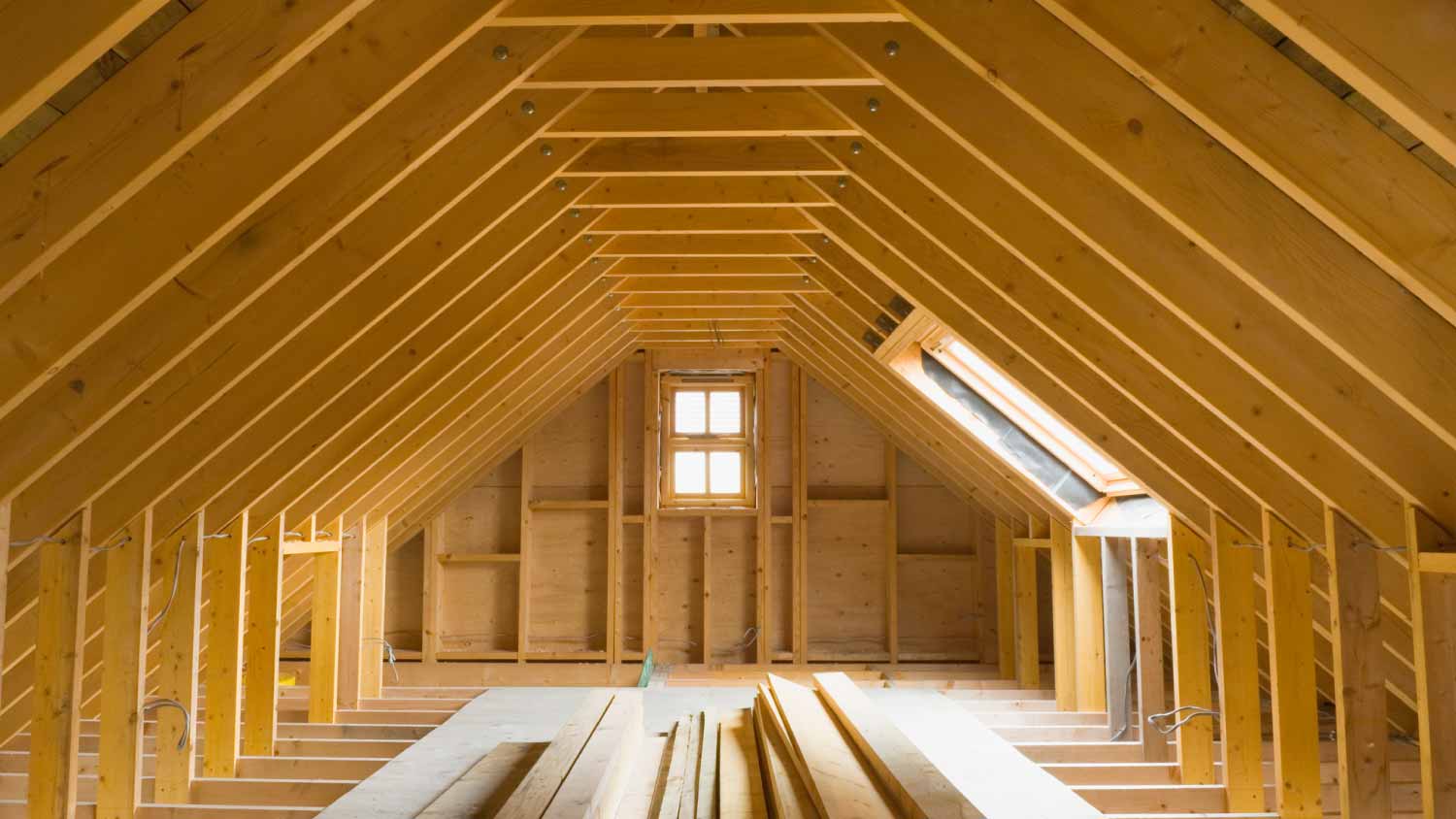
An attic inspection can confirm structural components, insulation, and home systems are all in order. Learn about attic inspection costs and what to know.
Buying a home is expensive, so it can be tempting to cut costs wherever possible. Learn why a home inspection is worth it even though it adds to expenses.
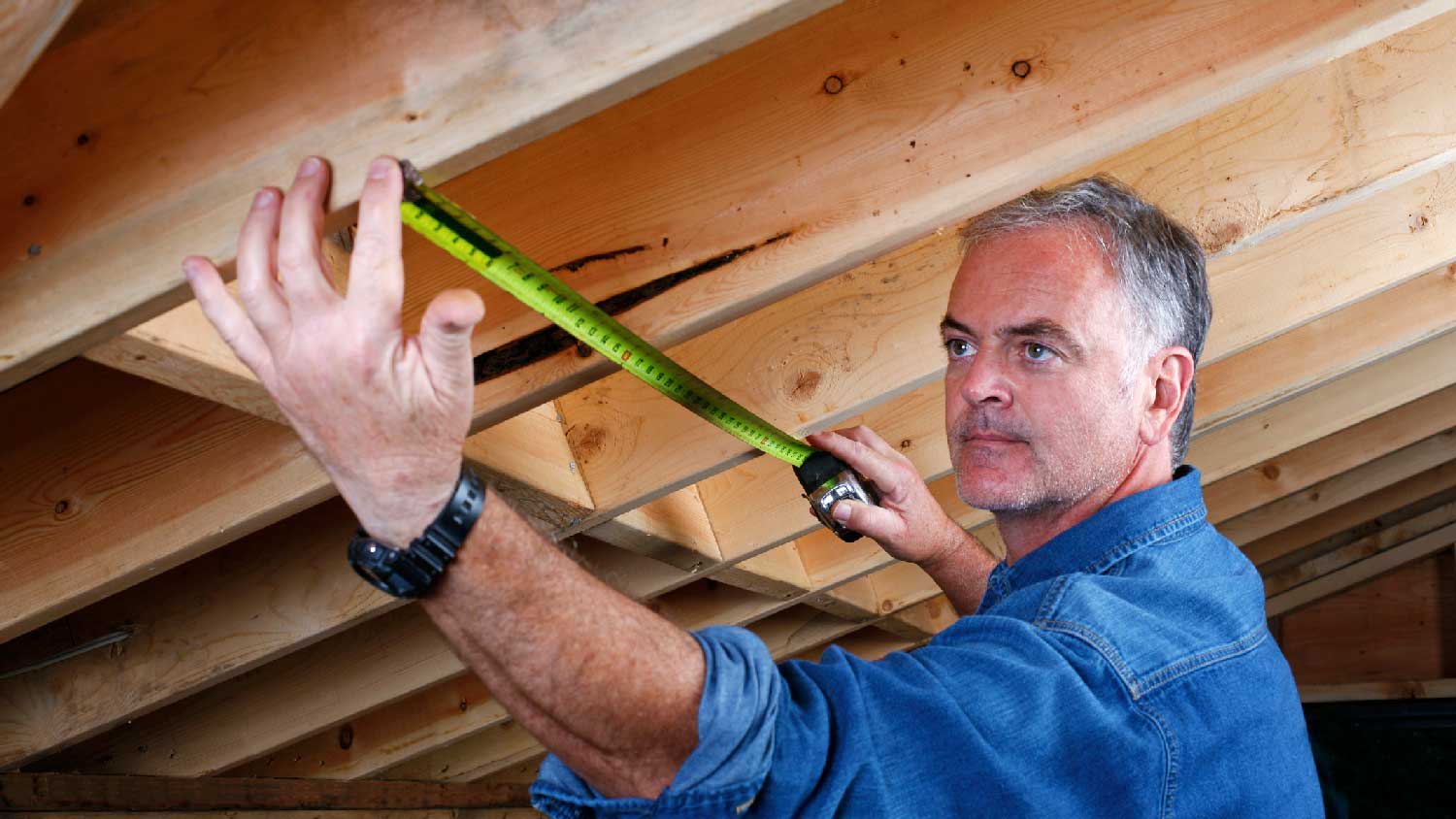
Learn why it might be a good idea to hire a structural engineer for a home inspection in addition to a general home inspector when you’re purchasing a home.

Appraisals and home inspections are crucial parts of the home-buying process. Learn about the key differences between appraisals and inspections.