We take great pride in our experience, expertise, quality, and customer service that we provide to meet the consumer's needs. It is our mission to provide excellent workmanship and complete customer satisfaction from start to completion of a project. In order to understand the needs and expectations of our customers, we take great care to work and communicate with every customer in a professional manner. Our reputation is based on service, safety, and quality, regardless of how large or small the job.
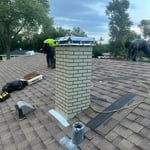
I recently moved from the state of Florida to Indiana in 2024, I've been doing masonry work for a little over 6 years now and the previous work I did before that I was a carpenter for 8 years a roofer for 6 years you can say I am a jack of all trades I love the work that I do and I'm hoping I will have the opportunity to work with some you lovely people of Indiana. I live in the Lafayette area and will to serve its surrounding cities.
We have 15+ years of experience on our staff. We guarantee all of our work to be the finest quality. There is no job too big, or too small, for us to handle in a very timely manner.
We pride our company on reliability, great communication, integrity, and quality work. We are experts in our trade and will do our best to keep you as educated as we can on your particular task or project. We look forward to earning your business! Book with us online or feel free to give us a call today!
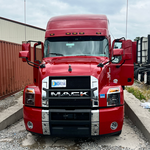
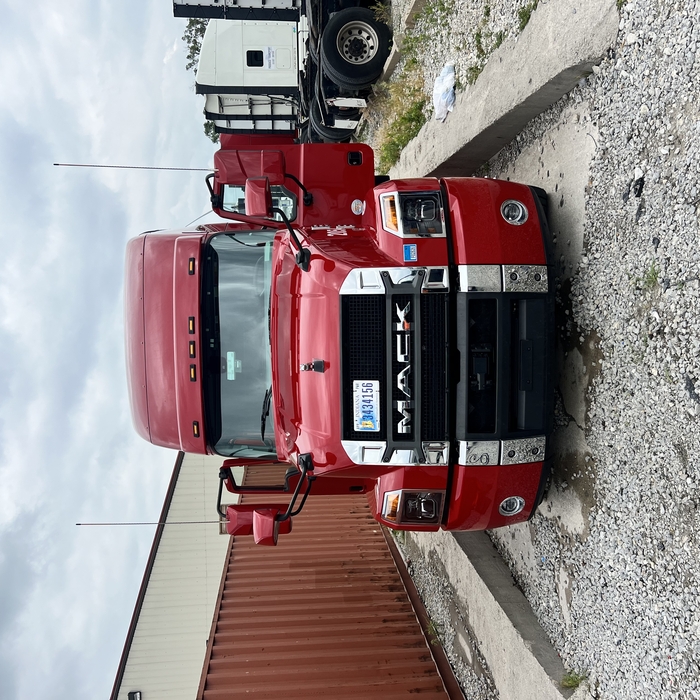
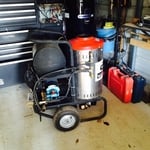
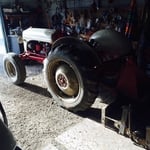
Veteran Owned and Operated small local business. We offer driveway pressure washer cleaning, dumpster pad cleaning and specialize in Fleet washes. We do not clean homes, roofs, or painted surfaces that can be easily damaged. We offer a true green experience from start to finish from our environmentally friendly cleaning to helping keep green in your pockets!\n\nGive Your Equipment The Look It Deserves\nHoosier Filth Force prides itself on offering agricultural equipment cleaning. It is important to maintain a clean tractor to keep it running and to get you through the rest of the season.\n\nOur prices start at $75 per hour and are subject to change based on the needs of your equipment and how dirty it is. Call us today to schedule your cleaning.\n\nThe equipment cleaning includes :\nPressure wash equipment\nClean interior panels\nClean headliner\nClean floors\nClean interior \nClean windows\nDegrease\n\n\nFWD tractor: Starting at $450\n4WD tractor: Starting at $650.00\nSprayers: Starting at $550.00\nCombines: Starting at $750\n
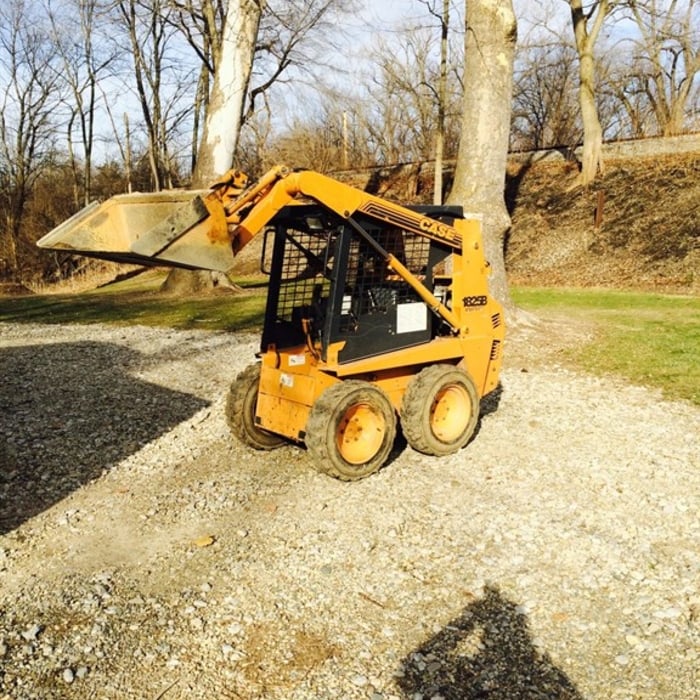
At Edward J and James Pro Services we are a full service Lawn Maintenance company. Offering more than turf service . Ask about our full service buiding maintenance and repair!. We also provide demolition work , back hoe , and skid loader excavating . We are a full service electric specialty provider including well and pump service .We also provide Residential Plumbing Services . Contact at 765-480 3832,or home anytime 574-753-3430 We bill monthly so you do not have to worry about paying after work is done . Statements are provided easy to read. Our staff , Ed and George Will be happy to answer any question . Thanks Ed
Gravel Guerrilla specializes in Curb Appeal. We amplify the experience of rural and suburban living, by providing a beautifully smooth approach to our homes and businesses.
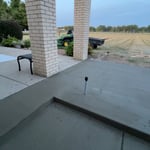
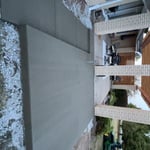
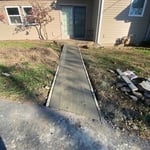
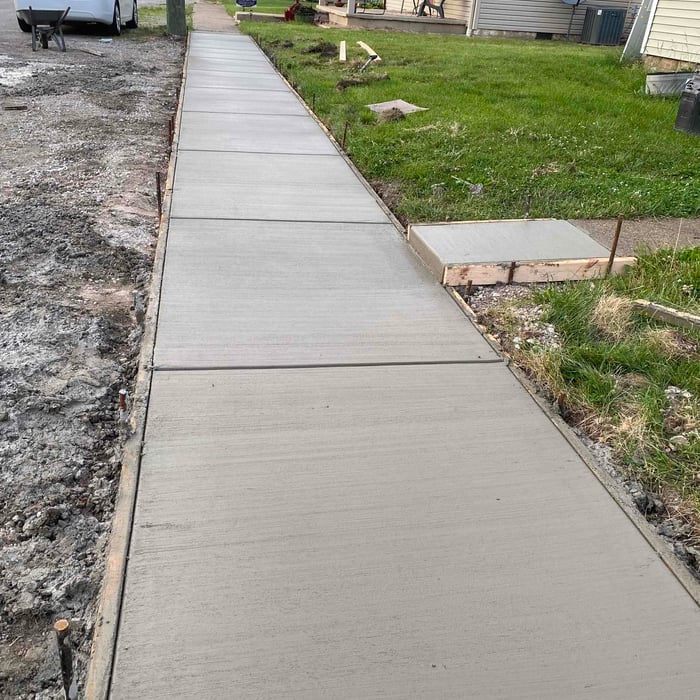
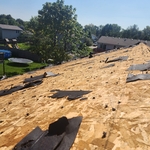
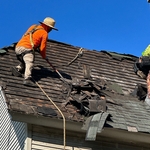
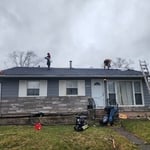
Rebel roofing and renovations Ltd is a family owned and operated business and has 30 years of experience. Our services we offer All roofing, complete roof replacement, shingle roofs , flat roofs , repairs , vinyl siding replacement, soffit fascia replacement, seamless gutter replacement, complete concrete replacement, driveways, sidewalks, patios, stoops, stamped and decorative concrete install. We also can do complete renovations or rehabs.
Asphalt driveways last anywhere from 15 to 30 years, but if you don’t stay on top of repairs, you may find yourself spending extra to replace your driveway before its typical lifespan. Stay on top of repairing cracks and potholes by routinely inspecting your driveway once or twice a year. It’s a good idea to pressure wash your asphalt driveway at least once a year to keep it clean. Apply a sealer every one to five years, based on your climate.
Many asphalt companies have experience with tar and chip paving, but not all. The process is unique enough—and not incredibly common enough—that you may have to look around for a tar and chip specialist. However, speaking with a driveway company is a great place to start, especially if they have experience with multiple materials.
With proper maintenance, asphalt milling driveways can last 30 years or more. Over time, you’ll need to regularly sealcoat your driveway. You should also have your driveway inspected every few years and make any repairs as soon as they are necessary; this will prolong the lifespan of your driveway.
Regular sealing, crack filling, and professional inspections help extend pavement lifespan and prevent costly repairs.
The cost to replace a driveway ranges from $8 to $15 per square foot, depending on factors that include material, size, and labor. If your driveway has deep cracks, potholes, or drainage issues (or if it’s simply past its prime), replacement might be the smarter investment over constant repairs. Resurfacing can be a cheaper alternative at $3 to $20 per square foot, but it won’t fix your driveway’s underlying problems.
The Goodland, IN homeowners’ guide to asphalt driveway services
From average costs to expert advice, get all the answers you need to get your job done.
Adding a new asphalt driveway to your home can boost its overall appearance and give homeowners a nice ROI down the line. But how long do asphalt driveways last, and what can you do to maximize their lifespans? Read this guide to find out.