








Top-rated asphalt driveway pros.

Best asphalt driveway pros near Kentland, IN

Enter your zip and get matched with up to 5 pros

Need a pro for your asphalt driveway service project in Kentland, IN?

Select your specific project to find the pro for you.

Top-Rated Asphalt driveway pros in Kentland - Updated Nov 2026

Avatar for Adam Lerma
Adam Lerma
New to Angi
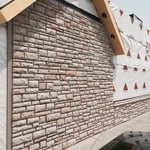
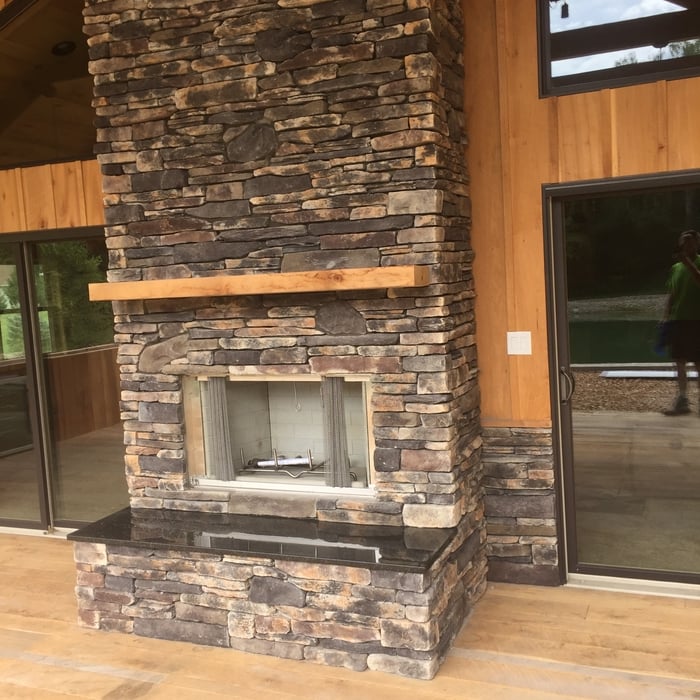
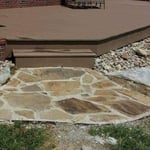
Brick and Stone Driveways & Floors - Install

Serving Kentland, IN and surrounding areas

Approved

Free estimates

Emergency services offered

Warranties offered

I recently moved from the state of Florida to Indiana in 2024, I've been doing masonry work for a little over 6 years now and the previous work I did before that I was a carpenter for 8 years a roofer for 6 years you can say I am a jack of all trades I love the work that I do and I'm hoping I will have the opportunity to work with some you lovely people of Indiana and Illinois. I live in the west Indiana and will to serve its surrounding cities.
Showing 1-10 of 49
Asphalt Driveways FAQs, answered by experts

To maintain their strength, asphalt driveways and parking lots need to be sealcoated once every two to five years. You may also need to reapply paint striping every few years as it fades to ensure drivers can safely navigate the parking lot.

Common alternatives to a gravel driveway include concrete, asphalt, brick, stone pavers, and permeable pavers. Concrete and asphalt are generally the most affordable options. However, concrete can be prone to cracking in cold climates, while asphalt may soften in areas with high heat and direct sun exposure. For enhanced curb appeal, brick, stone, and permeable pavers are popular choices, though their installation can be more expensive due to intricate designs. Stone pavers offer a natural look and are sometimes installed with gravel around them. Both permeable pavers and brick driveways provide excellent drainage, which helps prevent flooding and reduce water runoff.

New asphalt goes through two stages: drying and curing. Drying typically takes 24 to 72 hours, after which the surface is solid enough for light use like walking or careful driving. While you may be able to park on it after 72 hours, the surface is still soft and should be treated gently. Full curing is a much longer process, taking anywhere from 30 days to a full year for the asphalt to reach maximum strength. During this extended curing period, the asphalt is susceptible to damage from heavy vehicles, sharp objects, and high temperatures. Factors like weather, the specific asphalt mix, and application thickness all influence drying and curing times. For the most accurate timeline and to ensure the longevity of your new asphalt, it is always best to consult with your installation contractor for their specific recommendations.

Wet cutting is usually the preferred method. It controls dust, which helps protect your lungs and makes for a cleaner working environment. Plus, the water cools the blade, preventing overheating and prolonging its life while providing smoother, more precise cuts. The downside is the mess—water and asphalt sludge can be messy to clean. Dry cutting, though convenient if water isn’t available, creates a lot of dust, which can be harmful. This also increases the risk of blade damage due to overheating. So, if you have the option, wet cutting is the better method for most asphalt jobs.

An ideal driveway gradient is between 2% and 5%. Anything lower than 1% or higher than 15% can cause problems for your car or property. A driveway with less than a 1% slope increases your likelihood of flooding and water damage, while a driveway with a 15% grade or higher can be too steep for safe traveling.

The Kentland, IN homeowners’ guide to asphalt driveway services

From average costs to expert advice, get all the answers you need to get your job done.