







Top-rated asphalt driveway pros.

Get matched with top asphalt driveway pros in Brook, IN

Enter your zip and get matched with up to 5 pros

Need a pro for your asphalt driveway service project in Brook, IN?

Select your specific project to find the pro for you.

Find Asphalt driveway pros in Brook

Avatar for Countryside
Countryside
5.0(
5
)

Serving Brook, IN and surrounding areas

In business since 2008

Emergency services offered

Credit card accepted

"Wonderful! The guys there were nice and very understanding, Kevin was a great guy he explained what he was going to do and did it! He didn't over charge and did a great job my yard looks great and no more flooded basement!"
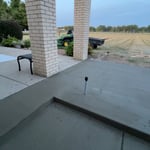
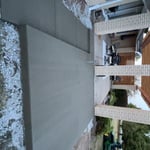
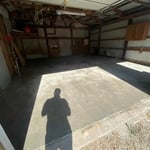
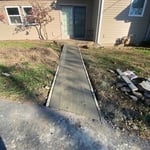
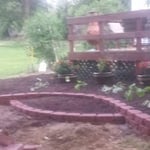
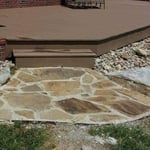
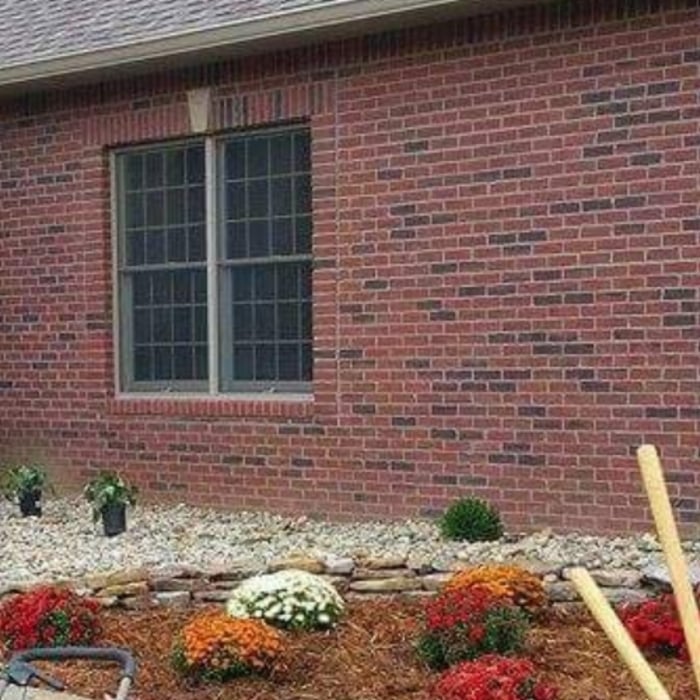
Additional Photos
Additional Photos
Additional Photos
Additional Photos
Additional Photos

+4

Recommended by100%of homeowners
Showing 1-10 of 47
Asphalt Driveways questions, answered by experts

There’s no single best asphalt grade—it all comes down to where and how it’s used. Highways and heavy-traffic roads need something tough, like polymer-modified asphalt (PMA) or Stone Matrix Asphalt (SMA). Local roads and parking lots rely on the Performance Graded (PG) system, chosen based on climate. A PG 64-28 mix, for example, handles a broad temperature range while simpler, more cost-effective mixes are typically enough for residential driveways. The best grade of asphalt depends on traffic, weather, and your budget, which is why a professional’s input is always a smart move before making a decision.

DIY is not recommended due to equipment and expertise requirements. Professional services ensure durability and proper grading.

Wet cutting is usually the preferred method. It controls dust, which helps protect your lungs and makes for a cleaner working environment. Plus, the water cools the blade, preventing overheating and prolonging its life while providing smoother, more precise cuts. The downside is the mess—water and asphalt sludge can be messy to clean. Dry cutting, though convenient if water isn’t available, creates a lot of dust, which can be harmful. This also increases the risk of blade damage due to overheating. So, if you have the option, wet cutting is the better method for most asphalt jobs.

New asphalt goes through two stages: drying and curing. Drying typically takes 24 to 72 hours, after which the surface is solid enough for light use like walking or careful driving. While you may be able to park on it after 72 hours, the surface is still soft and should be treated gently. Full curing is a much longer process, taking anywhere from 30 days to a full year for the asphalt to reach maximum strength. During this extended curing period, the asphalt is susceptible to damage from heavy vehicles, sharp objects, and high temperatures. Factors like weather, the specific asphalt mix, and application thickness all influence drying and curing times. For the most accurate timeline and to ensure the longevity of your new asphalt, it is always best to consult with your installation contractor for their specific recommendations.
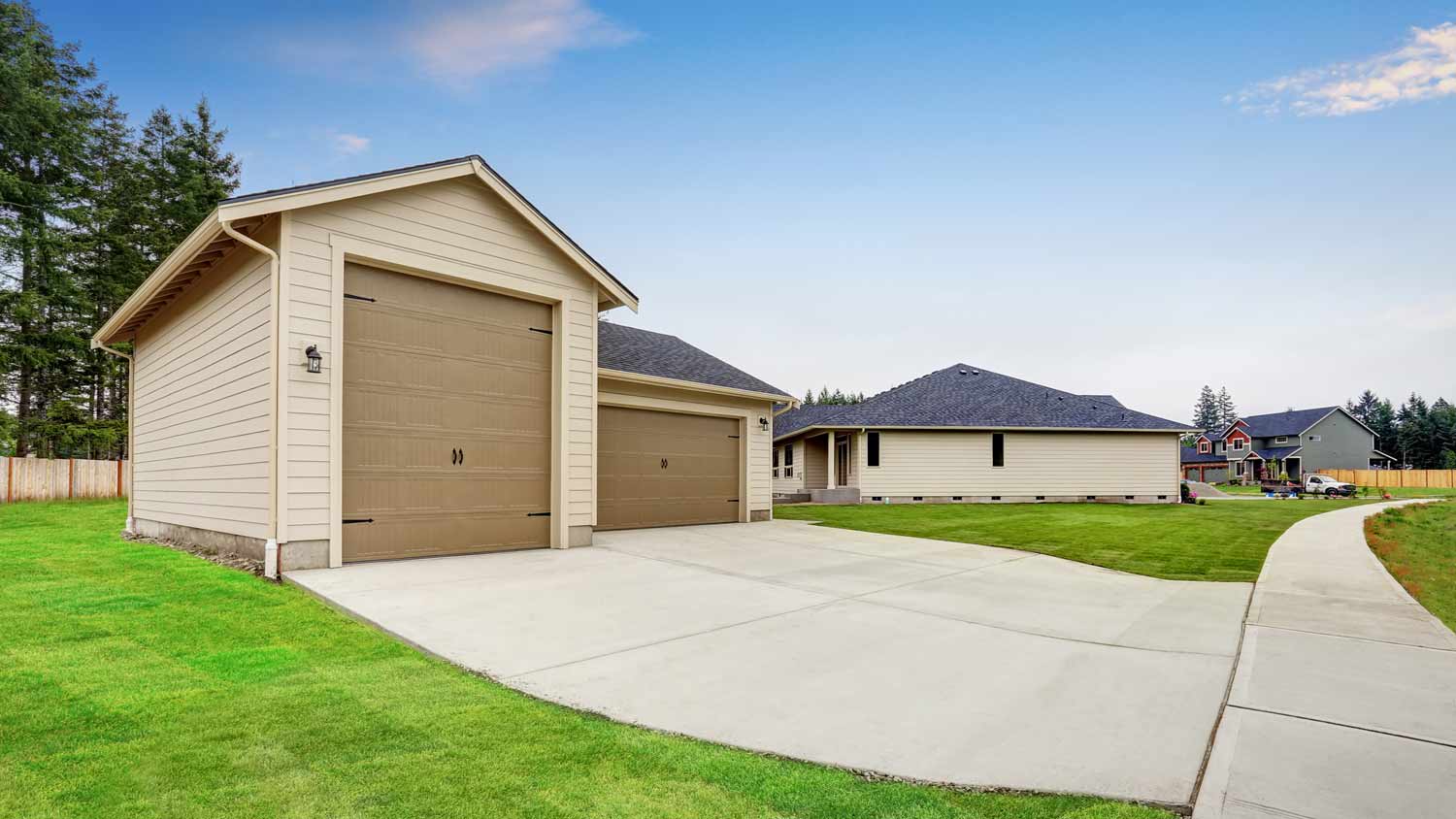
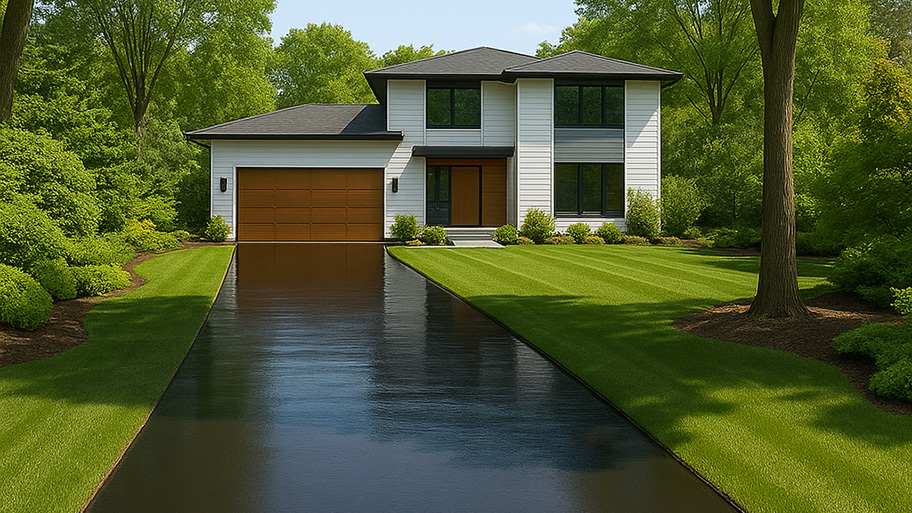
If you notice minor cosmetic problems with your driveway, you should seal it. Look out for cracks and holes on the surface, faded asphalt or concrete, and stains from oil and other chemicals. Replacing your driveway may be necessary if you’re dealing with significant problems—¼-inch cracks, large potholes, and puddles from drainage issues. The cost to install an asphalt driveway typically ranges between $4,200 and $9,000, significantly more than resealing. Consider talking to a professional to discuss whether resurfacing your driveway—a midway project between resealing and replacing—is a better option for you.

The Brook, IN homeowners’ guide to asphalt driveway services

From average costs to expert advice, get all the answers you need to get your job done.