



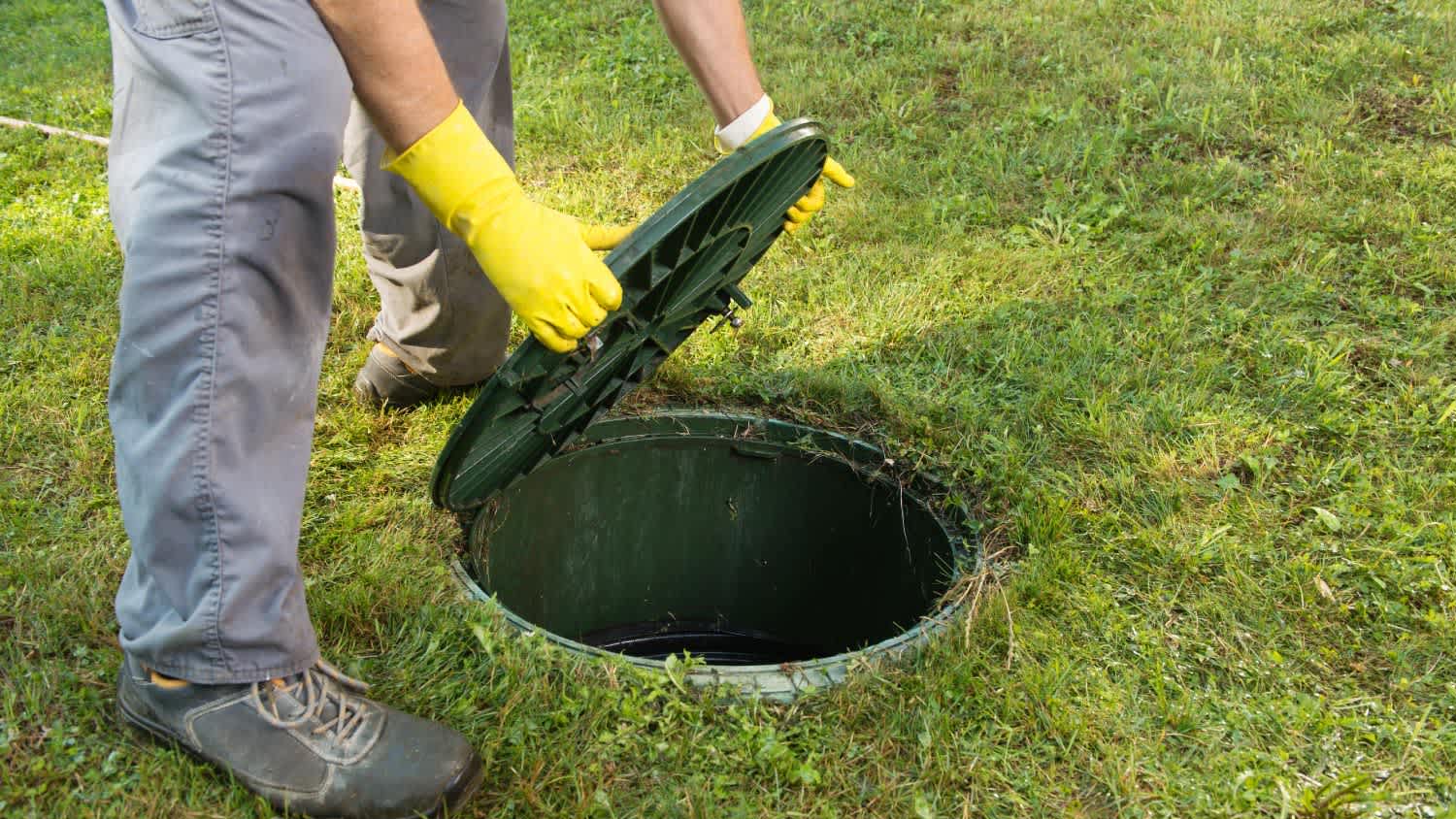
Top-rated percolation testing pros.

Get matched with top percolation testing pros in Freedom, IN

Enter your zip and get matched with up to 5 pros

Need a pro for your percolation testing project in Freedom, IN?

Select your specific project to find the pro for you.

TRUSTED BY FREEDOM, IN HOMEOWNERS

  • Average homeowner rating star icon4.6
    Average homeowner rating
  • Verified reviews icon92
    Verified percolation testing services reviews

Find Percolation testing pros in Freedom

No results for Percolation testing pro in

Try adjusting your search criteria.
Percolation Tests questions, answered by experts

Asbestos-containing materials are not easily affected by water and do not disintegrate or dissolve when exposed to it. However, porous materials can deteriorate due to water exposure, leading to the release of asbestos fibers into the air. The settling of asbestos fibers can also occur as water makes them heavy, which reduces the risk of airborne exposure, though future disturbance of the materials could cause risk. Wetting asbestos-containing materials does not constitute safe removal, and the proper handling and disposal of asbestos materials should be left to professionals.

The microscopic asbestos fibers do not cause eye irritation, throat irritation, or lung irritation. If you are inhaling fibers, you will not know it. This lack of immediate symptoms is one of the reasons why asbestos is so dangerous. You cannot know for certain if you are inhaling fibers, which is why you must wear safety gear if you could have any chance of an exposure while working.

Vermiculite insulation that comes from a particular mine before 1990 is likely to contain asbestos. This is particularly true in the U.S. However, not all types of vermiculite insulation contain asbestos. Since you can't detect the presence of asbestos without special equipment, it's best to assume that the insulation contains the dangerous mineral and to either leave it alone or hire a professional to handle it.

There are products that still contain asbestos, but they were typically installed decades ago. Common places where you may still find asbestos-containing materials are in siding, wrapped around ductwork, in older appliances (i.e., stove and gravity furnaces), and in floors. Asbestos was primarily used as an insulator, so anywhere in an older home where you lose heat is where you will most likely find asbestos.

Asbestos is a carcinogen, meaning it increases the risk of cancer. Inhaling asbestos fibers is linked to several respiratory issues, including asbestosis, or scarring on the lungs, lung cancer, and mesothelioma, another type of cancer. There's also a link between asbestos exposure and an increased risk of colon cancer and other cancers of the digestive system.

Usually, the people most at risk for disease related to asbestos exposure are those who spend a lot of time working around the material without protection. Electricians who work with asbestos wire have a higher risk of developing mesothelioma or lung cancer due to their exposure.

The Freedom, IN homeowners’ guide to percolation testing services

From average costs to expert advice, get all the answers you need to get your job done.