It can be safe to live in a house with asbestos as long as the asbestos-containing materials are intact, in good condition, and not disturbed. Asbestos becomes dangerous only when its fibers are released into the air, which happens if the material is damaged, crumbling, or disturbed during renovation work. If you suspect asbestos is present, do not disturb it. Instead of removal, materials in good condition can sometimes be encapsulated. It is recommended to have regular professional inspections to monitor the condition of the asbestos and prevent health risks from potential exposure.
The microscopic asbestos fibers do not cause eye irritation, throat irritation, or lung irritation. If you are inhaling fibers, you will not know it. This lack of immediate symptoms is one of the reasons why asbestos is so dangerous. You cannot know for certain if you are inhaling fibers, which is why you must wear safety gear if you could have any chance of an exposure while working.
Common areas include insulation, flooring, ceilings, and siding in older buildings. Professionals identify potential risks.
No, not all popcorn ceilings have asbestos, but a vast majority do. The Environmental Protection Agency (EPA) banned its use in 1973, although it still may have been used up through the early ‘90s. But, in general, homes built or remodeled before the early ‘80s likely utilized materials with asbestos. That being said, a professional test is the only way to determine for sure.
Yes, even a single, one-time exposure to asbestos can be harmful and increase the risk of future illness, including certain diseases and cancers. The level of risk depends on several factors, such as the concentration and intensity of the exposure. A small, brief exposure is less likely to cause significant damage than an exposure to a high concentration of asbestos fibers.
The likelihood of developing severe health issues increases with repeated or prolonged exposure. Individual reactions to asbestos vary; some people may have multiple exposures without harm, while others are more susceptible. Asbestos-related illnesses may not manifest for 10 to 40 years after inhalation.
Due to these risks, it is crucial to take precautions. Personal protective equipment (PPE) may not offer complete protection, as fibers can get through small gaps. The EPA recommends hiring a professional for testing and removal if you suspect the presence of asbestos in your home. If you are concerned about a potential exposure, consult your doctor.
The Frankfort, IN homeowners’ guide to percolation testing services
From average costs to expert advice, get all the answers you need to get your job done.
How much does a septic system cost in Indianapolis? This breakdown covers tank size, add-ons, site prep, labor, and more, so you can budget accordingly.
Find out the average indoor air quality testing cost in Indianapolis, IN. Learn what you can expect to pay for local testing and keep your home's air safe.
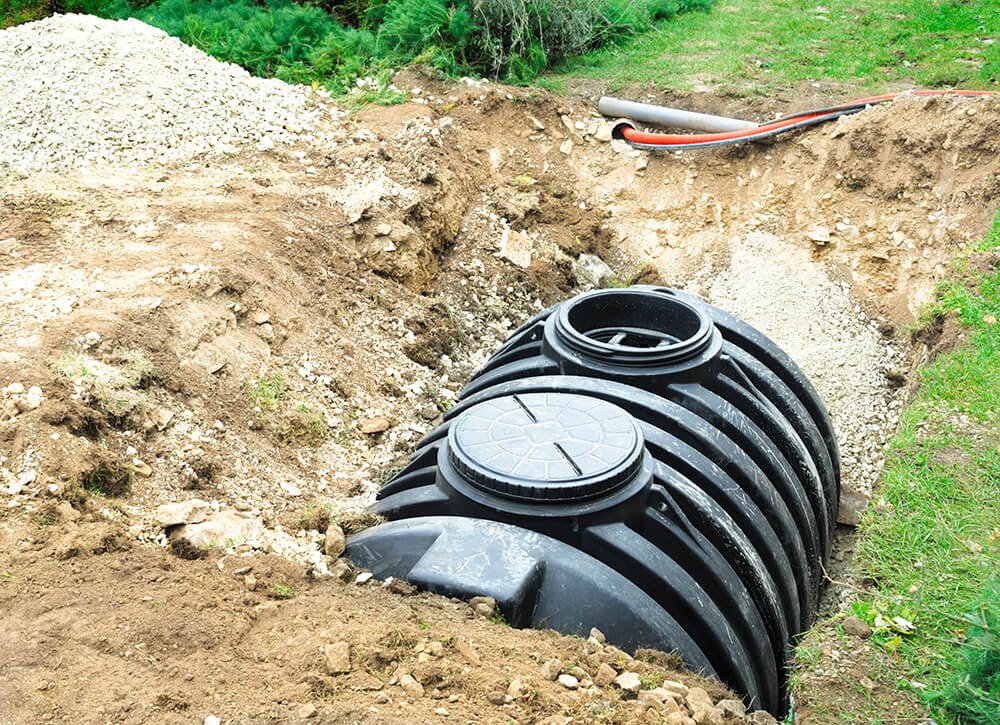
The time it takes to replace a septic tank depends on a few factors. Sometimes the fix is simple, but even if it’s not, here’s how long it takes to replace a septic tank.

 4.5
 71