




Top-rated drywall pros.

Get matched with top drywall pros in Dayton, IN

Enter your zip and get matched with up to 5 pros

Need a pro for your drywall service project in Dayton, IN?

Select your specific project to find the pro for you.

TRUSTED BY DAYTON, IN HOMEOWNERS

  • Average homeowner rating star icon4.2
    Average homeowner rating
  • Verified reviews icon29
    Verified drywall services reviews

Find Drywall pros in Dayton

Avatar for Cramsey Creations LLC
Cramsey Creations LLC
3.7(
43
)

Serving Dayton, IN and surrounding areas

Approved

In business since 2024

Free estimates

Emergency services offered

"Exceptional Service from Cramsey Creations LLC I wanted to share a quick note about the fantastic experience I had with Cramsey Creations LLC. They recently handled a variety of handyman tasks and small projects around my home, and the results were outstanding. They managed everything from electrical and plumbing repairs to the footing of a new shed. Throughout the entire process, they were incredibly professional and knowledgeable. One thing I truly appreciated was how they took the time to explain exactly what was happening and what the next steps would be, which made the whole project feel seamless. I would recommend them 100% and will definitely be hiring them again for future projects!"
2 neighbors recently requested a quote

Recommended by34%of homeowners
JMD Home Services LLC
New to Angi

Serving Dayton, IN and surrounding areas

Approved

Free estimates

Small jobs welcome

Hi there! I have about 9 years of experience with home remodeling, house flips, and currently I am focused more on carpentry (custom closets, interior/exterior trim, etc.) and flooring. I am still open to most home repair needs. I am new to Angi, but feel free to check out some photos of my work in the project photos. I am also willing to share more photos. Feel free to email me at [email protected] or call/text at 3179032308. Thanks!

Full Bathroom Remodel
Custom closet
Custom closet
Response time10 mins
Response rate100%
...
Showing 1-10 of 120
Drywall questions, answered by experts

Yes, a one-story house can have a load-bearing wall. The load-bearing walls in a single-story home are usually the exterior walls. If the house has a basement with exposed walls, the arrangement of the beams can help indicate what walls are load-bearing.

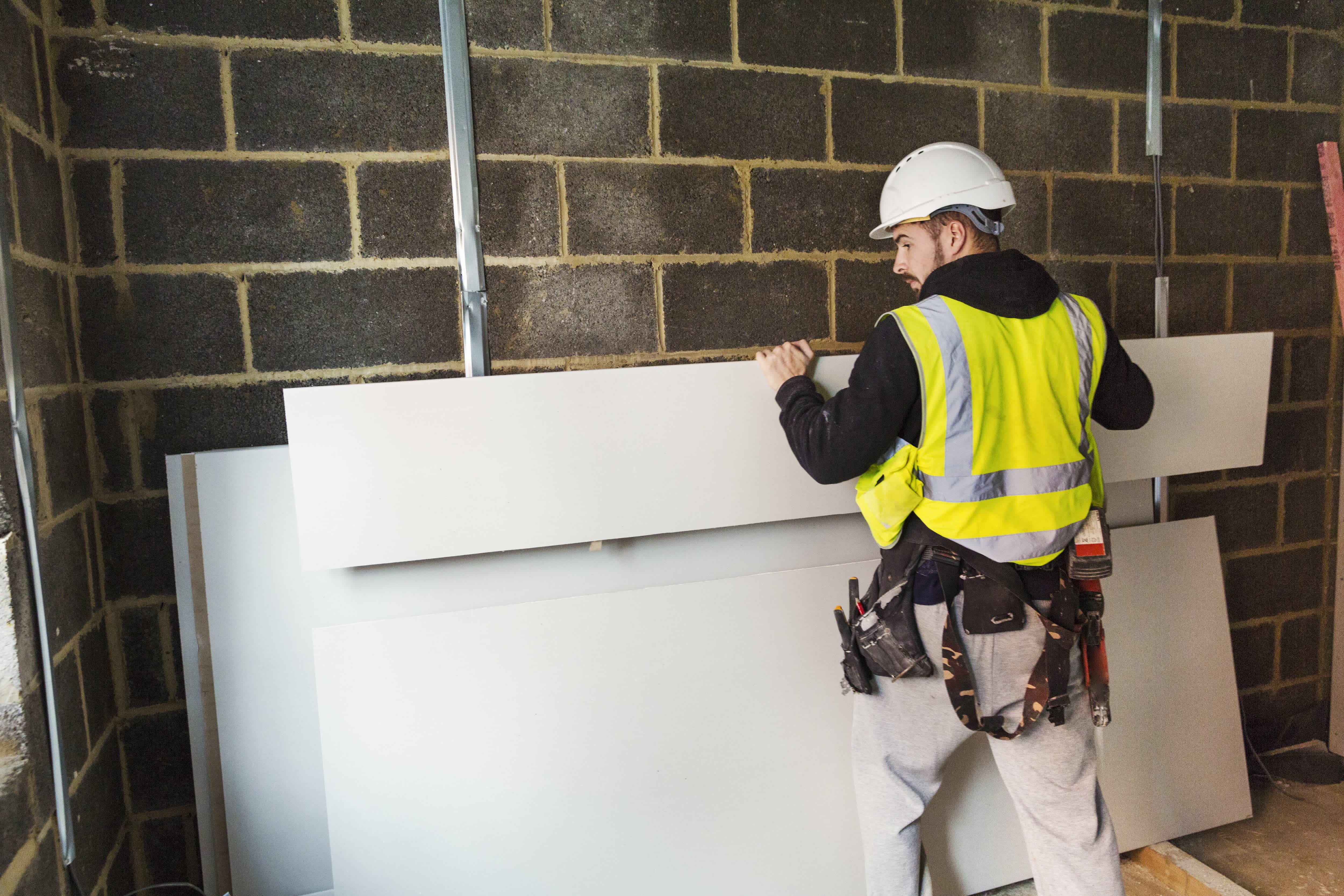
How you hang the drywall can affect the finishing process. It's often easier to finish horizontal drywall panels, as the seams run across the wall rather than up and down. Standard drywall panels are 48 inches wide, so the seam is easy to reach without bending down or stretching your arms.

Choose a drill bit that is the size of the screws of the anchors you will use. You aren’t drilling through metal or concrete—hopefully—so any standard twist, wooden or all-purpose drill bit will work fine. It’s also important to have a screwdriver capable of drilling through the drywall and into the stud. The good news is most available drills, even the older ones, can do this with no issue.

There are six levels of drywall finish, from 0 to 5, that refer to the amount of work performed during the finishing process.

Level 0: Drywall is hung with no finishing work.

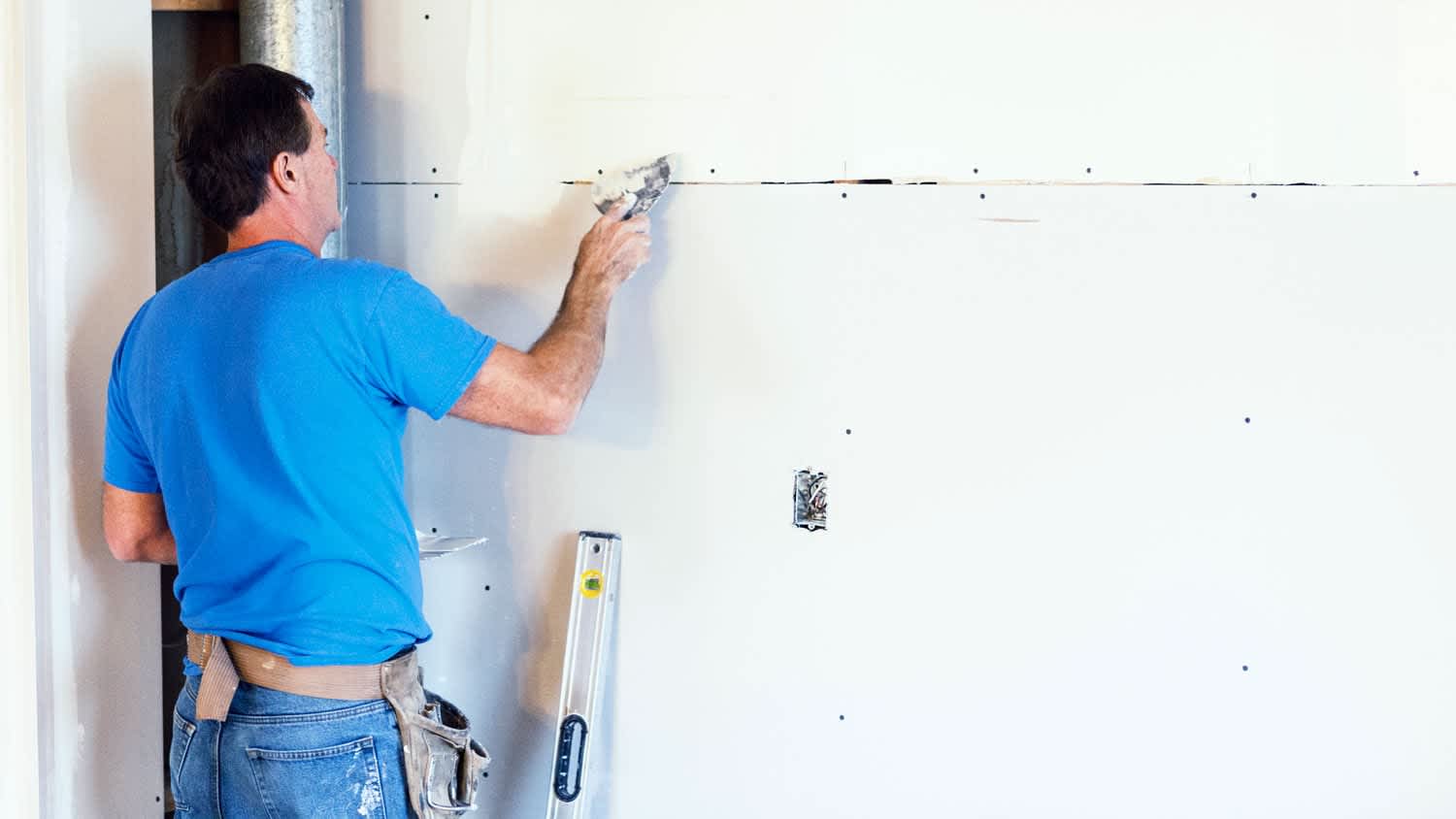
Level 1: Tape is placed over the seams between drywall sheets.

Level 2: A thin layer of mud is applied over the tape and screw holes. This level is common for utility rooms or walls that will be covered.

Level 3: A full coat of mud covers the screw holes and tape, but the surface is not sanded. This is often used in garages.

Level 4: This is the most common finish for visible interior walls. It involves applying two coats of mud over seams and screw holes, with sanding between each coat, creating a smooth surface ready for flat paint.

Level 5: This is a high-end finish for luxury homes. It includes full taping, mudding, and sanding, plus a final skim coat over the entire surface before painting.

Although they have similar applications, spackle and joint compound are not the same. Their primary differences lie in their composition, consistency, and ideal use cases.

Spackle is composed of gypsum and binding agents, making it thicker than joint compound. It dries quickly and is easy to sand, which makes it ideal for small wall repair projects like filling nail holes or patching minor damage.

Joint compound, also known as drywall mud, consists of limestone and gypsum. It is primarily used for large-scale projects, such as taping and finishing the seams on newly installed drywall. It tends to shrink more than spackle and can be more difficult to spread.

While both products can be used to fill small depressions and cracks, spackle cannot replace joint compound for taping and mudding new drywall. Conversely, you can often use joint compound for small patching jobs typically done with spackle.

The Dayton, IN homeowners’ guide to drywall services

From average costs to expert advice, get all the answers you need to get your job done.