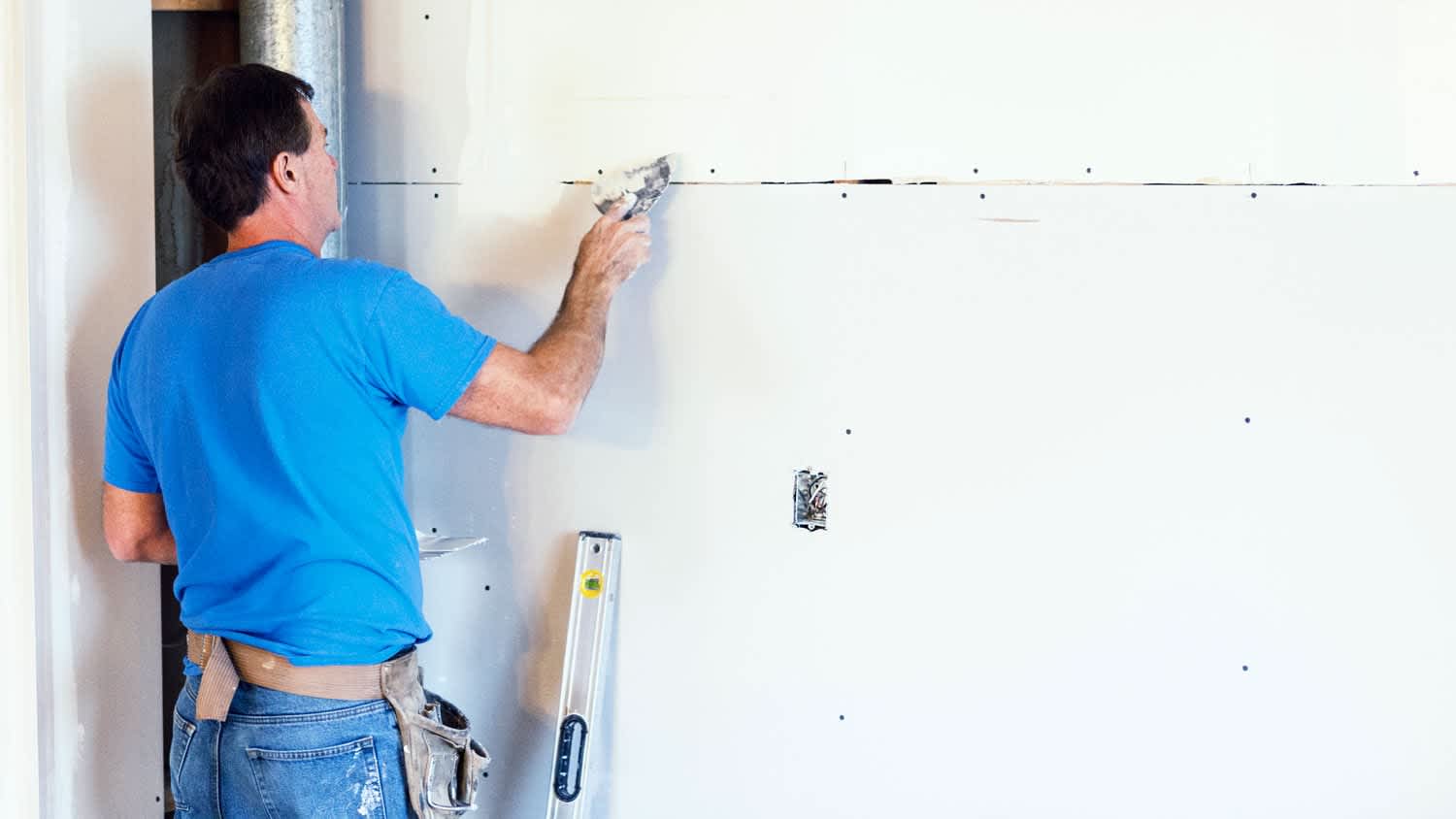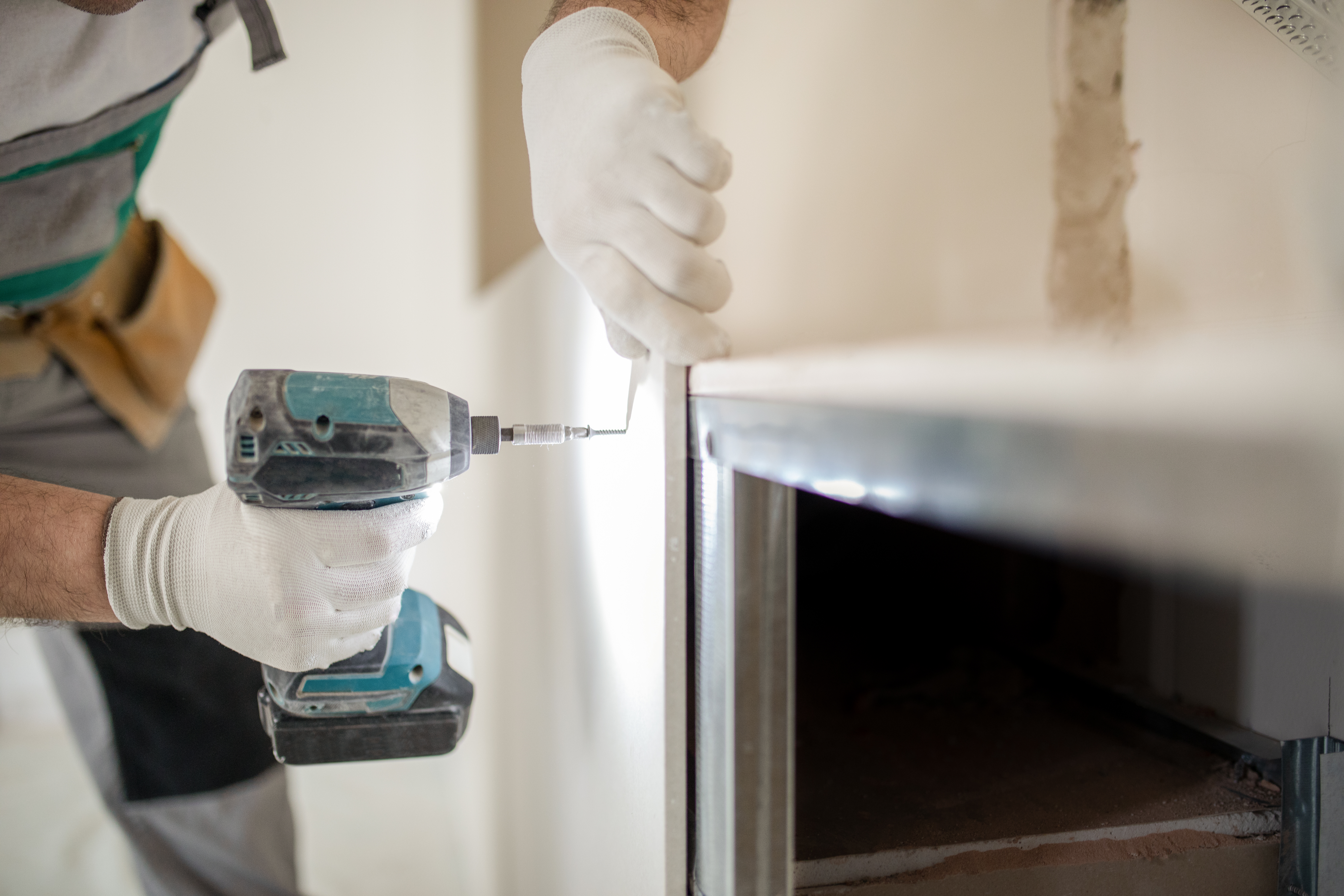






Top-rated drywall pros.

Best drywall pros near Waynetown, IN

Enter your zip and get matched with up to 5 pros

Need a pro for your drywall service project in Waynetown, IN?

Select your specific project to find the pro for you.

Top-Rated Drywall pros in Waynetown - Updated Nov 2026

Avatar for Cramsey Creations LLC
Cramsey Creations LLC
3.7(
45
)
Drywall - RepairDrywall - Repair - For Business

Serving Waynetown, IN and surrounding areas

Approved

In business since 2024

Free estimates

Emergency services offered

"Exceptional Service from Cramsey Creations LLC I wanted to share a quick note about the fantastic experience I had with Cramsey Creations LLC. They recently handled a variety of handyman tasks and small projects around my home, and the results were outstanding. They managed everything from electrical and plumbing repairs to the footing of a new shed. Throughout the entire process, they were incredibly professional and knowledgeable. One thing I truly appreciated was how they took the time to explain exactly what was happening and what the next steps would be, which made the whole project feel seamless. I would recommend them 100% and will definitely be hiring them again for future projects!"
2 neighbors recently requested a quote
Recommended by33%of homeowners
Avatar for ANTHONY'S FORECLOSURE HANDYMAN SOLUTIONS, LLC
ANTHONY'S FORECLOSURE HANDYMAN SOLUTIONS, LLC
4.5(
11
)
Drywall - Repair

Serving Waynetown, IN and surrounding areas

Approved

In business since 2025

Free estimates

Emergency services offered

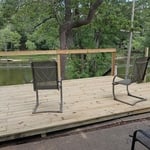
""I couldn?t be happier with the incredible work done on my home! They did an absolute standout job hand-painting the exterior and completely transforming our deck. The hand-painted areas are absolutely flawless?crisp lines, solid coverage, and a beautiful finish that you just can?t get with a rushed spray job. The deck looks brand new again; the prep work was thorough and the final coat looks rich and even. The team was punctual, kept a perfectly clean job site, and stayed transparent about everything from start to finish. If you want meticulous craftsmanship and real professionals who care about the details, look no further!""
Decking
Landscaping
Landscaping
Landscaping
Landscaping

+52

10 neighbors recently requested a quote
...
Showing 1-10 of 154
Drywall FAQs, answered by experts

Although they are used for similar tasks, spackle and joint compound are not the same. Joint compound, also known as drywall mud, consists of limestone and gypsum and is primarily used for large-scale projects like taping and finishing seams on new drywall. Spackle is composed of gypsum and binding agents, making it a thicker compound best suited for small wall repairs like filling nail holes or cracks, as it dries quickly and is easy to sand. For small repairs, either product can be suitable. However, you can use joint compound for small jobs in place of spackle, but you cannot use spackle for large-scale taping and mudding projects.

If the holes in the plaster are small, you can fill them with layers of patching plaster until they’re filled. After it dries, you can sand the plaster and paint over it. If the hole is much larger, consider using bonding plaster first and then a layer of patching plaster, completing the process with sanding and a layer of paint.

There shouldn’t be any gaps between your walls and ceiling. These can be fixed with joint compound but that is only a fix, and it’s much better if your drywall fits correctly in the first place. Sometimes gaps can appear if your foundation shifts significantly but if this is the case, you have a much bigger problem than patching drywall.

You should always hang drywall from the top down. Starting at the top makes it easier to create a straight, tight line between the ceiling and the wall. Any gaps that occur will be at the bottom, where they are easier to manage. You can either cut the bottom piece of drywall to fit the remaining space or cover the gap with baseboard trim. Additionally, starting at the top is physically easier, as you won't have to fit the top sheet into a tight space between the lower sheet and the ceiling, or try to balance the upper sheets on the lower ones while securing them.

You should stagger drywall sheets to help prevent cracking. The joints between drywall sheets are the weak spots, so if you install drywall with seams aligned, you’ll create weak lines that run across the length of the wall and extend from floor to ceiling. But when you stagger drywall, the solid sections of panels will support the joints. This can prevent seams from cracking or separating due to fluctuating temperature and humidity, vibrations from movement inside the home, and gravity.

The Waynetown, IN homeowners’ guide to drywall services

From average costs to expert advice, get all the answers you need to get your job done.