








Top-rated radon detection and reduction specialists.

Get matched with top radon detection and reduction specialists in Cloverdale, IN

Enter your zip and get matched with up to 5 pros

Need a pro for your radon detection and reduction project in Cloverdale, IN?

Select your specific project to find the pro for you.

Find Radon detection and reduction specialists in Cloverdale

Swat Group, Inc.
4.4(
152
)
Radon Gas - Abatement

Serving Cloverdale, IN and surrounding areas

In business since 1988

Free estimates

Credit card accepted

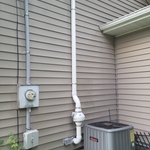
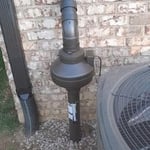
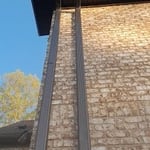
"Hired for the convienience of their timely ability to install a radon system. The vent on the outside of the house is a large diameter, circular chimney that is very unsightly. Prices were a bit higher than other companies, but their ability to install quickly took precedence. In SWATs defense, I did not inform the company of my displeasure as the system was being installed as a condition of sale."
Response time1 day
Recommended by94%of homeowners
Radon Detection and Reduction questions, answered by experts

Your radon fan needs to operate 24/7 to be effective. The only time the fan isn't operating is during its replacement. Radon levels in the home can increase within hours if the fan stops working or something obstructs the stack vent. Fortunately, radon systems require no downtime maintenance between fan changes.

While DIY testing is possible, abatement generally requires professional installation to ensure efficacy and meet safety standards.

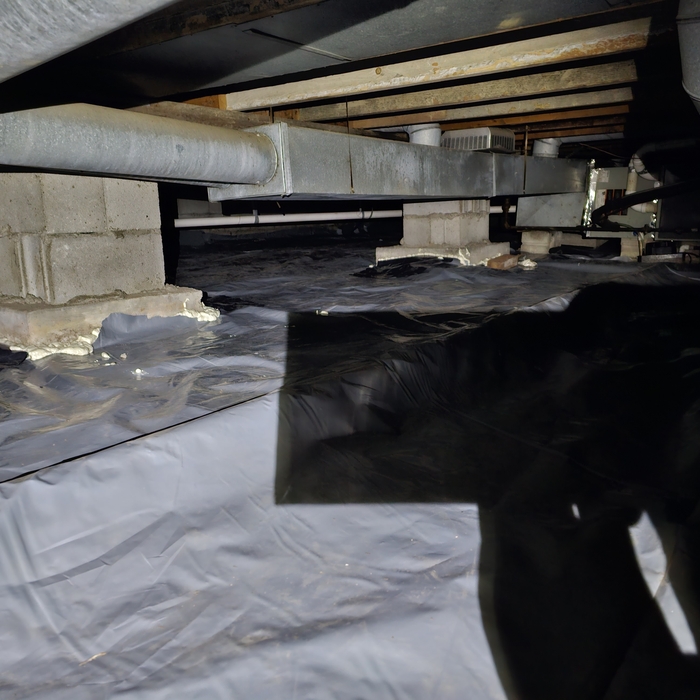
The cost for a radon mitigation system typically ranges from $800 to $1,500, with an average around $1,000. The final price depends on several factors, including the size of your home, the severity of the radon issue, and the type of system required. Your home's foundation type also significantly impacts the cost. For example, sealing and ventilating an unfinished basement might cost around $4,600, while encapsulating a crawl space without a foundation slab can range from $1,500 to $15,000.

Mitigation reduces radon levels, protecting your health and complying with safety standards.

The lifespan of a radon mitigation system depends on the type of system and its maintenance. With proper care, a system can last for many decades. Passive systems tend to last longer as they have fewer components that require replacement. Active systems, which have more moving parts like fans, generally have a shorter lifespan. For instance, water filtration devices and active pressurization systems require more frequent maintenance. While the system as a whole is durable, the radon fan in an active system typically has a lifespan of 5 to 10 years and will need to be replaced. As long as the fan is working, the mitigation system should function correctly.

The Cloverdale, IN homeowners’ guide to radon detection and reduction services

From average costs to expert advice, get all the answers you need to get your job done.