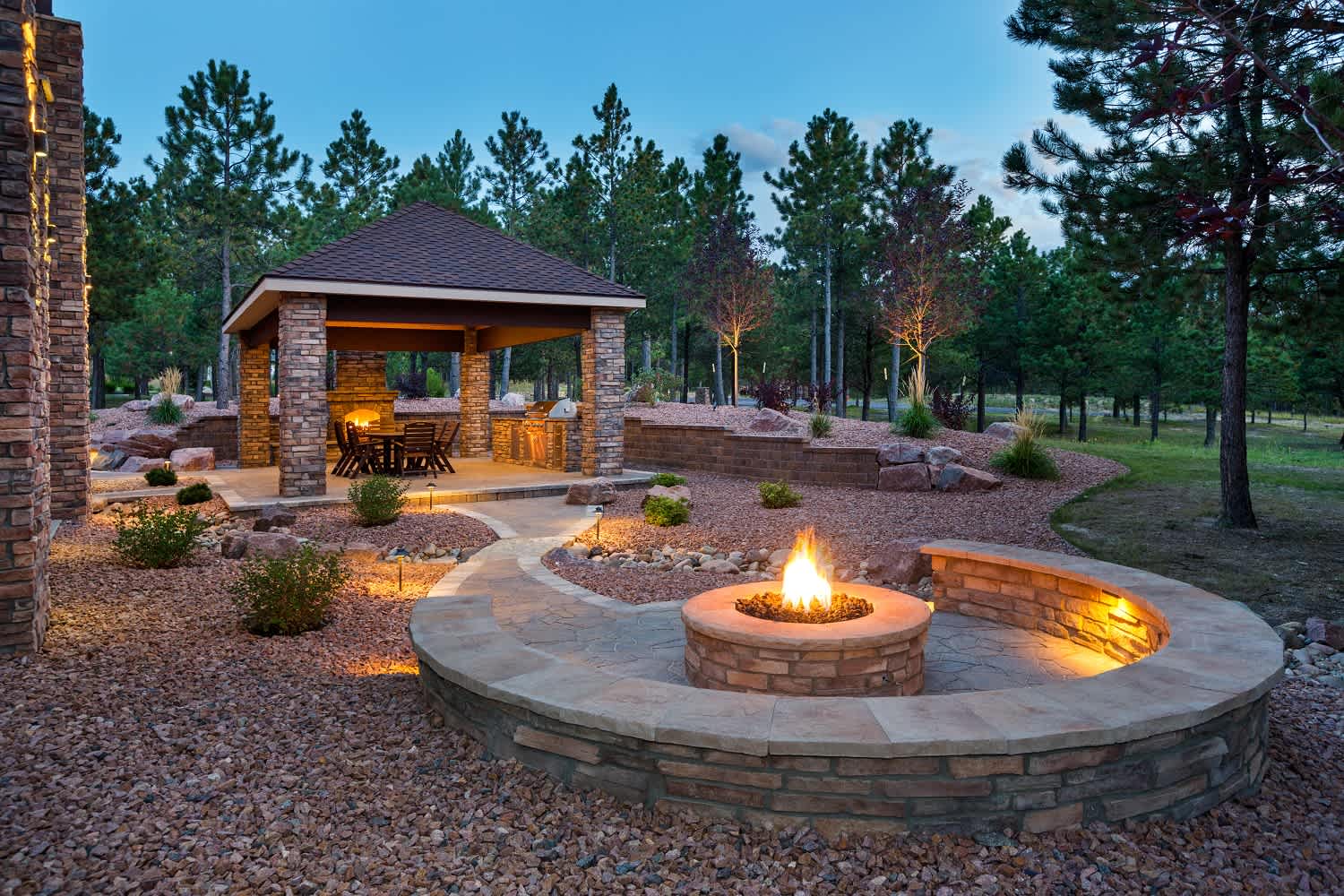






Top-rated fire pit installation pros.

Get matched with top fire pit installation pros in Austin, IN

Enter your zip and get matched with up to 5 pros

Need a pro for your fire pit installation project in Austin, IN?

Select your specific project to find the pro for you.

TRUSTED BY AUSTIN, IN HOMEOWNERS

  • Average homeowner rating star icon4.5
    Average homeowner rating
  • Verified reviews icon34
    Verified fire pit installation services reviews

Find Fire pit installation pros in Austin

No results for Fire pit installation pro in

Try adjusting your search criteria.
Fire Pit Installation questions, answered by experts

The NFPA model codes and International Residential Code (IRC) mandate that all new one- and two-family homes have fire sprinkler systems. However, all municipalities are different. The best way to determine if your municipality requires fire sprinklers is to contact your state fire marshal’s office. One reason to install a fire sprinkler system is that it’s the first line of defense in putting out a fire and alerting your family of emergencies.

A spark arrestor is a simple metal mesh device that prevents flammable particles from escaping from a combustion source and causing a fire. You typically find these attached to gas or diesel engines on things like cars, generators, and garden tools (lawnmowers, chainsaws, etc.). Fireplace or wood-burning stove chimneys also have spark arrestors attached to or sitting under the chimney cap to capture burning embers.

While your forced heating system runs, it can pick up dirt, dust, hair, and other particles from inside your house. Changing your furnace filters regularly is key to preventing this debris from getting stuck in your ducts and swirling around your home. With some types of furnaces, there’s also the potential for carbon monoxide leaks. However, staying up-to-date with your HVAC inspections and installing carbon monoxide sensors can help mitigate this risk.

In addition to flashing, a roof cricket can help divert water around your chimney so that it drains properly off your roof. It’s shaped like a double triangle and is installed behind the chimney so that falling water spills evenly down each side. This helps prevent water from accumulating behind your chimney, which can increase water damage and the risk of leaks. 

The International Building Code (IBC) requires cricket installation if a chimney built after 2012 measures over 30 inches in width. Chimneys constructed before that date are typically grandfathered in and aren’t required to have crickets installed.

No, it is not safe to leave a propane heater on overnight. Even if you’re using the heater in a well-ventilated space, the heaters can emit carbon monoxide that can lead to fires. Be sure to fully turn off and secure the propane heater before clearing the area. 

The Austin, IN homeowners’ guide to fire pit installation services

From average costs to expert advice, get all the answers you need to get your job done.