




Top-rated pressure washers.

Get matched with top pressure washers in Viola, IL

Enter your zip and get matched with up to 5 pros

Need a pro for your pressure washing project in Viola, IL?

Select your specific project to find the pro for you.

Find Pressure washers in Viola

Avatar for Christian's Pressure Washing
Christian's Pressure Washing
4.8(
43
)
Exterior Surfaces - Powerwashing - For Business

Serving Viola, IL and surrounding areas

In business since 2010

Free estimates

"He made his estimate to pressure wash my house via Google maps street view, so he had an accurate picture of the size & style of my house. I believe that allows him to offer a better cost estimate to the customer. His work was good & he did the job I was seeking. He does gutters, too."
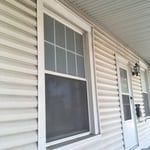
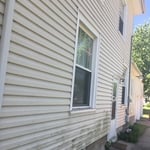
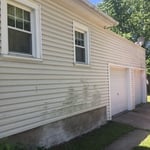
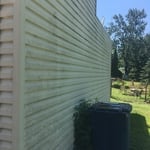
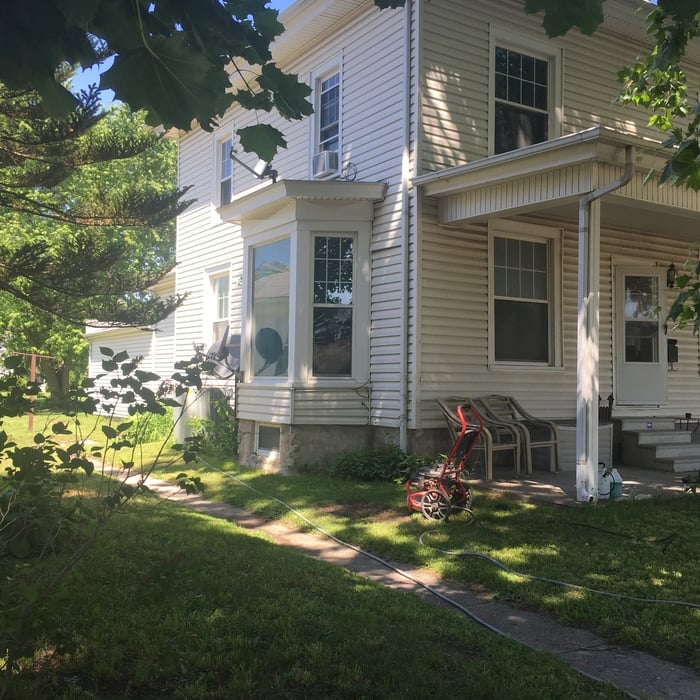
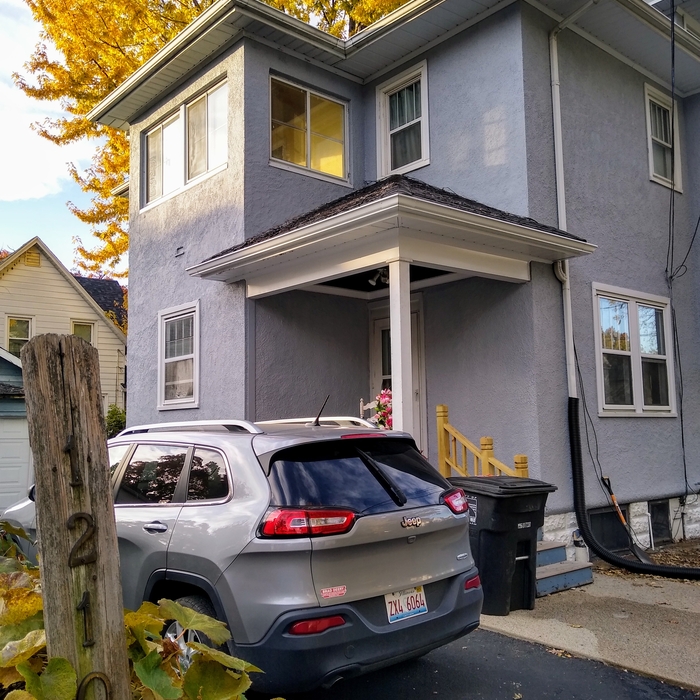
House washing
House washing
House washing
House washing
House washing

+14

Response time7 hrs
Recommended by97%of homeowners

Showing 1-10 of 46
Pressure Washing questions, answered by experts

Brick takes longer to dry than less porous materials like concrete. If you are waiting to spot clean, a full day of mild weather should do the trick. If you are waiting to paint or apply a finish or sealant, give it three to four days to ensure the brick is absolutely dry as a bone. You don’t want any residual moisture whatsoever before laying down paint or sealant. 

A pressure washer’s size or power is measured in pounds per square inch (PSI). The amount of pressure you need will depend on your project and the material you’re washing, but consumer pressure washers range from 500 to 2,400 PSI. Porous materials like brick and stucco should not be blasted with anything stronger than 1,000 PSI, while you can use a PSI of up to 2,400 to clean a vinyl fence.

Yes, you can pressure wash epoxy floors, but you must take precautions to avoid damaging the surface. While most epoxy floors can be cleaned with a mop, you might choose to pressure wash if the floor is stained, has ground-in dirt, or is covered with mold or mildew. To do so safely, first soak any stains or dirty areas with a gentle cleanser. Use a lower pressure setting with a gentle nozzle, such as a green, white, or black tip, or a 45-degree angled tip. Keep the spray nozzle at least 18 inches away from the floor to protect the surface. Using a surface cleaner attachment or a rotary scrubber can also help prevent overspray. Be cautious if using a power washer that heats the water, as the combination of heat and pressure may be too powerful and could damage the epoxy coating.

While power washing isn't a requirement before you stain a fence, it can make the job much easier and faster while reducing manual labor requirements. The stain will not work if the wood is full of dirt and dust, so power washing, sometimes called pressure washing, is a fast and effective way to prepare the wood for staining. Remember that you need to stain or repaint relatively soon after the wood has dried so that there isn’t time for dust and dirt to build up again. 

Yes, you can safely pressure wash vinyl siding. As a durable material, vinyl can typically withstand pressure up to 3,000 PSI, holding up better than other siding types like aluminum or stucco. However, it's crucial to operate the pressure washer correctly to avoid damage. Before you begin, repair any existing cracks or damage to the siding. For a safe setup, use a 15- or 25-degree nozzle and maintain a distance of at least three feet from the siding to prevent splashback and damage.

The Viola, IL homeowners’ guide to pressure washing services

From average costs to expert advice, get all the answers you need to get your job done.