
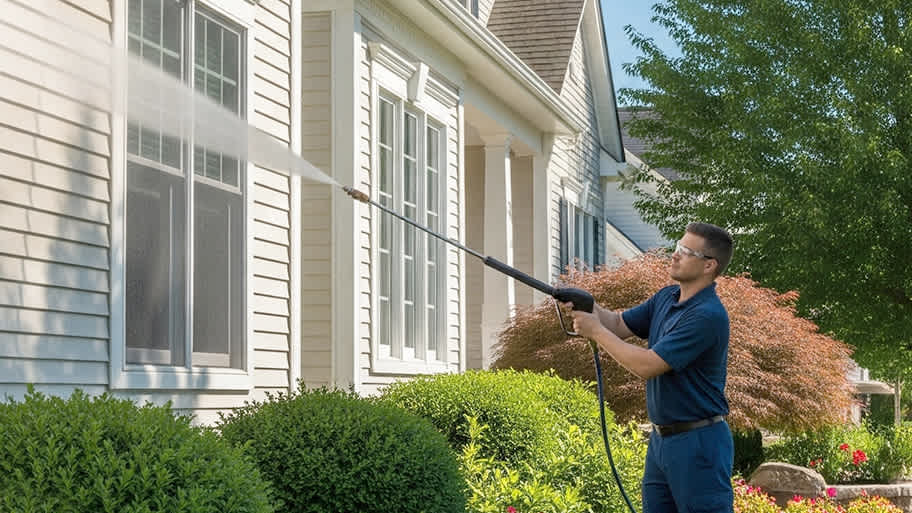
Need to breathe new life into your dirty siding and trim? Explore the cost to pressure wash a house to boost your curb appeal instantly.
It’s time to put pressure on those dirty decks

Pressure washing uses a stream of highly pressurized water to blast away dirt, grime, and debris from your home's hard surfaces without heating the water.
Electric pressure washers cost $100 to $200, while gas models run around $500, plus $20 to $80 per gallon for eco-friendly cleaning solution.
Your pressure washer works best on cement, vinyl, or aluminum siding, concrete driveways, and unstained natural wood decks when you need deep cleaning power.
Hiring a local power washing professional removes the guesswork from safely cleaning your surfaces and helps you avoid damage from incorrect pressure settings or technique.
When it comes to washing, water’s good, but water under pressure? Even better. Pressure washing uses a highly pressurized (but unheated) spray of water to blast tough messes off surfaces, including everything from dirt to old paint. Keep reading to explore the best uses of this impressive (pun intended) cleaning method and how it differs from power washing.
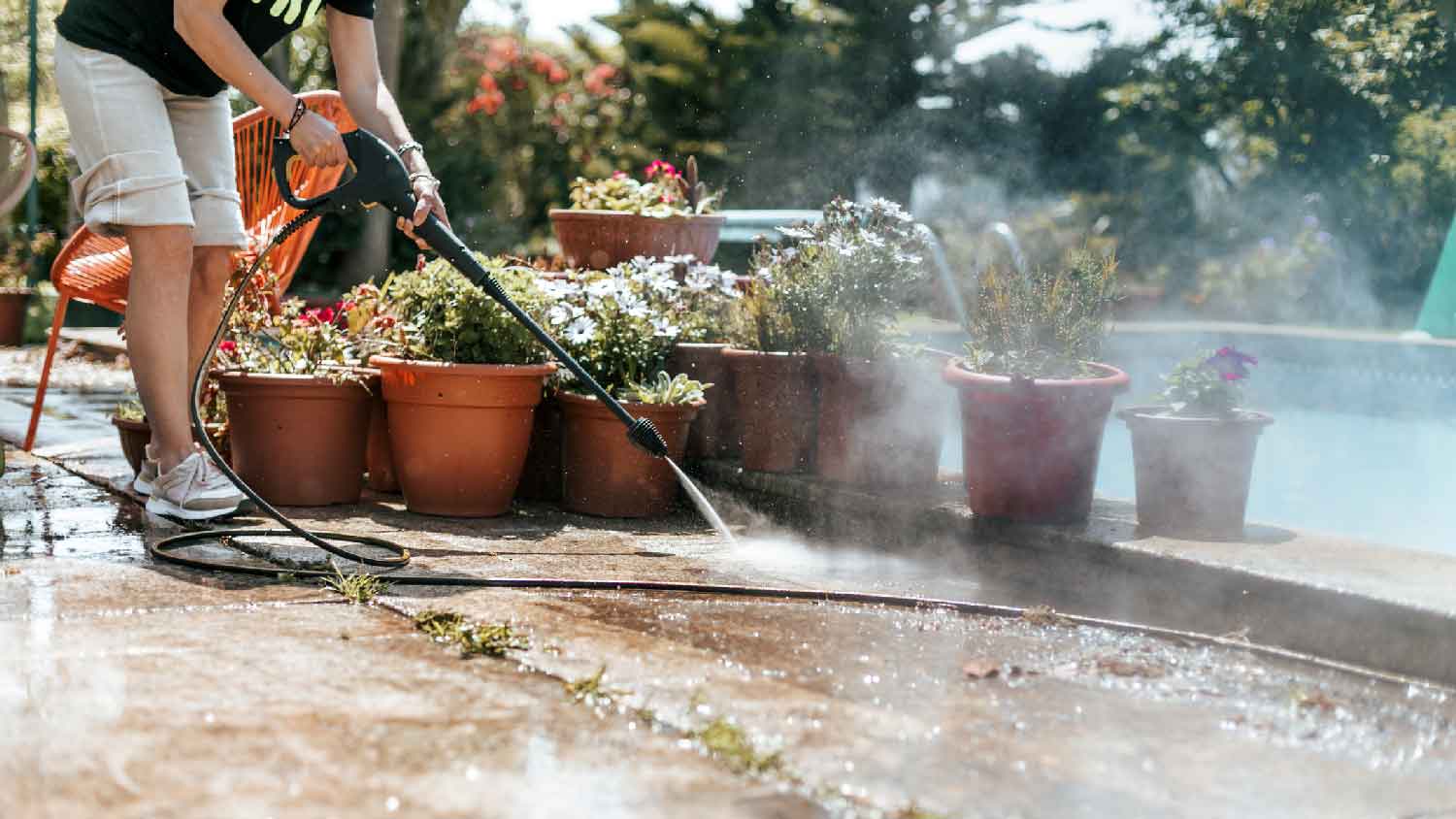
Pressure washing is any cleaning done with a pressure washer, which sends out a pressurized spray of water in a powerful blast. Basically, think of pressure washing as a supercharged hose.
The power of pressure washers is expressed in PSI, or pounds per square inch. A pressure washer with 2,000 PSI or less is useful for regular household tasks, while higher-powered pressure washers can get extra-dirty jobs done.
That said, if you have a serious mess, delicate materials that need a clean, or just want assistance on your project, a power washing pro near you can get the job done quickly without a mess or potentially costly mistake.
If you want to DIY pressure washing, the machines are relatively affordable for homeowners to purchase and keep. You can buy an electric pressure washer for $100 to $200, though higher-powered gas models cost closer to $500 apiece. You’ll also spend $20 to $80 per gallon for an eco-friendly cleaning solution at your local home improvement store.

Now that we know what pressure washing is, what makes it different from power washing? Pressure washing is what we’ve described above (cleaning with a strong blast of water), but power washers create a blast of water and steam that’s highly pressurized and hot.
In short, heat is the big difference between pressure washers versus power washers. Adding heat to the process makes power washers more effective at cleaning tougher messes, but it also makes them more dangerous to use and more liable to damage soft or porous surfaces. This is why hiring a pro for power washing is the safest and most effective move for your dirtiest surfaces.

Because pressure washing is, well, high-pressure, there are several parts of your home you shouldn’t pressure wash. You can call a pressure washing company for more specific advice, but as a DIYer, avoid pressure washing the following:
Stained decks or those made with composite materials
Brick, stucco, or painted siding
Windows
Light fixtures
Electrical panels
HVAC units
Vehicles
On the other hand, pressure washing can help remove built-up grit and grime from hard, durable surfaces, such as:
Unstained, natural-wood decking
Siding made of cement, vinyl, or aluminum
Concrete slab driveways and walkways
Again, if you have questions or don’t want to risk damaging your home, you can always hire a professional to help you get the job done right. After all, the water is supposed to be the one under pressure—not you.
I would recommend this company to anyone! He showed up on time, was friendly, completed a very difficult repair on our dryer vent cover, was responsive, and pricing was extremely fair and competitive. I would have him back to do any of our repairs or cleanings without hesitation!
 U.S.A. Dryer Vent, LLC
Best cleaning I've had at my property
The technician was very professional and friendly. He answered all my questions and was very thorough. He left the fireplace area very clean . He inspected from the roof and advised me as to other work that might need to be done. There was no pressure there. I was very satisfied with the...
 Supreme brick & chimney
Mary Cleaning Service is fantastic! The entire team is professional and pay a great deal of attention to detail. They do such a thorough job of cleaning my house. I would definitely recommend!
The workmanship is perfect, I did not have any complaint with that. It was the brick I chose not matching the brick that want I to use. There was a problem with discoloration of the brick. I thought that the rain was gonna wash it off but it didn't. I call them. All communication was coming...
 Bone Dry Roofing & Masonry - Cincinnati
I purchased the "Big Deal": $199.00 for exterior pressure-washing of one- or two-story home up to 2,000 square feet. They cleaned the siding only. I wasn't aware when I bought the Big Deal that they would not do any other surfaces other than the siding (i.e. sides of the gutters or stucco). I...
 Complete Home Services
From the initial sales presentation to the installers final clean up, this project was a total pleasure. Gary Coper, sales consultant, showed up exactly on time and provided an informative, no pressure description, of every material and step required to complete the remodel. We were always in...
 Simple Bath & Simple Kitchen
They were prompt, careful and thorough. I have also had them wash interior floor to ceiling windows which were perfect.
 Technicare Carpet Cleaning
The work went great! Couldn't ask for better. Joel set a work start date. About the time of the storms that may have been associated with Sandy. He was half a day late. They set up on a Thursday. On Friday they had a full crew at work. By Monday they were finishing up. Now, the best...
 NJW Construction
No hassle, no pressure, no mess left in my basement. ...and now I have a better understanding of our furnace.
 KNOW Heating
From average costs to expert advice, get all the answers you need to get your job done.
Need to breathe new life into your dirty siding and trim? Explore the cost to pressure wash a house to boost your curb appeal instantly.
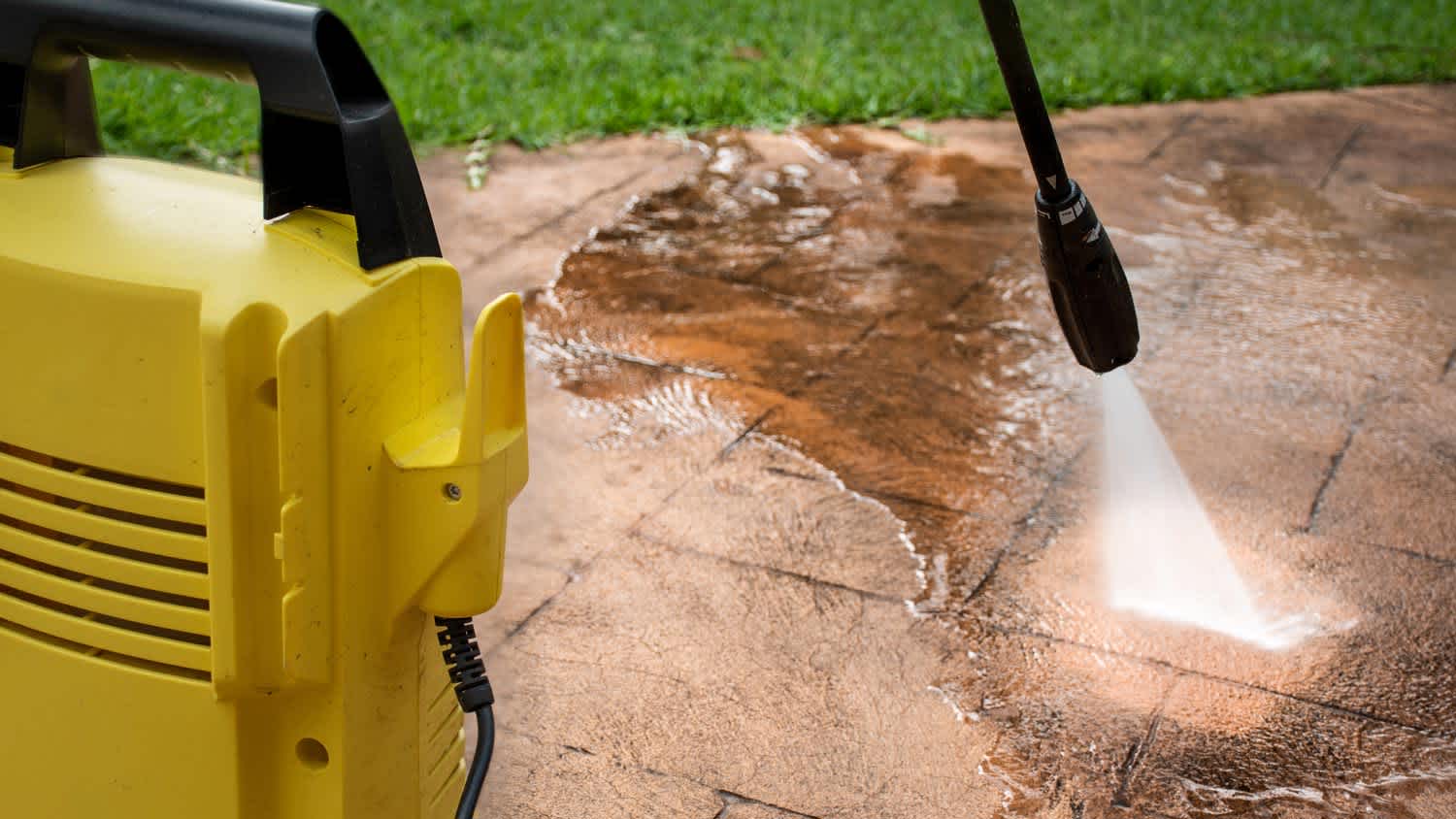
Some of the most powerful methods for staving off stains and damage to your patio, roof, and other areas include soft washing, pressure washing, and power washing. Read on to understand the crucial differences between them.
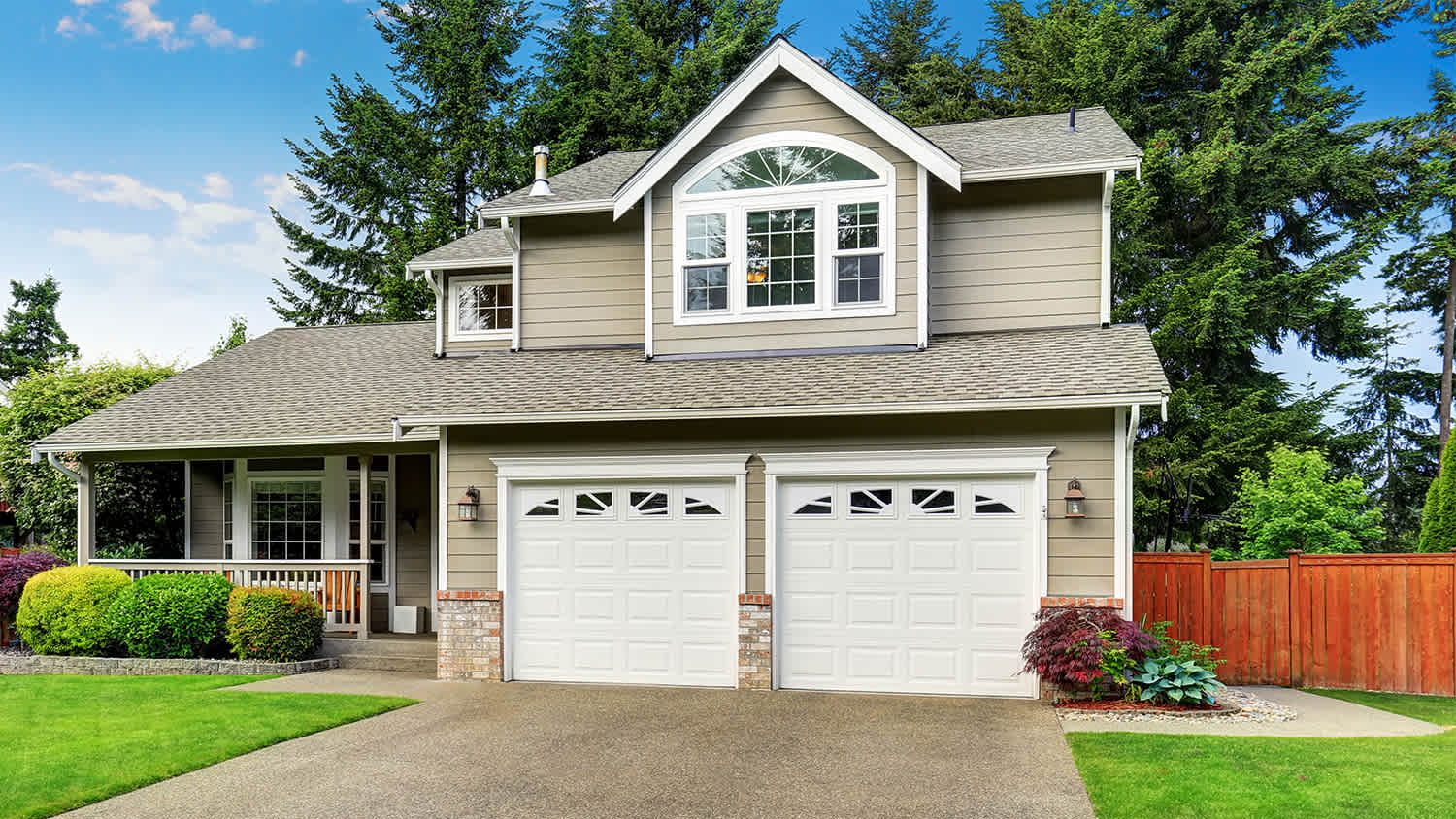
Now that you own a new pressure washer, learn how to use it like a professional so you can clean your driveway, siding, deck, and quickly and thoroughly.

A pressure washer is a useful tool for home cleaning projects but can cause serious damage when used incorrectly. Here’s how to avoid pressure washing mistakes.
Read this article and learn about the 17 items you should never pressure wash to avoid damage and costly mistakes.
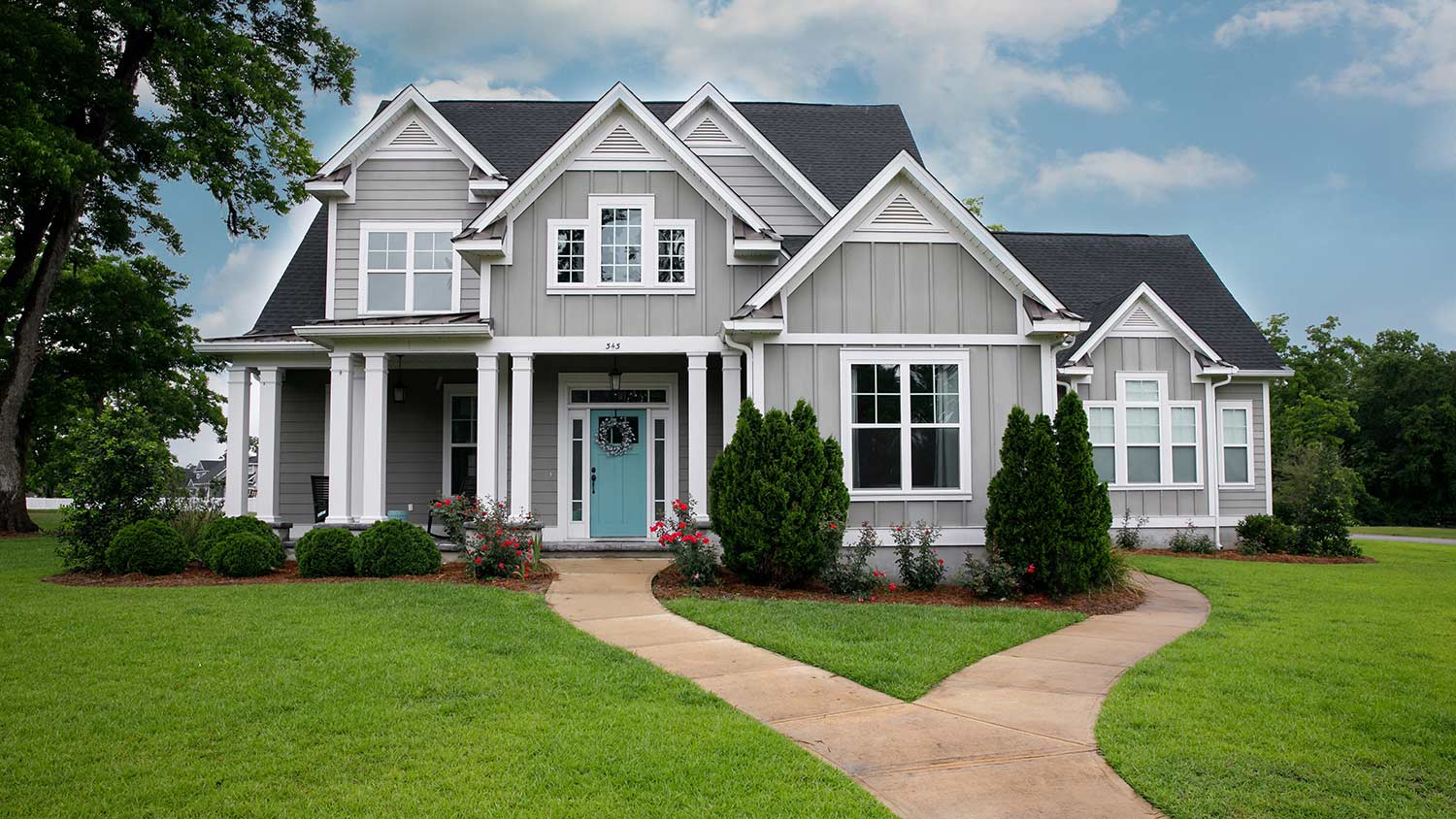
Considering DIY pressure washing your home instead of hiring a pro? We’ll help you weigh the pros and cons of each option.