



Del Rio's Landscaping Inc
Lawn Care - Maintain and Mow a Lawn
Serving Spring Grove, IL and surrounding areas
Approved
In business since 2008
Free estimates
Warranties offered
"Excellent and will hire them again."

+15
Recommended by92%of homeowners
 4.3
4.3  84
84 *The Angi rating for Leaf Removal companies in Spring Grove, IL is a rating based on verified reviews from our community of homeowners who have used these pros to meet their Leaf Removal needs.
*The HomeAdvisor rating for Leaf Removal companies in Spring Grove, IL is a rating based on verified reviews from our community of homeowners who have used these pros to meet their Leaf Removal needs.
Last update on August 28, 2025
Serving Spring Grove, IL and surrounding areas
Approved
In business since 2008
Free estimates
Warranties offered
"Excellent and will hire them again."
+15

Serving Spring Grove, IL and surrounding areas
Approved
In business since 1990
Free estimates
Emergency services offered
"First, I chose the category of <Maintain a Lawn,> which is less than they do. Not only do they do that, but they also do the fall and spring cleanup. This is the first and only landscaper we have ever employed. I always took care of my yard and lawn. I am retired.. Now, thanks to them, I donâ t feel stressed about it as they take care of the weekly mowing, cleaning the patio and making everything look amazing. They are exceedingly polite, they have a most incredible work ethic, and they are always there when you need them. I cannot speak highly enough of them. It was very hard for me to let go of my lawn work and they made it possible."
Serving Spring Grove, IL and surrounding areas
Approved
In business since 2005
Free estimates
Credit card accepted
"This company is great, acceded expectations by coming through on the clutch. Really award winning service and follow up to make sure I was satisfied! If you need a removal service these are the guys!"

Serving Spring Grove, IL and surrounding areas
Approved
In business since 2010
Free estimates
Emergency services offered
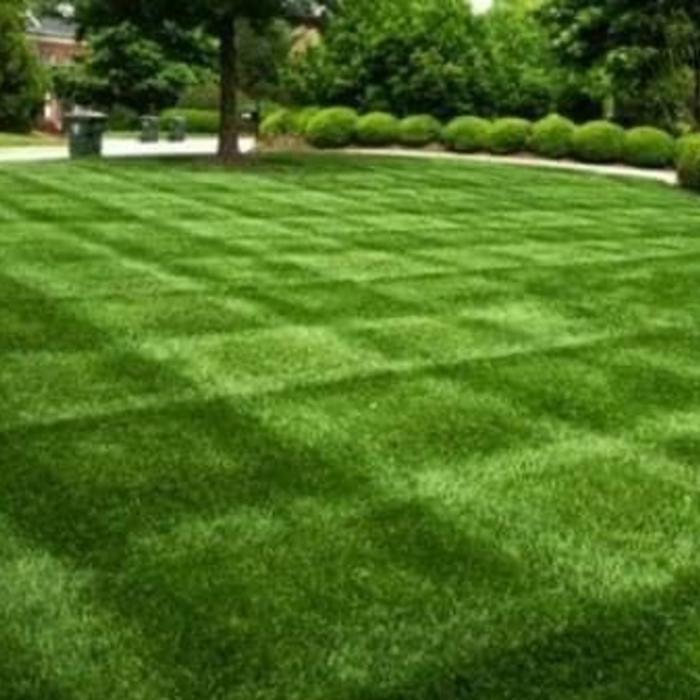
"Large wood fence destroyed in storm. JJ Sanchez finished project in 3 days. Great work!"




+6

Serving Spring Grove, IL and surrounding areas
Approved
In business since 2001
Free estimates
Emergency services offered
"expert work, fair price, good service"
Serving Spring Grove, IL and surrounding areas
Approved
Super Service Award Winner
In business since 2025
Free estimates
Offers commercial services
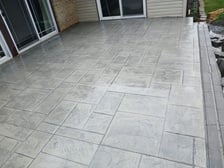
"Outstanding customer service and communication, perfect craftsmanship, completed on time and at budget, excellent value. We will continue to use Eagle Crest Landscaping & AG Concrete for other work. Highly recommended."

Serving Spring Grove, IL and surrounding areas
Approved
In business since 2020
Free estimates
Emergency services offered
"Great custom service, Keegan went above and beyond to help haul everything from my remodeling project on the same day. Would definitely recommend them and would use their services if needed again. Excellent company"



+24

Serving Spring Grove, IL and surrounding areas
Approved
In business since 2025
Free estimates
Emergency services offered
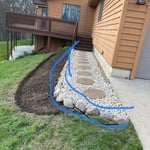
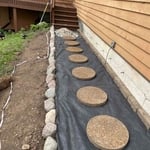
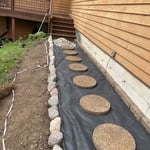
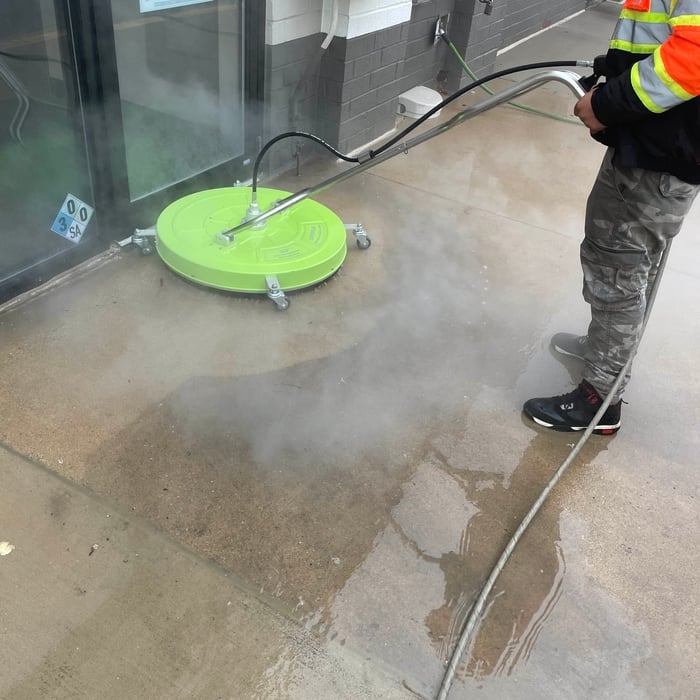
"Trimmed, tree, Power washed, resanded, sideways, helped pull weeds from our lake, hard worker and good price , give him a try,"

+7

Serving Spring Grove, IL and surrounding areas
Approved
In business since 2021
Free estimates
Small jobs welcome
"I hired Victor (River Blue Landscaping & Design) based on reviews on my neighborhood website, to perform a ?deep-clean? of my yard after years of neglect. I was BEYOND delighted with the amazing job he and his hardworking team did on my property, including a thorough yard cleanup, weeding, bush / tree trimming, mulching and deep-spade edging. Victor is very professional, prompt in returning calls, punctual, and (importantly!) dependable!! He and his crew made my yard look really beautiful and now (finally!) I?m looking forward to hosting backyard get togethers! Icing on the cake?..he is very competitively priced, I highly recommend him and have already contracted him for regular yard mowing and maintenance"


+4

Serving Spring Grove, IL and surrounding areas
Approved
In business since 2023
Free estimates
Small jobs welcome
"Workers provided professional customer service and provided just as good lawn treatment! Front yard looks better than ever!"
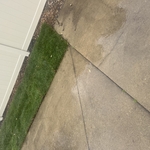

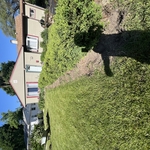
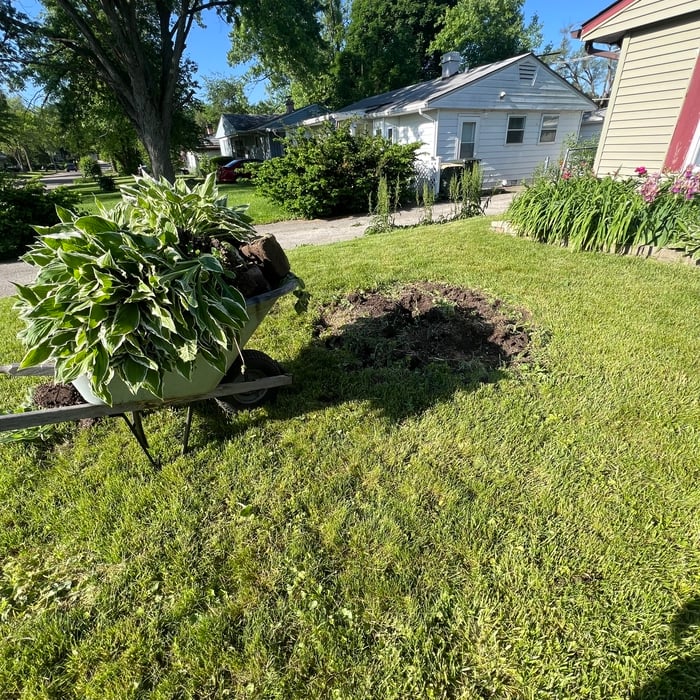
+18
From average costs to expert advice, get all the answers you need to get your job done.
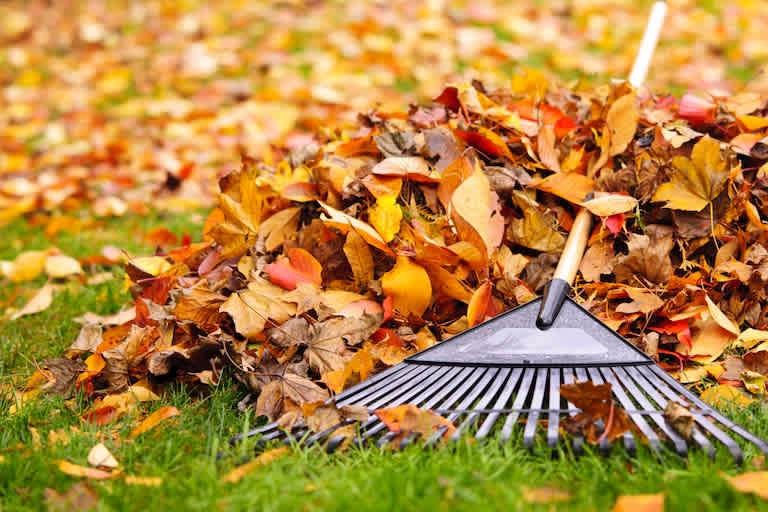
Autumn leaves are beautiful but also leave quite a mess to clean up. This guide will help you budget for your leaf removal cost this fall.

A yard cleanup can keep your lawn clean and prepare it for the next season. Find out the average yard cleanup cost and what can affect it.
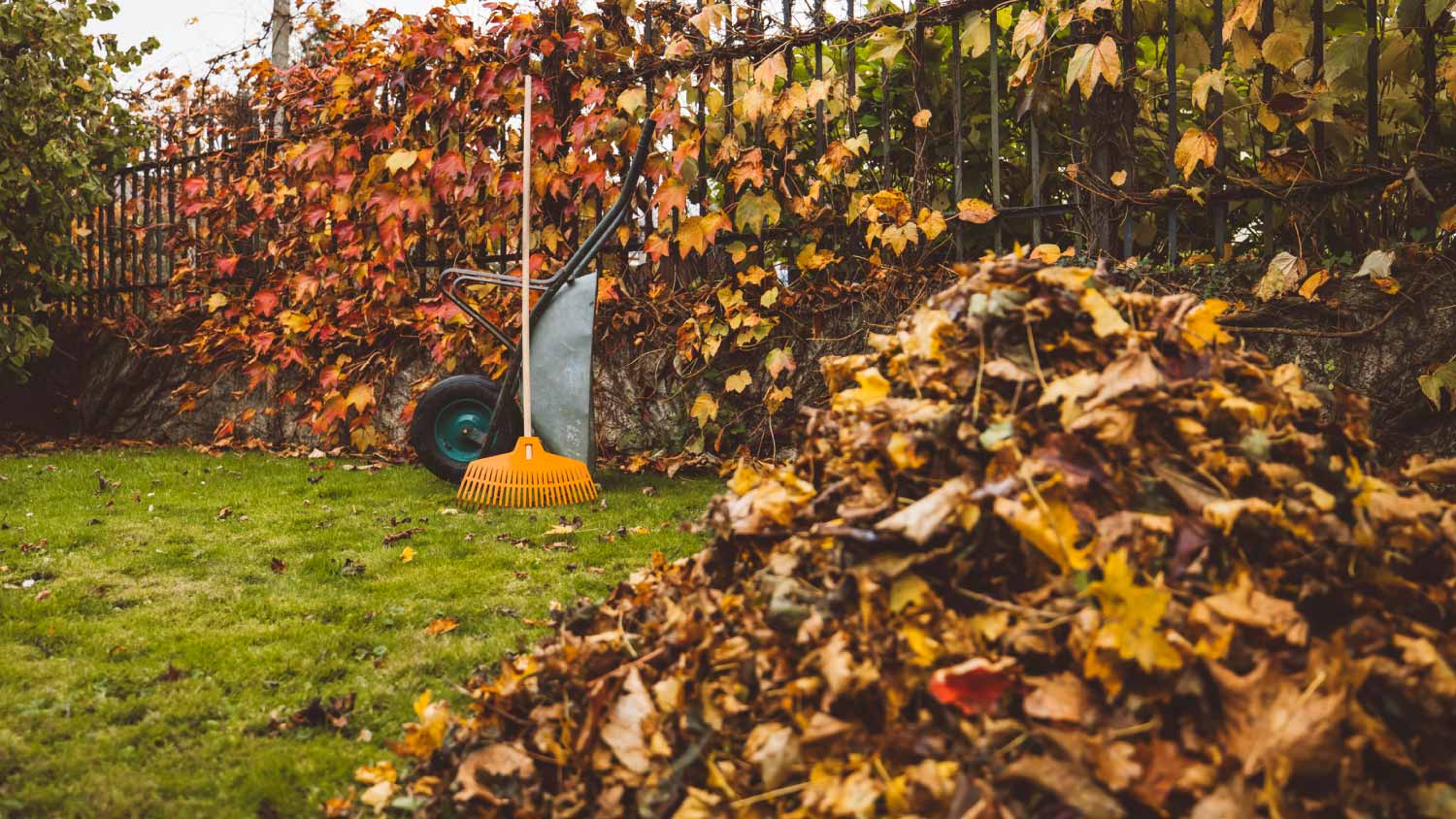
If autumn brings a blanket of leaves to your yard, you’ve got options. From mulching to free leaf removal days, here’s what to do with leaves in your yard.
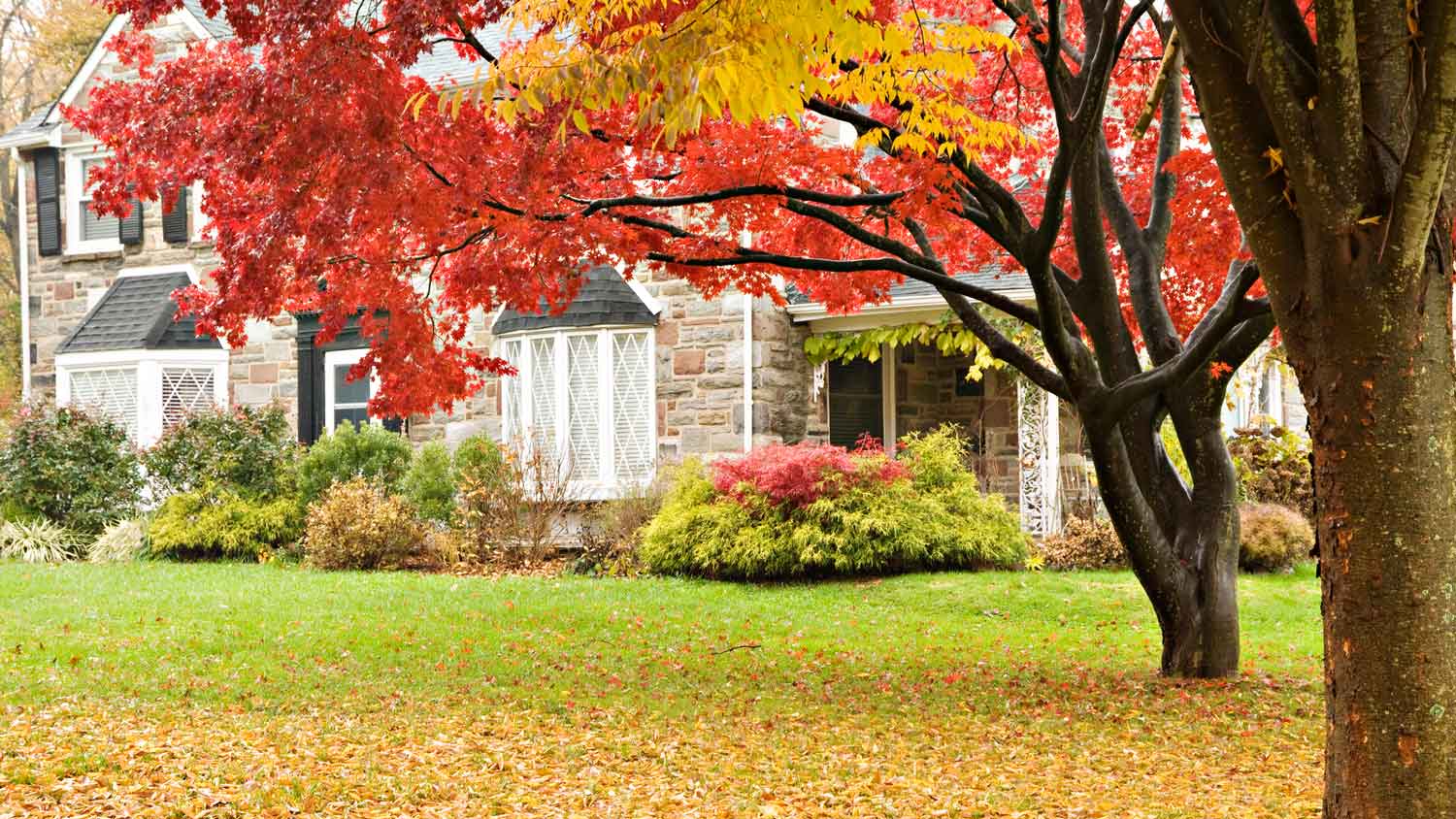
Raking leaves can be such a chore. Learn how to get rid of leaves without raking with these fail-safe methods.

Hiring a leaf removal service can save you hours of raking and bagging. Learn what to look for when you hire a leaf removal service.
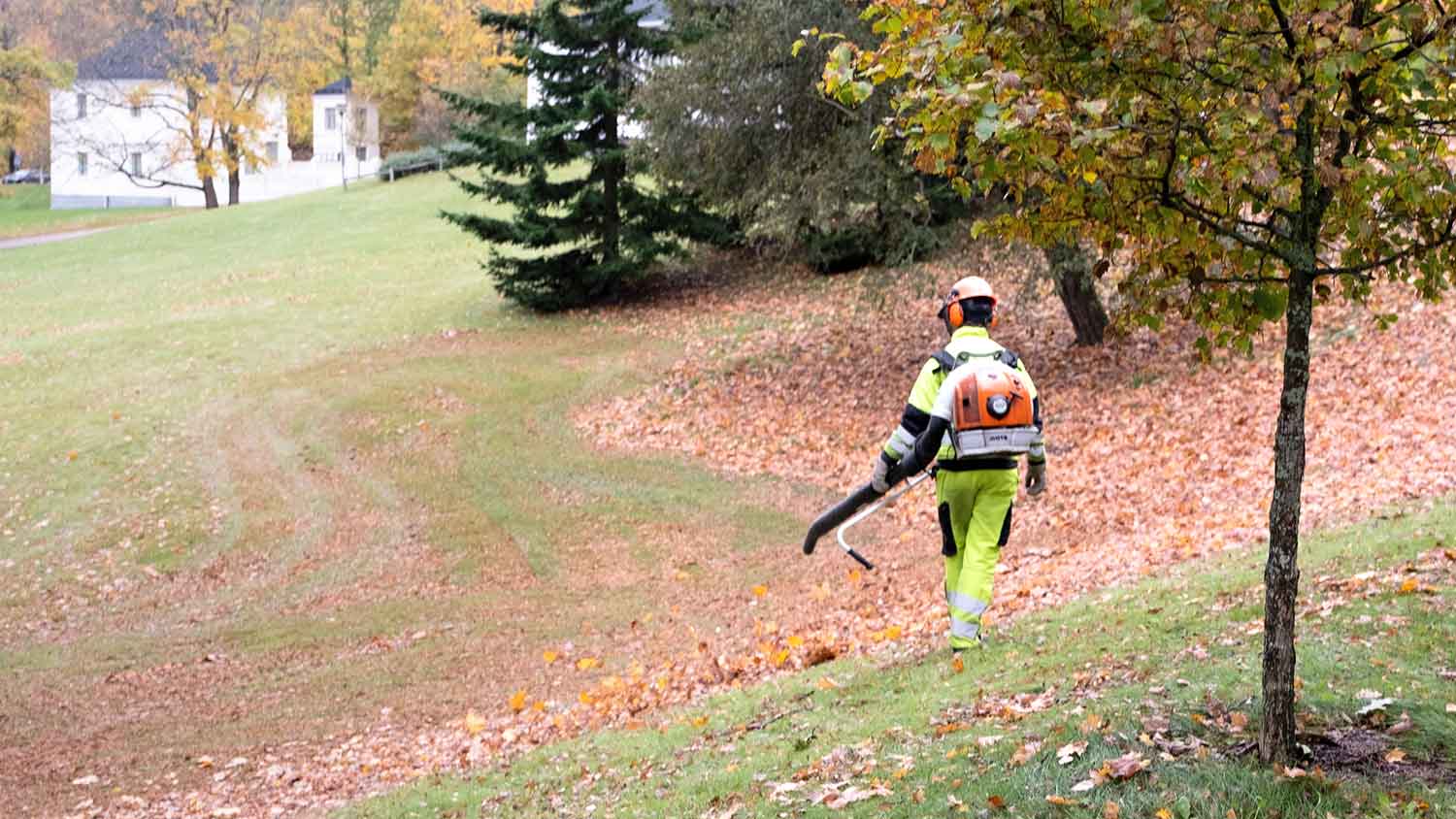
A leaf removal service can clear your yard of fallen leaves. Learn why to hire a leaf removal service, what to look for, and how the service works.