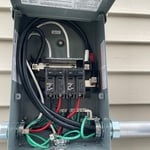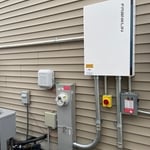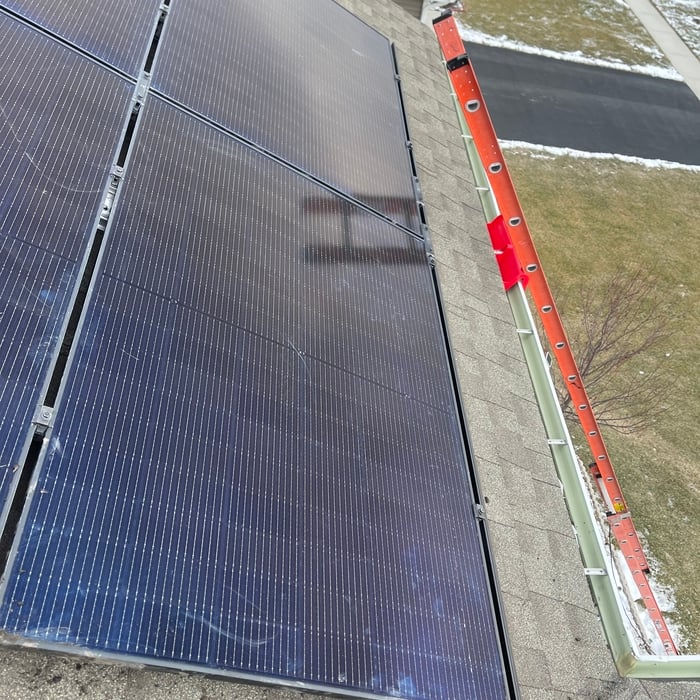






Top-rated generator install pros.

Get matched with top generator install pros in Dekalb, IL

Enter your zip and get matched with up to 5 pros

Need a pro for your generator install project in Dekalb, IL?

Select your specific project to find the pro for you.

Find Generator install pros in Dekalb

Avatar for Tri-State Water, Power & Air
Tri-State Water, Power & Air
5.0(
5
)
Fixed Generator - InstallGenerator - InstallGenerator - Install - For Business

Serving Dekalb, IL and surrounding areas

Approved (Corporate)

In business since 1992

Free estimates

Emergency services offered

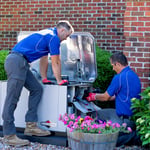
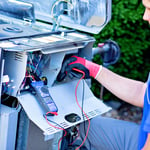
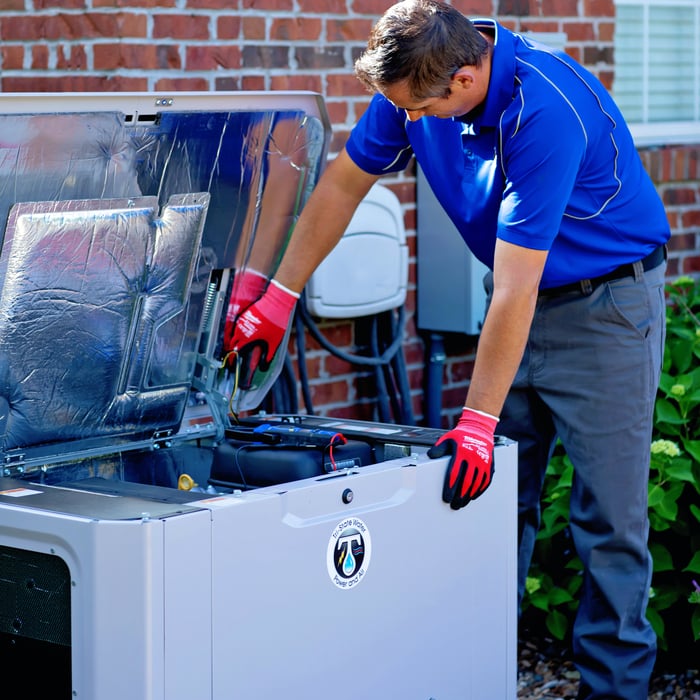
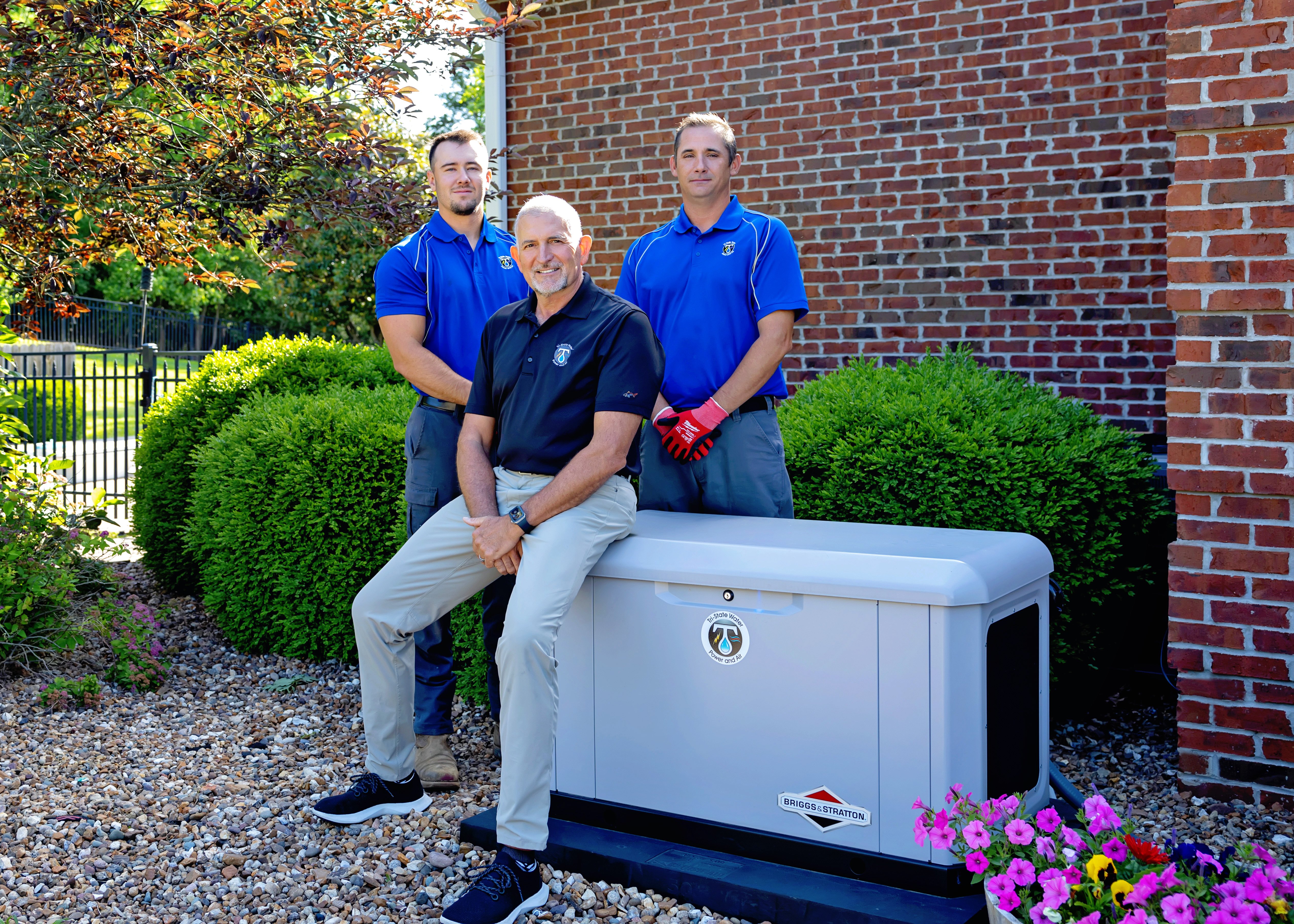
We are the experts in the field of Whole Home Generator Sales and Installation, with over 20 years of experience in the game.\nWe provide turn-key installation by licensed professionals - 24 hour emergency service - Remote Monitoring - Long term maintenance and service by factory trained technicians.
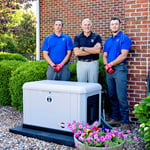
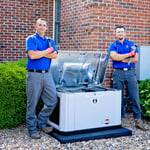
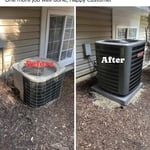
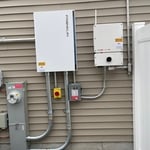
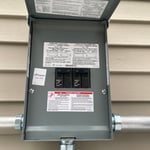
Additional Photos
Additional Photos
Additional Photos
Additional Photos
Additional Photos

+3

31 neighbors recently requested a quote

Avatar for Enable Electric
Enable Electric
4.8(
3
)
Fixed Generator - Install

Serving Dekalb, IL and surrounding areas

Approved

In business since 2014

Free estimates

Warranties offered

"My experience working with Carlos at Enable Electric was seemless. Carlos was extremely attentive with communication, on time for visits and completed my electrical panel swap successfully. I highly recommend Enable Electric and will most definitely be hiring them again for additional projects in the very near future!"
Response time5 hrs
Recommended by100%of homeowners
Scardino Electric, Inc.
5.0(
3
)
Generator - Install - For BusinessGenerator - Repair - For Business

Serving Dekalb, IL and surrounding areas

Approved

In business since 1970

Free estimates

Credit card accepted

"Although at this point the work hasn't started, this project had a lot of obstacles. The owner made multiple visits and we spoke several times to help figure out a way to reach goals without charge. He was very generous with his time and helped to figure the most cost effective way to get started and progress. He listens and goes beyond the call of duty. I have no doubts that he is true to his word and integrity. I am happy to have found such an exceptional and attentive electrical contractor. He's my guy from now on."
Response time11 hrs
Response rate100%
Recommended by100%of homeowners
Avatar for LSVG Electrics Inc
LSVG Electrics Inc
4.8(
57
)
Fixed Generator - InstallFixed Generator - RepairGenerator - Install+4 more

Serving Dekalb, IL and surrounding areas

In business since 2022

Free estimates

Emergency services offered

"Wasn’t positive that a battery was needed until they arrived to do the oil change so had to wait a couple of days until new battery arrived but they came back as soon as it did and finished everything they promised. I very satisfied with the work and would hire them again without hesitation"
Electrical Project
Electrical Project
Electrical Project
Electrical Project
Electrical Project

+589

Response time7 hrs
Response rate100%
2 neighbors recently requested a quote

Showing 1-10 of 33
Generator Install questions, answered by experts

The cost to install a whole-house generator averages $5,200, with a typical price range of $1,500 to $8,900. However, total costs can vary from $400 for a small portable unit to over $18,000 for a large-capacity system. The most significant cost factor is the generator's size and capacity, but other variables include the brand, fuel type, and labor for assembly and installation.

Generator costs can be broken down by type:

  • Portable or Emergency Backup Generators (1kW–7.5kW): $500 to $2,000

  • Partial-Home Generators (9kW–20kW): $2,000 to $6,500

  • Whole-House Generators (22kW–48kW): $5,000 to $18,000

To avoid paying for more power than you need, consider hiring an electrician to calculate the electrical load for your essential appliances. It is also recommended to get at least three quotes to find the best deal for your specific needs and budget.

If you’re wondering whether gas generators produce carbon monoxide, know that natural gas generators do not produce carbon monoxide if they are functioning properly, as natural gas burns cleanly. However, if the generator malfunctions and the gas does not burn completely, there is potential for carbon dioxide to be produced. To prevent malfunctions, it's crucial to perform regular maintenance, including running the generator weekly and scheduling professional inspections every 6 to 12 months. Also, be sure to test your carbon monoxide detectors regularly to ensure they function in the rare case of the generator producing carbon monoxide.

Potential benefits of using a natural gas generator include reducing your carbon footprint, lower likelihood of carbon monoxide exposure, budget-friendly operating costs, and low-maintenance, continuous fuel supply. Some possible drawbacks, though, include higher initial installation costs, dependency on a natural gas supply, and installation complexity. Keep in mind that pros and cons will vary based on the type and brand of natural gas generator. 

To determine the right size generator for your house, you should calculate the total wattage of the appliances and devices you want to power during an outage. List all essential items, note their start-up wattages, and add them together.

Here are some typical wattage requirements for common appliances:

  • Refrigerator: 600 watts

  • Large dehumidifier: 700 watts

  • Large window air conditioner: 1,400 watts

  • Water heater: 3,000 to 4,500 watts

  • Electric furnace: 5,000 to 25,000 watts

A 7,500-watt generator might be sufficient for essentials like a refrigerator, freezer, well pump, and lighting circuits. However, for high-demand items like a water heater or furnace, a whole-home generator is a better choice. A portable generator may be enough if you only need to power a few critical items.

While home square footage can offer a rough estimate, it is not always a reliable indicator. For reference, here are some typical generator sizes based on square footage:

  • 1,000 sq ft: 6–9 kW

  • 1,500 sq ft: 7–10 kW

  • 2,000 sq ft: 10–14 kW

  • 2,500 sq ft: 12–16 kW

  • 3,000 sq ft: 16–20 kW+

For the most accurate sizing, consult a professional who can calculate your home's peak and average power consumption and recommend the optimal generator.

If you’re wondering if you can use your electric vehicle as a backup battery, it depends on whether your EV is compatible with bidirectional charging. This technology allows energy to flow both ways, enabling vehicle-to-home (V2H) backup power, vehicle-to-load (V2L) for appliances and camping, and vehicle-to-grid (V2G) to support the power grid. Compatible EVs convert stored DC energy into usable AC power, helping reduce energy costs and enhance grid stability while providing emergency backup power.

The Dekalb, IL homeowners’ guide to generator installs

From average costs to expert advice, get all the answers you need to get your job done.