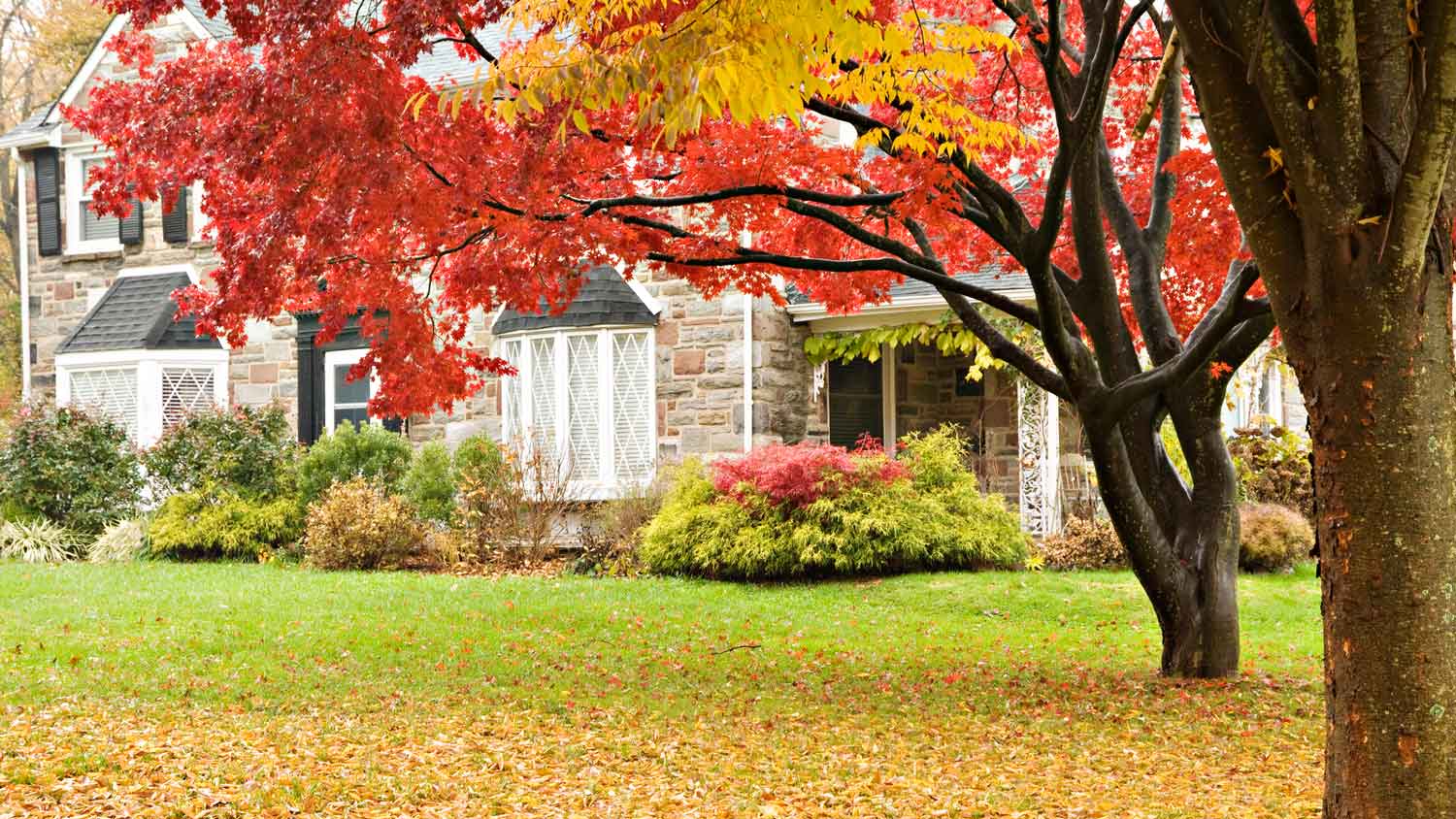
Top-rated leaf removal pros.

Get matched with top leaf removal pros in Prospect Heights, IL

Enter your zip and get matched with up to 5 pros

Need a pro for your leaf removal project in Prospect Heights, IL?

Select your specific project to find the pro for you.

TRUSTED BY PROSPECT HEIGHTS, IL HOMEOWNERS

  • Average homeowner rating star icon4.5
    Average homeowner rating
  • Verified reviews icon160
    Verified leaf removal services reviews

Find Leaf removal pros in Prospect Heights

Avatar for Second City Hauling
Second City Hauling
5.0(
12
)
Waste, Junk, Building Materials and Debris - Remove and Haul

Serving Prospect Heights, IL and surrounding areas

Approved

In business since 2018

Free estimates

Small jobs welcome

"Needed a very large dresser removed from our basement with a large mirror attachment. Second city Hauling came in and were extremely professional and courteous. Very quick and efficient with removal. This is the second time I have used their services for furniture/junk removal and both times have been very quick and efficient."
Donation
Cleanout
Storage Cleanout
Storage Cleanout
Apartment Cleanout

+16

6 neighbors recently requested a quote
Avatar for deosvectura llc
deosvectura llc
5.0(
4
)
Waste, Junk, Building Materials and Debris - Remove and Haul

Serving Prospect Heights, IL and surrounding areas

Approved

Free estimates

Emergency services offered

“DeosVectura LLC delivers dependable contracting and exterior property services with a focus on quality, speed, and professionalism. We specialize in porch and stair painting, tuckpointing, pressure washing, cleanups, hauling, and exterior restoration. Our mission is simple: provide strong workmanship, fair pricing, and reliable service customers can trust. We treat every project with precision and pride.”

25 neighbors recently requested a quote
...
Showing 1-10 of 425
Leaf Removal questions, answered by experts

Lead removal services typically cost between $1,000 and $5,000, depending on the extent of lead presence, the property size, and the complexity of the abatement process.

If your roof was constructed between 1930 and 1970, there’s a possibility that the shingles contain asbestos. If that’s the case, you should hire a professional for repairs and replacement, as they’ll have the necessary equipment to stay safe from such a hazardous and cancer-causing substance. If your home was constructed after this period, it’s unlikely that the shingles in place are toxic. In most cases, asbestos shingles are not recyclable, while standard asphalt shingles are recyclable.

Lead toxicity comes from inhaling lead or consuming it. Before the 1980s, when the government banned lead from consumer use, it could be found in paint, plumbing, pipes, ceramics, and even gasoline. Lead paint is toxic for the same reason lead itself is toxic, which is why lead poisoning from paint presents the same as lead poisoning from water or food sources, with a slight increase in respiratory symptoms vs. digestive symptoms. Lead paint is most dangerous when it’s old and peeling, cracking, or otherwise disturbed. This increases the concentration in the air and, therefore, in breathable air. 

You do not have to remove lead paint if the surface is not chipping or peeling or if there are no pregnant people or children under the age of six who live in or regularly visit your home. Lead paint is a particular risk for young children whose brains and bodies are not fully developed. Experts strongly recommend that you call a pro to remove lead paint if it’s peeling or flaking, no matter who lives in the home. You can experience lead poisoning by breathing in or ingesting just a small amount of it.

According to the Environmental Protection Agency (EPA), hazardous waste is generally classified into four main categories:

1. Characteristic Wastes: These exhibit at least one of four hazardous traits: ignitability (flammable, like gasoline), corrosivity (can rust or decompose materials, like car batteries), reactivity (unstable and can explode, like aerosol cans), or toxicity (harmful when ingested, like lead-based paint).

2. Listed Wastes: These are specific wastes from manufacturing and industrial processes that the EPA has officially designated as hazardous. They include byproducts from processes that use solvents, pesticides, and other chemicals.

3. Universal Wastes: These are commonly generated hazardous items that are subject to streamlined regulations. Examples include batteries, pesticides, mercury-containing equipment (e.g., bulbs), and some lamps.

4. Mixed Wastes: This category includes waste that contains both hazardous and radioactive components, making it subject to regulation by both the EPA and the Nuclear Regulatory Commission.

The Prospect Heights, IL homeowners’ guide to leaf removal services

From average costs to expert advice, get all the answers you need to get your job done.