




Top-rated energy efficiency auditors.

Get matched with top energy efficiency auditors in Phoenix, IL

Enter your zip and get matched with up to 5 pros

Need a pro for your energy efficiency auditing project in Phoenix, IL?

Select your specific project to find the pro for you.

Find Energy efficiency auditors in Phoenix

Avatar for Perma-Seal Basement Systems
Perma-Seal Basement Systems
4.4(
1,520
)
Home Energy Audit

Serving Phoenix, IL and surrounding areas

Approved

Super Service Award Winner

In business since 1979

Free estimates

Emergency services offered

"The gentleman that came to do the electric for my sump pump in the basement was a gentleman did great cleanup great work courteous kind very informative. This was the first step prior to having the drains put in. This was the Electrician and he was excellent."
Thermal imaging
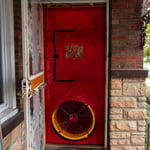
Blower door test
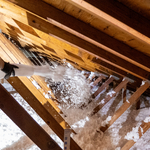
Old insulation removal
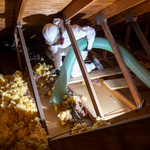
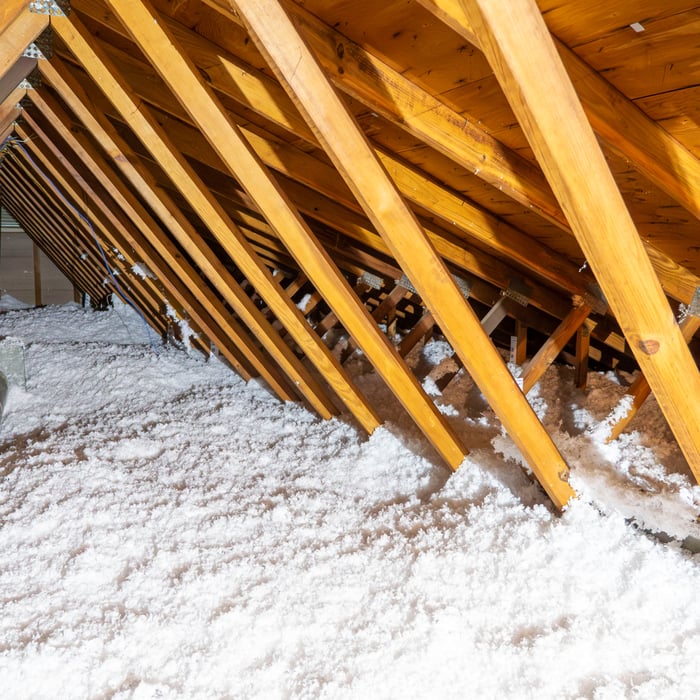
New blown insulation
Perma-Seal Attic Insulation

+48

Response time1 day
Response rate100%
55 neighbors recently requested a quote
Avatar for Complete Heating & Air Conditioning
Complete Heating & Air Conditioning
3.9(
23
)
Energy Audit - For BusinessHome Energy Audit

Serving Phoenix, IL and surrounding areas

In business since 1996

Emergency services offered

Credit card accepted

"I had a fire back in October 2012 and All State paid for everything when I had my new home built. While the fireman were still on the property they were here. They covered everything! They were efficint, caring and promt. They were also very responsive when I called them and had Elko Construction come out right away. They had 2 cleaners the American Cleaning Company come out as well."
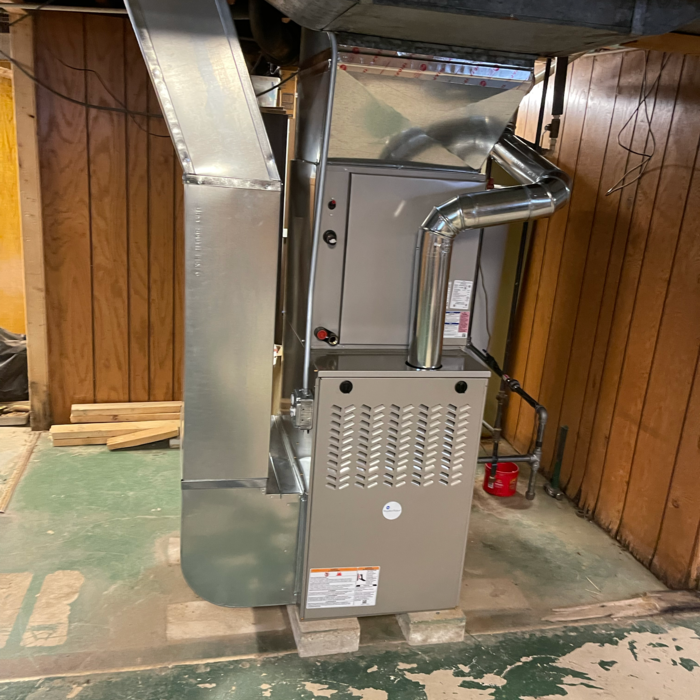
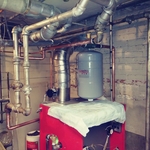
Additional Photos
Additional Photos
Additional Photos
Additional Photos
Additional Photos

+14

Recommended by81%of homeowners
Showing 1-10 of 17
Energy Efficiency Auditing questions, answered by experts

To determine the right size generator for your house, you should calculate the total wattage of the appliances and devices you want to power during an outage. List all essential items, note their start-up wattages, and add them together.

Here are some typical wattage requirements for common appliances:

  • Refrigerator: 600 watts

  • Large dehumidifier: 700 watts

  • Large window air conditioner: 1,400 watts

  • Water heater: 3,000 to 4,500 watts

  • Electric furnace: 5,000 to 25,000 watts

A 7,500-watt generator might be sufficient for essentials like a refrigerator, freezer, well pump, and lighting circuits. However, for high-demand items like a water heater or furnace, a whole-home generator is a better choice. A portable generator may be enough if you only need to power a few critical items.

While home square footage can offer a rough estimate, it is not always a reliable indicator. For reference, here are some typical generator sizes based on square footage:

  • 1,000 sq ft: 6–9 kW

  • 1,500 sq ft: 7–10 kW

  • 2,000 sq ft: 10–14 kW

  • 2,500 sq ft: 12–16 kW

  • 3,000 sq ft: 16–20 kW+

For the most accurate sizing, consult a professional who can calculate your home's peak and average power consumption and recommend the optimal generator.


When combined with a substantial solar system, if you have enough Powerwalls, you could go off-grid and be energy independent. But remember, you'd need enough Powerwalls to power your whole home continuously because a single Powerwall can’t power large appliances for extended periods. One Powerwall is able to power an average-sized home's emergency circuits, lights, and outlets. To power large appliances, you likely need two or three Powerwalls.

There are several signs that your house might have poor ventilation, including lingering odors, condensation on your windows, or mold and mildew. Your home may also feel stale and stuffy, or you might have trouble maintaining a comfortable temperature in your home. On top of that, you might develop allergy symptoms, such as sneezing, coughing, or headaches.

If you have central air conditioning, it’s fine to run your AC all day if that’s what you want—as long as the AC unit is in good condition. But if your AC runs constantly when you don’t want it to, there may be a problem with your system (like the ones we’ve mentioned above). Window AC units and wall air conditioners aren’t as powerful as central AC, so you should only run those kinds of air conditioners for eight to 12 hours at a time.

Yes, a dirty air filter can cause a higher electric bill. That’s because clogged filters make it harder for air to flow through your HVAC system, which forces it to work harder and use more energy. According to the U.S. Department of Energy, replacing dirty filters can save you between 5% and 15% in utility costs.

The Phoenix, IL homeowners’ guide to energy efficiency auditing services

From average costs to expert advice, get all the answers you need to get your job done.