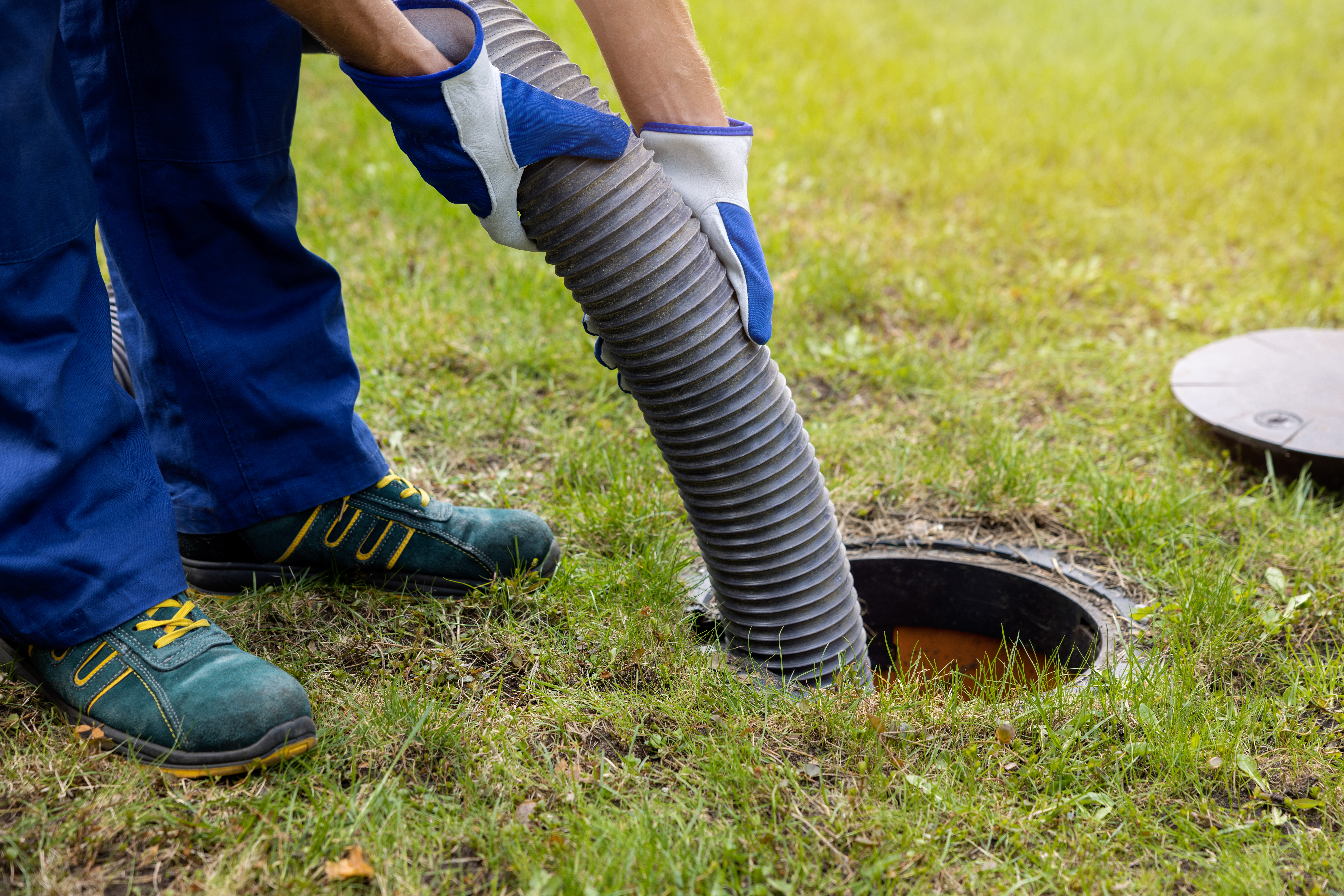








Top-rated septic tank pros.

Get matched with top septic tank pros in Oneida, IL

Enter your zip and get matched with up to 5 pros

Need a pro for your septic tank service project in Oneida, IL?

Select your specific project to find the pro for you.

Find Septic tank pros in Oneida

JONES SEPTIC SERVICE - Home Facebook
New to Angi
Septic System - Install or ReplaceSeptic System - Install or Replace - For BusinessSeptic Tank - Clean or Pump Out+1 more

Serving Oneida, IL and surrounding areas

In business since 1985

Free estimates

Credit card accepted

We offer only the best in quality workmanship and professional courtesy. We specialize in all phases of commercial and residential landscaping. We are committed quality work and outstanding results & are strongly involved in local community activities. We look forward to working with you!\n\n

Septic Tanks questions, answered by experts

The septic installation company must follow several steps to put in a new septic system and leach field. The installer will study your property and determine the best place for the tank and leach field. The site should be away from existing structures, be free of trees, and have proper drainage and grading. Preparing the site for the tank and leach field will require significant excavation work.

Your septic tank naturally contains the beneficial bacteria it needs to function, so you typically don't need to add more. However, if you wish to replenish the bacteria, you can use natural methods. For example, you can add three overripe tomatoes to your garbage disposal or flush 1/4 ounce of active yeast down the toilet every three months. While store-bought septic enzymes and chemicals are available, many experts consider them unnecessary and potentially harmful. The most effective way to maintain a healthy bacteria population is to avoid using chemical drain cleaners, which can kill the good bacteria in your system.

The pressure in a well pressure tank should be set 2 to 3 PSI below the pump's cut-on pressure. The cut-on pressure is the lower number in the pressure setting (e.g., the '30' in 30/50 PSI) and is the point at which the pump starts. The cut-out pressure is the higher number, where the pump stops.

For example:

  • If your pressure switch is set to 30/50 PSI, the tank pressure should be 27-28 PSI.

  • If your pressure switch is set to 40/60 PSI, the tank pressure should be 38 PSI.

Common pressure settings for household applications include 20/40, 30/50, and 40/60 PSI. The difference between the cut-on and cut-out pressure is typically 20 PSI.

How to size a well pressure tank is determined by three factors: flow rate, or how many gallons per minute your well pump produces; minimum runtime; and pressure switch setting. Most pressure tanks have a pressure switch operating at 20/40, 30/50, and 40/60—the first number is the pressure needed for the pump to turn on, and the second number is the pressure needed for the pump to switch off. Most homeowners relying on well water require a water pressure tank ranging from 20 to 80 gallons. 

Most shallow residential wells are somewhere between 25 and 50 feet deep. They are among the simplest well systems. Deeper wells usually involve drilling to a much greater depth. Water wells for household use are typically 100 to 500 feet deep, depending on local groundwater conditions. Some may be up to 1,000 feet deep or more. 

The Oneida, IL homeowners’ guide to septic tank services

From average costs to expert advice, get all the answers you need to get your job done.