



Top-rated septic tank pros.

Best septic tank pros near Abingdon, IL

Enter your zip and get matched with up to 5 pros

Need a pro for your septic tank service project in Abingdon, IL?

Select your specific project to find the pro for you.

Top-Rated Septic tank pros in Abingdon - Updated Nov 2026

Avatar for American Home Shield – Home Warranty
American Home Shield – Home Warranty
3.5(
5,689
)
Septic System - Install or ReplaceSeptic System - Install or Replace - For BusinessSeptic System - Repair+3 more

Serving Abingdon, IL and surrounding areas

In business since 1971

Credit card accepted

"I just pay $75 you never know who's going to come out. They do everything electrical. Just about everything is covered except the septic tank. I had an air conditioner replaced. It went great, all I had to do was pay for the freon. He didn't charge e more than what was needed."
Additional Photos
Additional Photos
Additional Photos
Additional Photos
Additional Photos

+2

Recommended by65%of homeowners
JONES SEPTIC SERVICE - Home Facebook
New to Angi
Septic System - Install or ReplaceSeptic System - Install or Replace - For BusinessSeptic Tank - Clean or Pump Out+1 more

Serving Abingdon, IL and surrounding areas

In business since 1985

Free estimates

Credit card accepted

We offer only the best in quality workmanship and professional courtesy. We specialize in all phases of commercial and residential landscaping. We are committed quality work and outstanding results & are strongly involved in local community activities. We look forward to working with you! \n \n

Septic Tanks FAQs, answered by experts

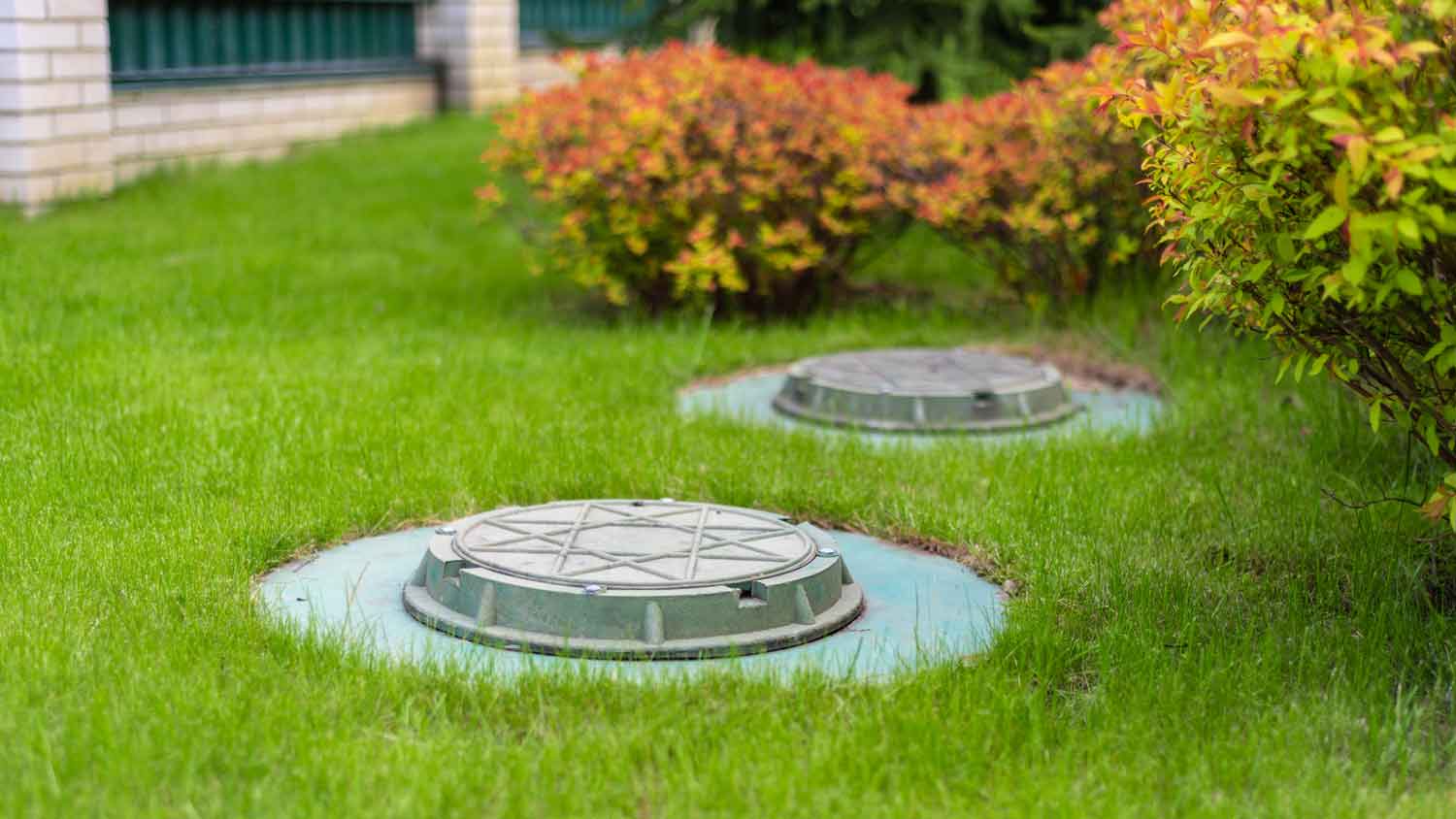
A septic tank riser should extend to just above the ground level or slightly above it. The exact height can vary depending on local regulations and personal preferences, but a common guideline is to have the riser's top flush with or no more than a few inches above the surrounding ground. This height allows for easy access to the septic tank without creating a tripping hazard or obstructing mowing and landscaping activities. It's essential to ensure that the riser lid is easily visible and accessible for regular maintenance and inspection while being mindful of safety and aesthetics.

While dry wells can be effective for managing rainwater, they have several disadvantages. They can become clogged with sediment, especially after large storms, which reduces their effectiveness and can be difficult to clean. Dry wells are also not suitable for all soil types; they will not function properly in soil with low permeability. Additionally, if a dry well is not large enough to handle the amount of rainfall in your area, it can overflow. For gravity-flow models, the water may disperse very slowly, depending on the well's depth and the soil's permeability.

Although air in your water lines won’t affect the overall quality of your water, it will lead to problems with your well water system if not addressed. Over time, too much air in your water lines can create blockages in your pipes, cause insufficient water flow to your taps and appliances, loosen pipes, and potentially damage important components of your well including your well pump and pressure tank. 

Conventional anaerobic septic systems are the most cost-effective and least expensive type, with installation costs typically ranging from $3,000 to $8,000. For comparison, sand filter systems cost between $7,000 and $18,000, while mound systems are the most expensive at $10,000 to $20,000. Several factors influence the final price. The tank material is a key consideration; plastic tanks are the most budget-friendly option, starting around $2,900, but concrete and fiberglass tanks offer greater durability and longer life spans at a higher cost. The size of the tank also affects the price. For example, a 1,000-gallon tank costs between $900 and $1,500, whereas a larger 1,500-gallon tank costs $1,500 to $2,500.

Talking with a septic pro before planting trees near your tank is best to ensure the roots won’t interfere with your septic system. However, there is an easy way to figure out where to plant a tree—but you’ll need to know how tall it can get when it’s fully grown. For instance, if the tree can reach 50 feet, plant it at least 50 feet from your septic system.

The Abingdon, IL homeowners’ guide to septic tank services

From average costs to expert advice, get all the answers you need to get your job done.