"Lockhart Electric has done several projects for me. Everything from replacing switches and fixtures to upgrading my breaker panel. They are always so helpful and knowledgeable. The prices are always fair, and they always give me options to help me make the best decisions depending on my need and my budget. I trust them with my home and I wouldn't call anyone else."
"Julio did a great job figuring out what the issue was and even fixed some incorrect things a previous electrician had done. He was fast, professional and very friendly. I highly recommend."
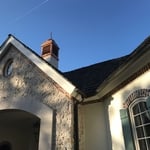
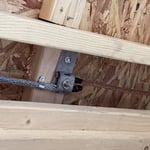
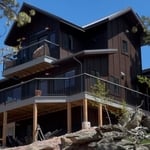
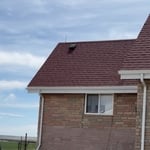
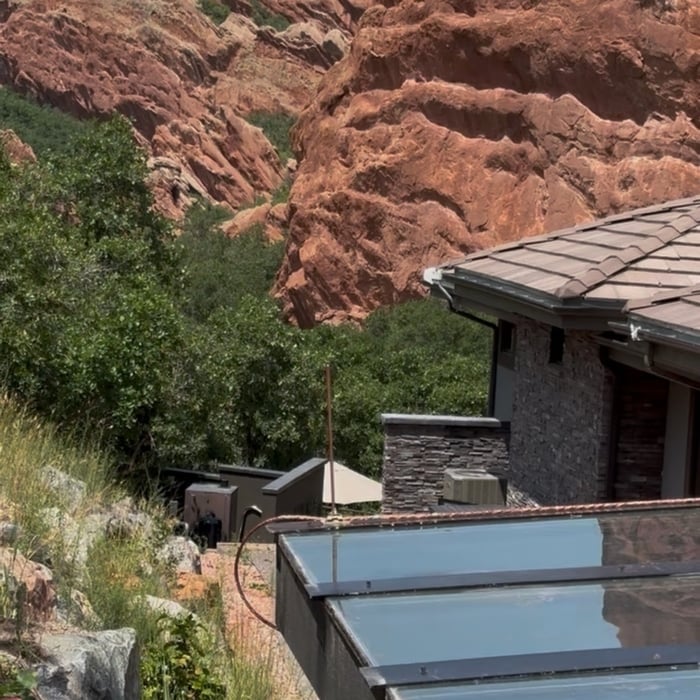
"I was pleased with the installation of the lightning rods--communication was great and the work was done quickly. What I wasn't happy with is he quoted me a price that was less then my actual bill was BUT the price was still less then two other contractors bids."
"The problem turned out to be a burned out small electric door switch. I believe the price was way too expensive for the service performed and the price of the door switch. What more can I say? It got done."
Jorgenson Electric, Inc., is committed to excellence in every aspect of our business. We uphold a standard of integrity bound by fairness, honesty and personal responsibility. Our distinction is the quality of service we bring to our customers. Accurate knowledge of our trade, combined with ability, is what makes us true professionals. Above all, we are watchful of our customers� interests and make their concerns the basis of our business. Please give us a call today! We also do fire estimates and work with insurance.
"Very friendly and professional service. Tim came to my house for an initial consultation. He was very professional and patient and explained everything very well and answered all my questions. I had great confidence I had contacted the right people for the job and that proved to be 100% correct. Josh did EXCELLENT work and is perhaps one of the most polite and respectful people Iâ ve ever met. The whole experience was great and the damage to my walls (caused primarily by movers) disappeared. In fact, I think my walls look better than new! Additionally, he did very clean work. I didnâ t have any dust (from sanding) to cleanup afterward. Itâ s clear that Josh takes great pride in what he does. Iâ ll definitely use 2nd Street Painting for any home repairs or future projects without question. A+++"
Western Star Lightning Protection is a leading lightning protection and lightning rod installation company that services all western states. As members of NFPA, we only use UL-listed materials. We have the experience and expertise to install lightning protection systems that meets the highest safety standards. Contact us for quotation and you will find that prices are truly affordable. We take great pride in our experience, expertise, quality, and customer service that we provide to meet the consumer's needs. It is our mission to provide excellent workmanship and complete customer satisfaction from start to completion of a project. In order to understand the needs and expectations of our customers, we take great care to work and communicate with every customer in a professional manner. Our reputation is based on service, safety, and quality, regardless of how large or small the job.
A multimeter does not measure frequency, charge, inductance, and other electrical quantities. Instead, it measures voltage (AC and DC), current, and resistance.
No, you should never plug a generator directly into a wall outlet in your house. This practice is extremely dangerous, often illegal, and can cause "back-feeding," where power from the generator flows back into utility lines, creating a life-threatening hazard for utility workers. It can also damage your home's electrical system, including appliances like pumps and HVAC fans. If the main power is restored while the generator is connected, it can destroy the generator and cause an electrical fire. To safely connect a generator, you must use a professionally installed transfer switch or an interlocking kit, which prevents back-feeding by disconnecting your home from the utility grid before the generator provides power.
On average, the cost to run electricity to an above ground pool is about $1,000. Certain factors can increase or cut these costs. For example, a larger pool or one farther from your house may require additional trenching for wiring, bringing costs as high as $4,000. On the other hand, a standard-sized pool closer to your home may only cost $350 to hook up to electricity.
Yes, you can use a dimmer switch with an LED fixture, but it must be a dimmer that is compatible with LEDs. Check the manufacturer’s information to ensure the dimmer works with LEDs, as not all dimmers are compatible with them. Many smart light switches accept LEDs, but be sure to read the details on the packaging.
The most likely cause of accidentally flashing lights is that a regular bulb has been replaced with a flash bulb by accident. If that’s not the case, you should look for a bulb on the strand that is not quite seated properly and will lose its connection when it’s touched or moved.
The Oakwood, IL homeowners’ guide to electrical services
From average costs to expert advice, get all the answers you need to get your job done.
Before you hire a licensed electrical contractor, you should learn the cost to run electric from the road to your house so you can budget for the project.
Whether you’re shopping for a new home or simply doing a safety check on your current place, learn what factors influence an electrical inspection cost.
Is it time to upgrade your electrical panel? For the sake of safety, find out sooner than later by exploring our top signs that it’s time for an upgrade.