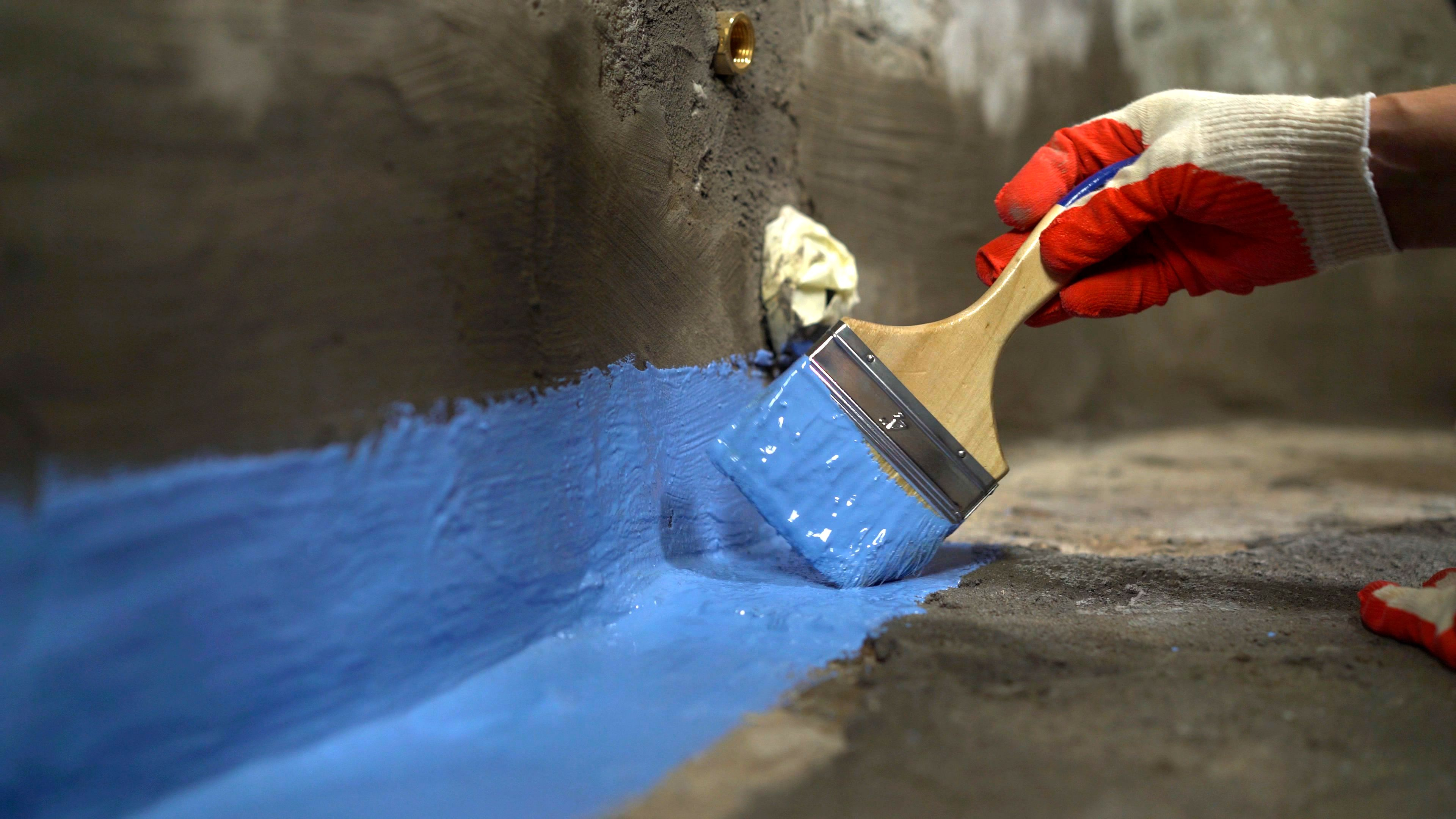



Top-rated basement waterproofing pros.

Best basement waterproofing pros near Mendota, IL

Enter your zip and get matched with up to 5 pros

Need a pro for your basement waterproofing project in Mendota, IL?

Select your specific project to find the pro for you.

Top-Rated Basement waterproofing pros in Mendota - Updated Nov 2026

Avatar for AccuLevel, Inc. - Northern Illinois
AccuLevel, Inc. - Northern Illinois
3.9(
215
)
Foundation, Basement or Crawlspace - Waterproofing / Encapsulation

Serving Mendota, IL and surrounding areas

Approved

In business since 1996

Free estimates

Warranties offered

"This is a great company to use in making a 141 year old basement waterproof. I look foreward to having a waterproo basemant. Craig was pleasant and went the extra mile to make the experience great."
Wall Anchors
Exterior Foundation Repair
Bowed Wall Foundation Repair AFTER
Horizontal Wall Crack BEFORE
Exterior Wall Anchors

+31

Response time4 days
62 neighbors recently requested a quote
Recommended by87%of homeowners
Avatar for Klock Home Services
Klock Home Services
New to Angi
Basement Drainage Channels - InstallBasement Drainage Channels - Repair

Serving Mendota, IL and surrounding areas

Approved

Free estimates

Emergency services offered

Warranties offered

Hi, I’m Kevin with Klock Home Services, proudly serving the Fox Valley area. I provide reliable, detail-oriented handyman and home repair services at fair prices. From furniture and drywall repair to minor carpentry, fixture installs, and general maintenance, I treat every project like it’s in my own home. Whether it’s a small fix or a larger task, you can count on quality work done right the first time.

Avatar for Crawlspace / Basement Waterproofing Solution
Crawlspace / Basement Waterproofing Solution
4.4(
256
)
Basement Drainage Channels - InstallBasement Drainage Channels - RepairFoundation, Basement or Crawlspace - Waterproofing / Encapsulation

Serving Mendota, IL and surrounding areas

In business since 1998

Free estimates

Credit card accepted

"I know of no other contractor who has total customer satisfaction as his top priority like Mr. Flanagan does. He is absolutely the best.
My basement sustained ankle-deep water as the result of an outdoor basement stairwell drain that violently backed up because its circa-1951 drain line led to the street storm sewer (by design). That sewer was overcome with water during a storm in the summer of 2010 that featured a tornado in my western-suburbs area. Soon after pumping the water out of my basement with a mobile pump, the mess prompted me to (once again*) call Mr. Flanagan (*His crawlspace crew had done a beautiful job finishing my dirt-floor crawlspace with a concrete floor and wall insulation a couple of years earlier).
After the basement waterproofing project described in this review was complete, however, I was disappointed with the workmanship: The concrete work looked less-than-professional (out-of-flush with sump flange and the stairwell drain, plus way too many swirl marks and splattering) in the stairwell and basement's appearance areas. In short, it just didn't look like his business's flawless concrete job that was done in my crawlspace just years earlier.
Mr. Flanagan agreed. With no questions asked, he immediately had a different crew come to my home, tear out all of the previously laid concrete and drain lines and replace it with the workmanship that he would expect his crews to use in their own homes. The re-do of the project at least had met my high expectations for its cosmetics. And, of course, I hoped it was a sufficient waterproofing solution for my basement.
Fast forward just a few short years. Affter having perhaps sustaining that 100-year event with the Chicago-area rain storm of April 17-18, 2012, while my neighbors are pumping water out of their basements, mine remains bone dry. Thank you Mr. Flanagan and Crawlspace / Basement Waterproofing Solutions for a job (design and installation) well done. Your basement waterproofing solution indeed deserves an A+.

"
Additional Photos
Additional Photos
Additional Photos
Additional Photos
Additional Photos

+13

Recommended by90%of homeowners
Showing 1-10 of 33
Basement Waterproofing FAQs, answered by experts

You’ll need to reseal the foundation every five to 10 years, depending on the sealant you’ve used, the moisture conditions present in and around your home, and the condition of your foundation. Having a foundation inspection conducted before reapplication can help you catch any problems before you begin resealing. Of course, if you notice any new leaks or other moisture problems at any time, it may be necessary to reseal the foundation sooner.

Whether to waterproof your basement from the interior or exterior depends on several factors, including your budget.

Exterior waterproofing is generally considered the superior method because it stops water at the source, preventing it from seeping into and damaging your basement walls. This approach offers the most protection, making it ideal if you use your basement for storage.

By contrast, interior waterproofing is often less expensive and requires less labor because the area is more accessible.

For maximum protection against water leakage and moisture, applying waterproofing measures to both the inside and outside is the best solution. However, if you must choose only one, stopping water from the outside is the most effective approach to preserve your foundation and prevent damage.

It’s not the number of weep holes that should be of concern to builders but rather their spacing. Weep holes are usually spaced anywhere between 16 inches on center when using round tubes or wicking materials and 24 inches on center when using open-head joints. This is a more conservative spacing than the 33-inch maximum spacing on center that’s mentioned in the International Residential Code. All in all, the total number of weep holes a brick exterior should have will depend on the size of the structure.

While "dry" mode on your AC can help reduce humidity levels to some extent, it may not be as effective as a dedicated dehumidifier, especially in areas with extremely high humidity or larger spaces. Dehumidifiers are specifically designed to remove moisture from the air more efficiently, making them a better choice for tackling persistent humidity issues.

Mold and other fungi love moisture, so the best way to prevent mold growth after water damage is to remove as much moisture as possible. First, find the source of the water or moisture, such as a leak or clogged gutters, and correct the problem. Next, remove standing water, vacuum up puddles with a shop vacuum, and run blower fans and dehumidifiers for 24 to 72 hours. Once you've removed all traces of moisture, disinfect the area using either vinegar or bleach to kill any remaining mold spores.

The Mendota, IL homeowners’ guide to basement waterproofing services

From average costs to expert advice, get all the answers you need to get your job done.