





Top-rated above ground pool installation pros.

Get matched with top above ground pool installation pros in Marshall, IL

Enter your zip and get matched with up to 5 pros

Need a pro for your above ground pool installation project in Marshall, IL?

Select your specific project to find the pro for you.

Find Above ground pool installation pros in Marshall

Avatar for American Home Shield – Home Warranty
American Home Shield – Home Warranty
3.5(
5,688
)
Above Ground Swimming Pool or Accessories - Repair or Service

Serving Marshall, IL and surrounding areas

In business since 1971

Credit card accepted

"One oven doesn't work at all ( my choice, see above), the "working" oven was never calibrated properly so using it is hit or miss. It's time to call American Home Shield to see about replacing the entire unit. I'm waiting to finish other home projects before calling them. I don't know if I'll request Greenway again."
Additional Photos
Additional Photos
Additional Photos
Additional Photos
Additional Photos

+2

Recommended by65%of homeowners
Install Above Ground Pools questions, answered by experts

Yes, pool pumps use a significant amount of electricity, making them one of the biggest energy consumers in a home. A pool pump can use up to three times as much electricity as a refrigerator. Typically, a residential pool pump consumes about 1 kilowatt-hour (kWh) for every hour it runs. Because pumps often need to run for about eight hours a day to properly filter the water, this can add up to an annual consumption of 3,000 to 5,000 kWh, which can cost between $480 and $800 per year based on average electricity rates.

The amount of electricity your pump uses depends on its size, energy efficiency, and daily run time. To lower your energy consumption, you can choose an energy-efficient or variable-speed pump, ensure it is correctly sized for your pool, and run it only for the minimum time required to keep the water clean.

Infinity pools do require slightly more maintenance than other pools because you’ll need to constantly monitor the water level. If the water level is out of whack, it won’t correctly flow over the edge, which gives the pool its infinity look. 

That said, the rest of the maintenance is largely dependent on the type of material you choose. Concrete needs a little extra care to prevent algae growth, and you will eventually need to resurface it. Fiberglass and vinyl liners are algae-resistant but they’re not as durable.

Both above ground and inground pools can have pool liners. Inground pools made of gunite don’t need pool liners, and you’ve probably walked along an unlined pool and felt the ripples and ridges on the floors and walls. But adding a liner over gunite or other pool types helps protect the wall panels from algae growth.

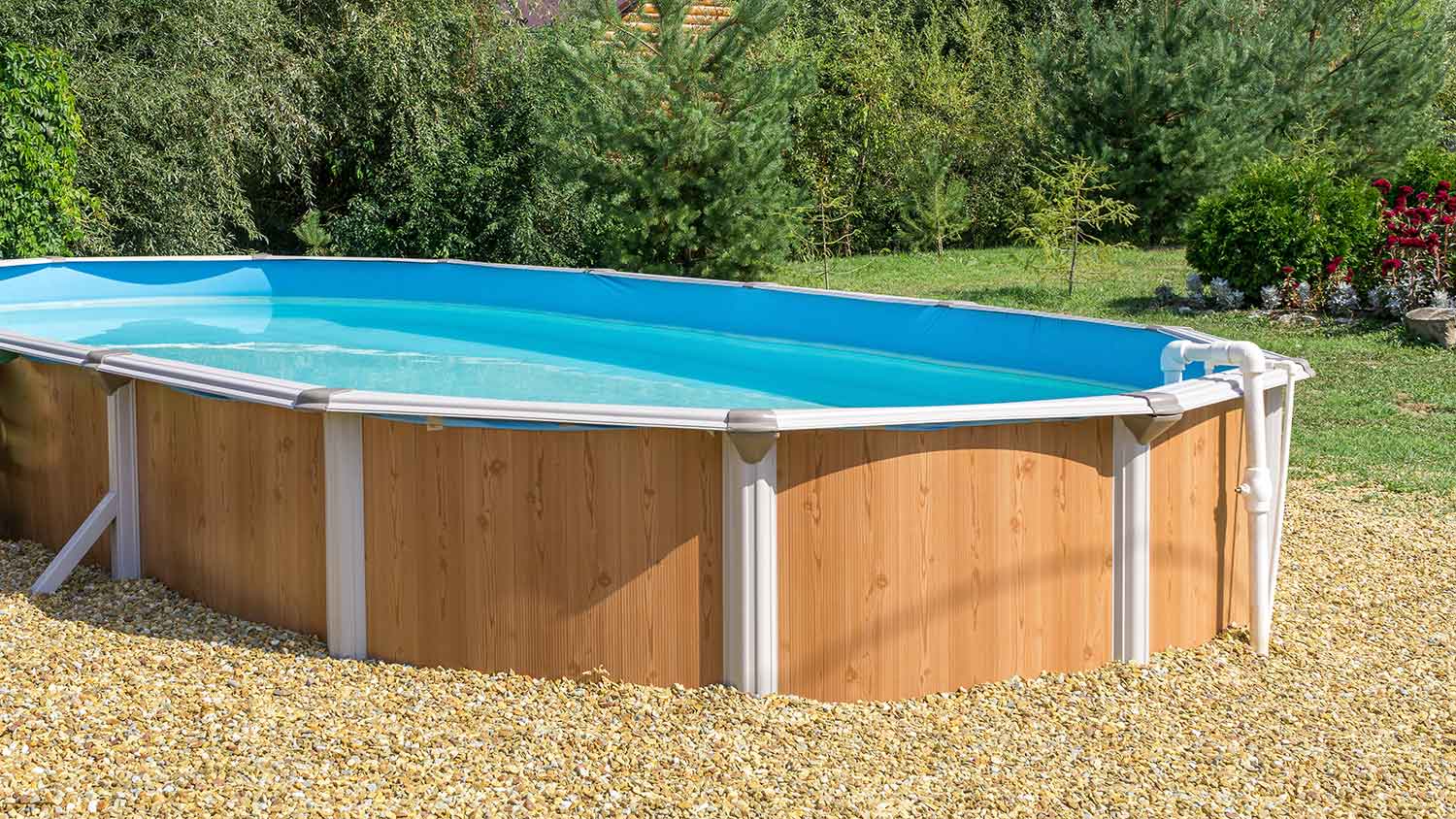
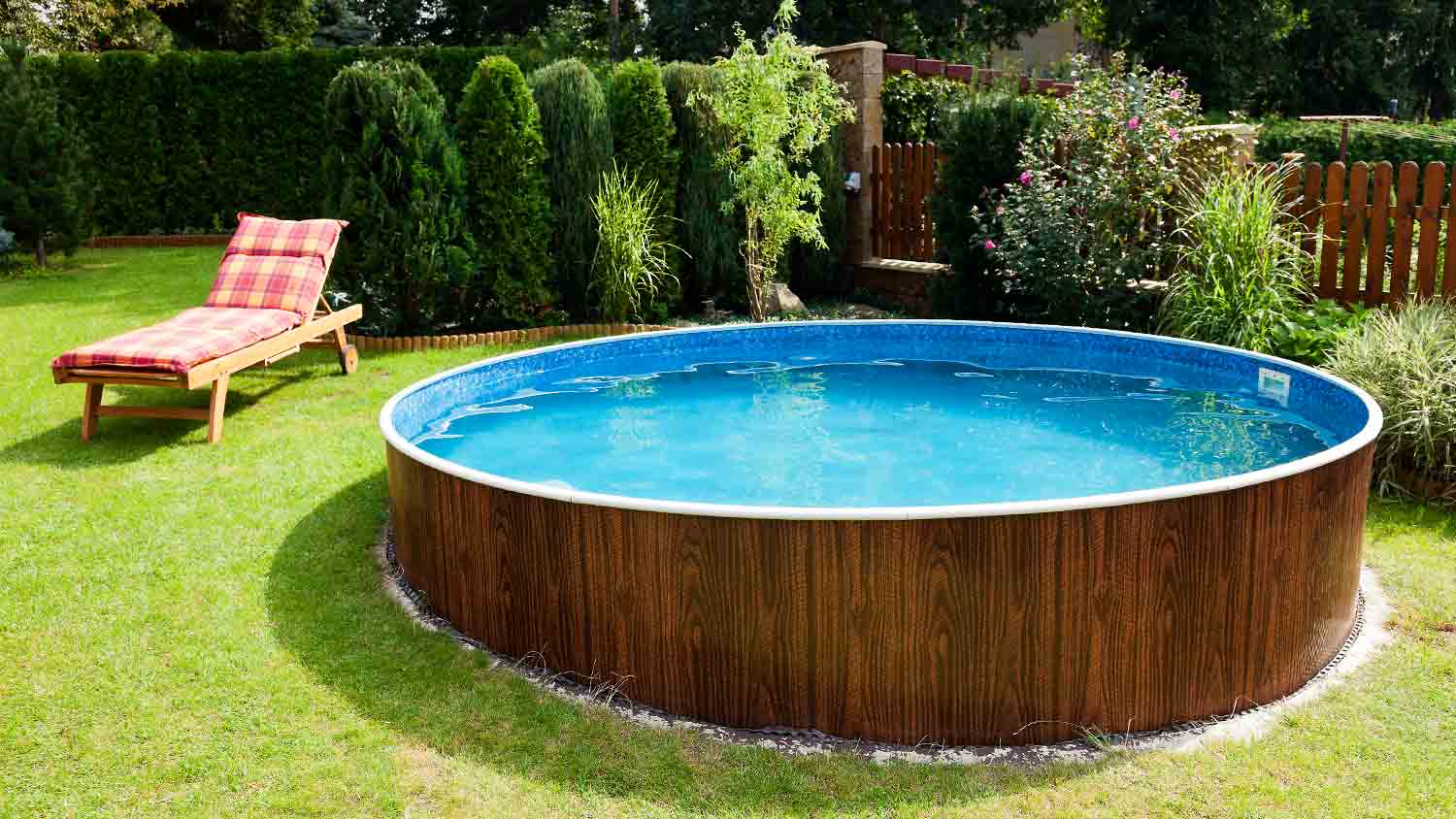
Above ground pools are not buried in the ground. Typically, above ground pools are semi-permanent. One reason they’re more affordable is that you don’t have to dig for an inground pool and pour concrete or another material. However, you can choose to install a semi inground pool, which is a hybrid between the two.

There are some disadvantages to a salt water pool. Besides costing slightly more than chlorine pools, salt water pools require a lot of salt. It's also harder to find a professional with salt water pool experience to do minor maintenance and repairs. Salt water can also damage some materials, so you’ll need to use specific heating, fixtures, lighting, liners, and masonry when building a salt water pool.

The Marshall, IL homeowners’ guide to above ground pool installation services

From average costs to expert advice, get all the answers you need to get your job done.