





Top-rated drywall pros.

Get matched with top drywall pros in Hanover Park, IL

Enter your zip and get matched with up to 5 pros

Need a pro for your drywall service project in Hanover Park, IL?

Select your specific project to find the pro for you.

TRUSTED BY HANOVER PARK, IL HOMEOWNERS

  • Average homeowner rating star icon4.6
    Average homeowner rating
  • Verified reviews icon419
    Verified drywall services reviews

Find Drywall pros in Hanover Park

Avatar for Luviano's Company
Luviano's Company
4.9(
76
)
Drywall - InstallDrywall - RepairDrywall - Install - For Business+1 more

Serving Hanover Park, IL and surrounding areas

Approved

In business since 2015

Free estimates

Credit card accepted

"We are so glad we hired Eddie and his Team for our basement drywall installation! They completed the drywall for our bathroom and around our mechanical area. We reached out for a quote and Eddie came out that same week, and was able to start our project within a few days. They were very professional and did an amazing job cutting the drywall to the basement ceiling (we will be doing a blackout ceiling). We will absolutely be calling them when we are ready to proceed with the next portion of our basement!"
Response time2 days
5 neighbors recently requested a quote
Recommended by95%of homeowners
Avatar for The Patch Boys of Cook County
The Patch Boys of Cook County
4.5(
130
)
Drywall - Repair

Serving Hanover Park, IL and surrounding areas

Approved

In business since 2016

Free estimates

Credit card accepted

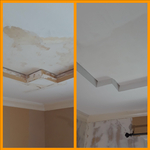
"Patch Boys did an outstanding job repairing the drywall cracks in my home. The worker (Juan) showed up on time and stayed until all the work was completed to my satisfaction. Once all work was completed he cleaned up all work debris."
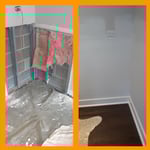
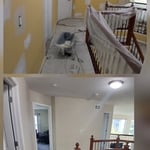
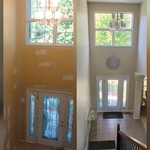
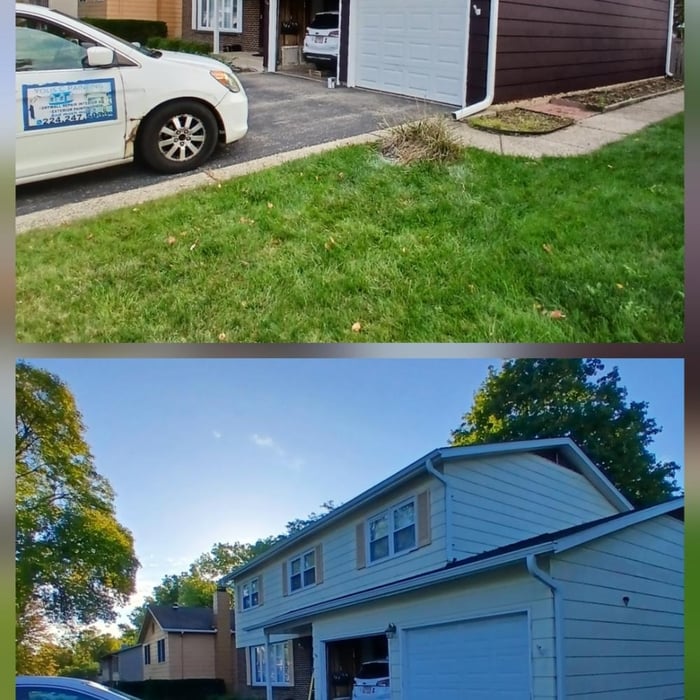
Before and after
Before and after
Before
After
Kevin

+8

Response time9 hrs
Response rate91%
62 neighbors recently requested a quote
...
Showing 1-10 of 646
Drywall questions, answered by experts

If you only have tiny holes in your drywall (for example, dents or nail marks), you probably won’t need a patch kit. Instead, you can plug the hole with a small amount of spackle. Once the spackle dries, you can sand the area and paint over it—just like you would in the steps outlined above.

Most drywall used for interior walls of homes is 1/2-inch thick. This size strikes a balance of being easy to handle and hang while being thick enough for the durability needed on interior wall applications.

When you are learning how to tape and mud drywall, waiting for things to dry requires a lot of patience. So how long does drywall mud take to dry? On average, it takes about 24 hours. However, it depends on things like the thickness of the mud, as well as the room’s temperature, humidity, and ventilation. Using thin layers of mud in a warm, low-humidity room with good airflow reduces average drying time. You also could speed up drying time by making use of hot drywall mud, which consists of a powder that you mix with water, instead of using pre-mixed mud. 
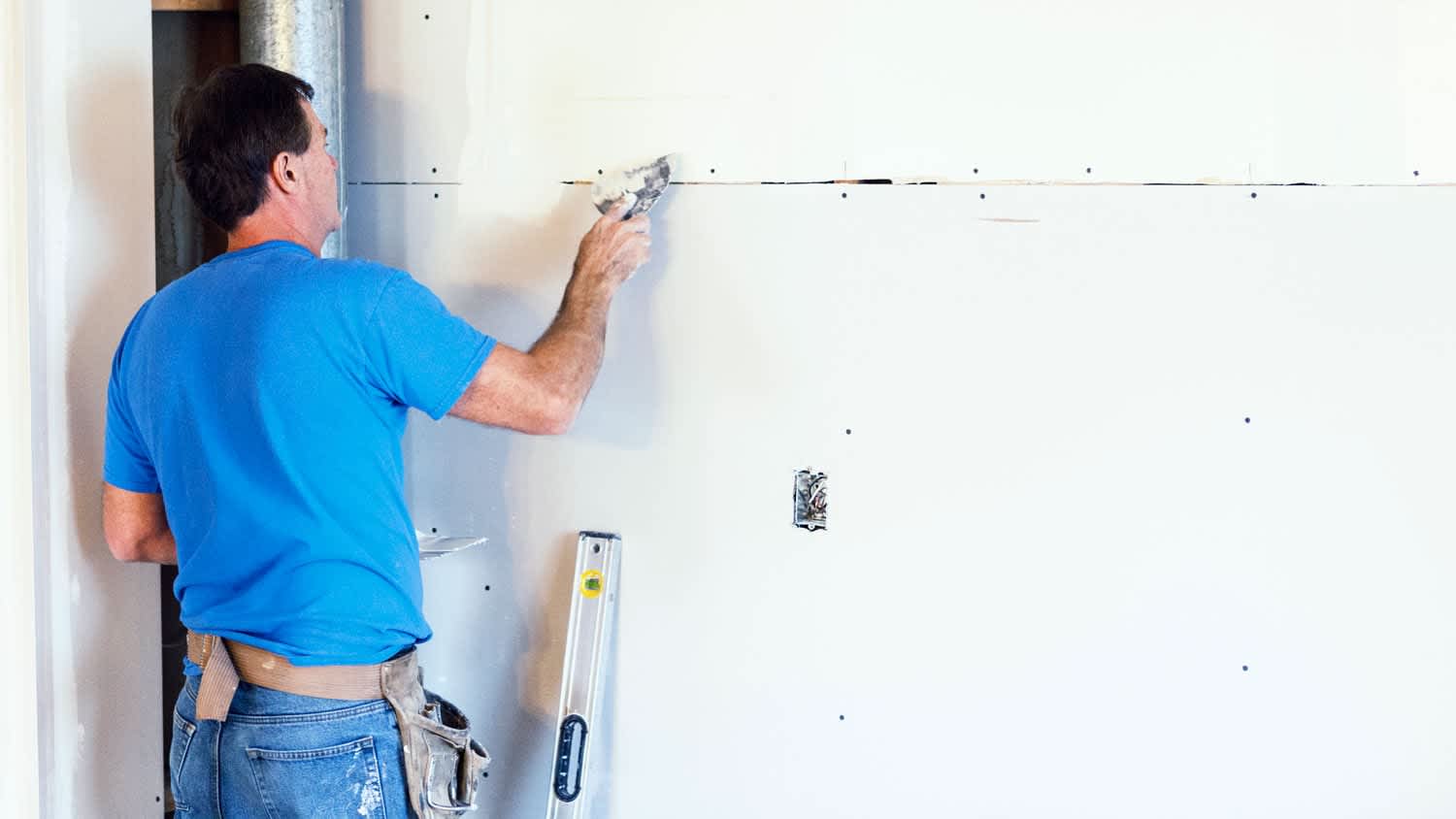
Both plaster and drywall are durable wall finishes, but they differ significantly in installation, cost, performance, and aesthetics.

Installation & Cost: Drywall installation is faster and more affordable, typically costing $1.50 to $3 per square foot. It uses premade sheets, making it a more accessible DIY project. Plastering is a labor-intensive craft that requires specialized skills, pushing costs to $2 to $10 per square foot. It involves applying a wet paste over a lath framework.

Durability & Performance: Plaster is generally more durable, longer-lasting, and provides superior soundproofing. It is also a better insulator, which can help reduce energy costs. Drywall is easier to remove for future renovations.

Aesthetics: Drywall provides a smooth, uniform surface ready for paint or texture. Plaster offers a high-end, naturally textured look that can hide imperfections and is often preferred for achieving a classic or historic aesthetic.

Which is better? The choice depends on your priorities. Drywall is ideal for those prioritizing a lower upfront cost, faster installation, and DIY potential. Plaster is the better option for a higher-end project where durability, soundproofing, and a unique, premium finish are more important than the initial cost.

You’ll get better results if you soundproof the whole wall. A hole through which light can pass can also let sound waves in. Acoustical or silicone sealant applied to holes and cracks can block enough sound to make a difference. However, the more layers absorb vibrations and slow or stop sound waves, the less noise you’ll have. 

The Hanover Park, IL homeowners’ guide to drywall services

From average costs to expert advice, get all the answers you need to get your job done.