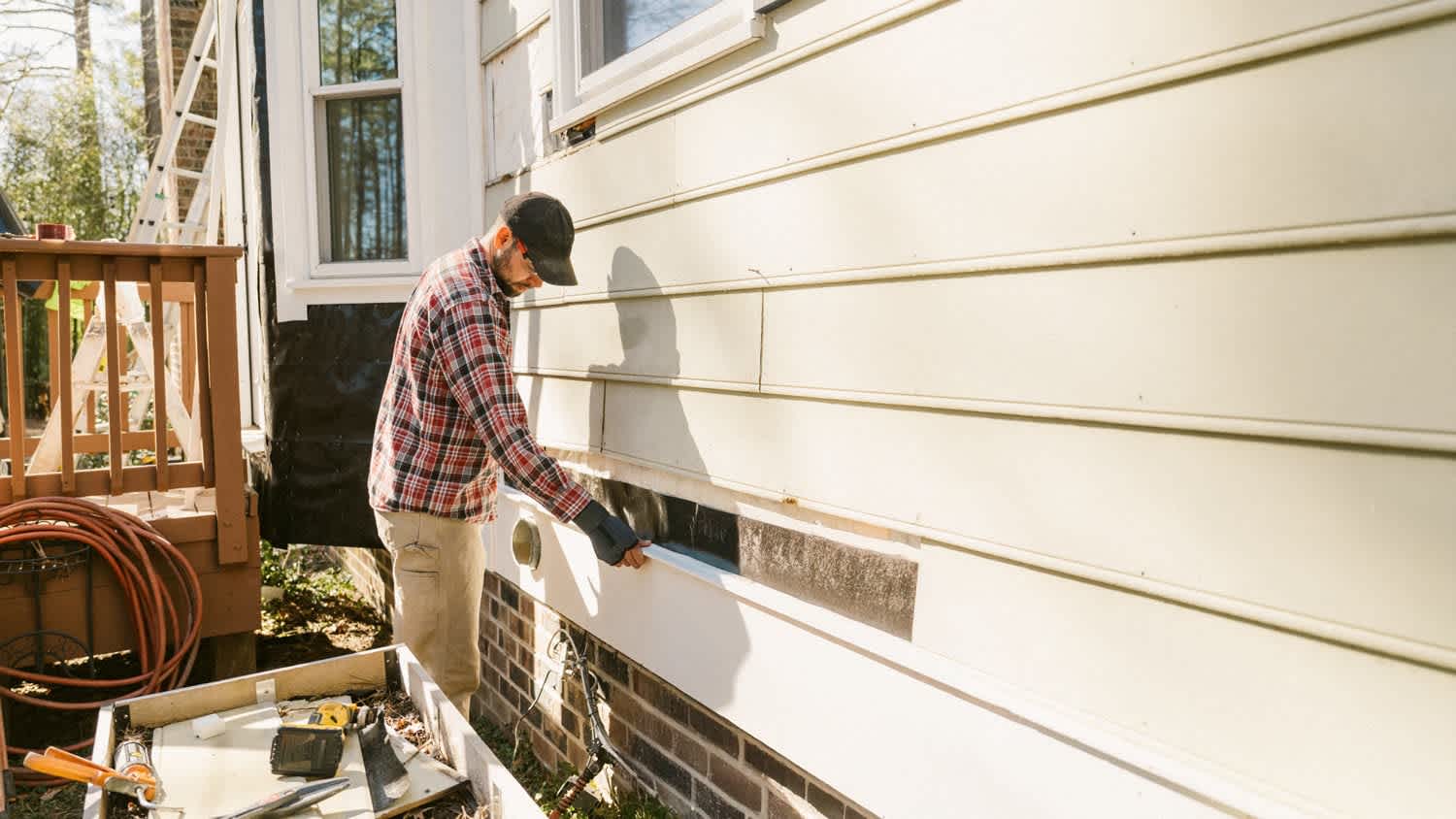
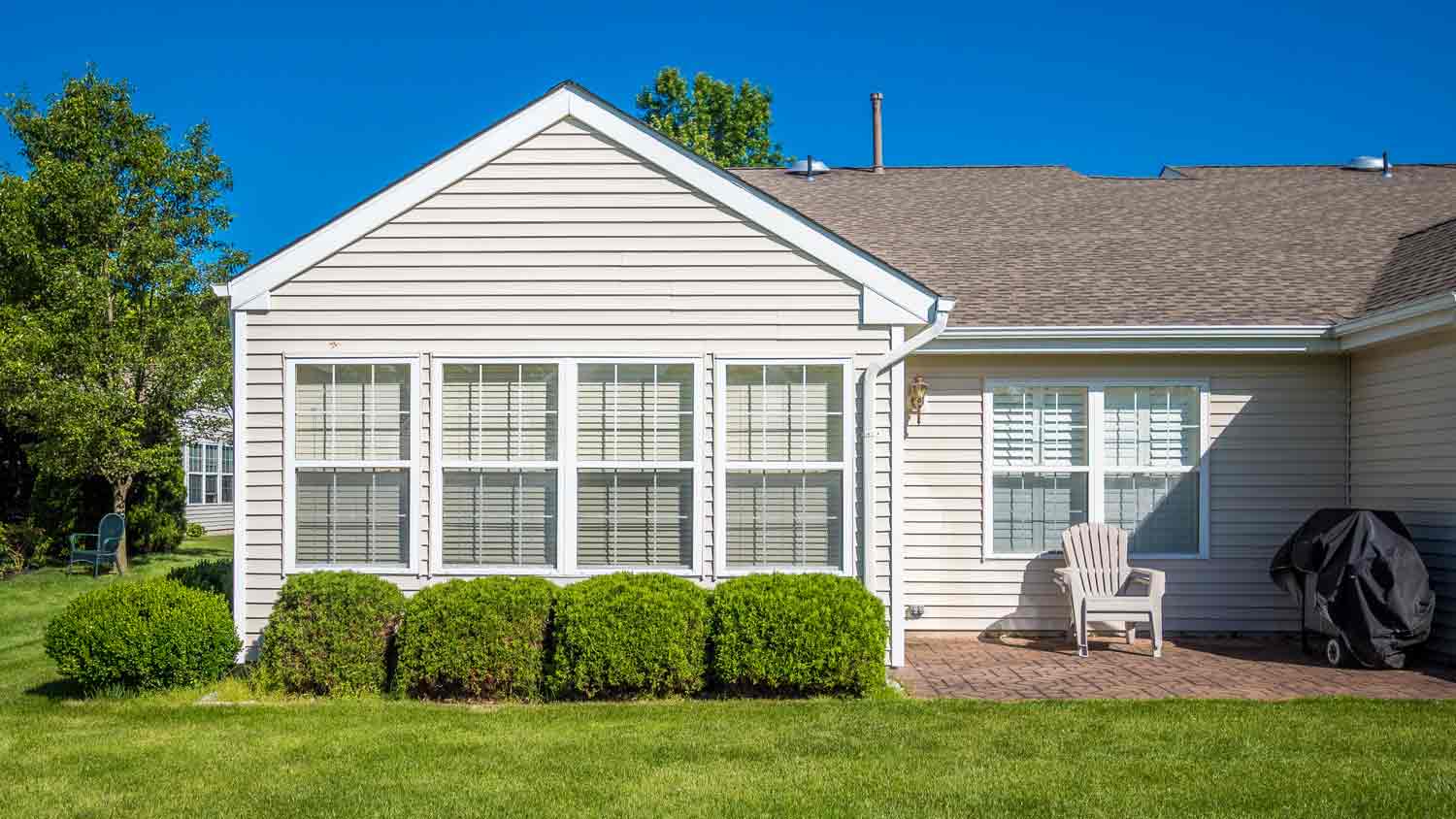
The necessary frequency of mold cleaning in your home will depend on several factors, including the climate, the presence of moisture sources, and the type of siding. It's generally recommended to inspect your siding regularly and clean any mold growth as soon as it appears to prevent it from spreading or causing damage. If you’re not sure how often you should clean mold off siding, you can always contact a siding contractor near you to consult on what maintenance schedule will work best for your home.
This is a tricky answer because how fast you work, how large your team is, and what type of siding you install will all determine your total time. One person placing bricks around an entire house can take weeks, but a team of 10 could complete the job in just a few days. Installing siding is a job that’s best done by a pro, as they are experienced and will perform solid work. A rough guideline for DIYers is to budget 15 minutes per square foot of siding.
Vinyl can withstand many different cleaning methods, but there are two things you need to be wary of. First, particularly harsh chemicals will damage your vinyl siding and reduce its lifespan. Second, be careful about pressure washing your vinyl siding. Vinyl can resist powerful washing damage more than softer siding like wood, but high levels of pressure can still crack it. Use the lowest level of pressure for power washing vinyl, or hire a siding professional to do it.
Composite siding has excellent insulative properties and one of the highest R-values of siding materials available. Its R-value is 2 to 4; compare that to vinyl, wood, and fiber cement—all of which have R-values under 1. You can boost your siding’s R-value by installing a layer of foam insulation.
Some homeowners use caulk on the edges of clapboard siding to help seal it. However, this method invites new problems. With so many gaps sealed, clapboard siding is often unable to drain properly and moisture from rain or other sources can build up inside. This can lead to rot and other issues over time. When repairing clapboards, it’s best to avoid caulking the final product. The exception is trim around windows and doors, which should be caulked to avoid moisture problems.
The Grafton, IL homeowners’ guide to siding services
From average costs to expert advice, get all the answers you need to get your job done.
Find out the average metal siding installation cost in St. Louis, MO. Learn what you can expect to pay for materials and local labor for your home exterior.
New siding makes a home in St. Louis look new and polished while protecting against water damage. Learn about vinyl siding installation costs in St. Louis.
Siding is a critical part of keeping your home protected from the elements and looking great. Learn what siding on a house is, how long it lasts, and what it costs.
Learn who to call when you need to replace or install the siding on your home. Choose a professional who will install your siding correctly and safely.
Hiring the right siding contractor can make this project go smoothly. Learn how to hire a siding contractor, what to ask, and what red flags to look for


 4.8
 130