
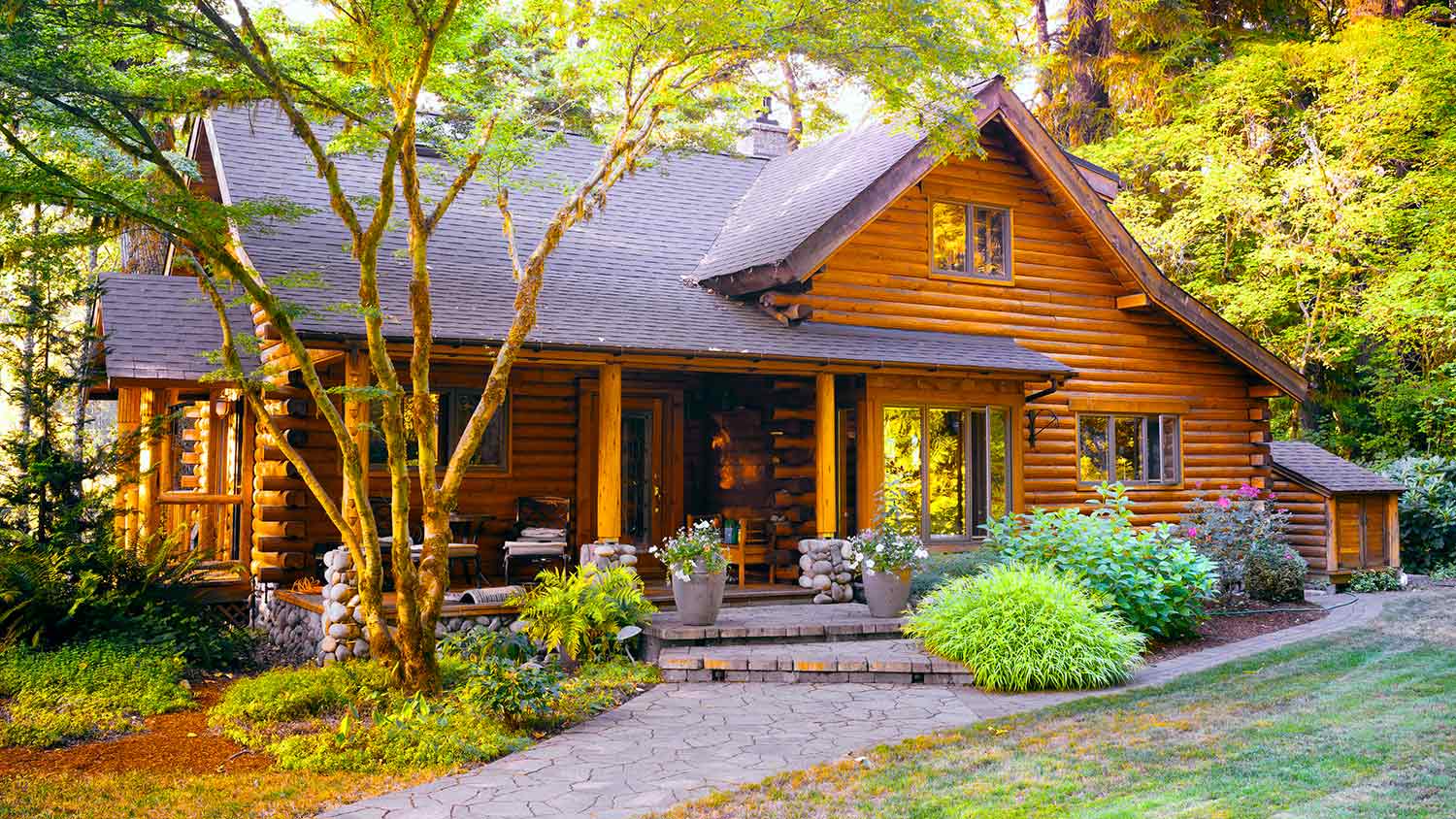
Love the rustic look of log cabins but want a more durable siding? Use this vinyl log siding cost guide to see if this is a good alternative for your home.
Wood vs. vinyl siding—it’s time to square off


Wood siding offers authentic grain and rustic appeal for your home, while vinyl siding provides wood-look vinyl siding options with lower maintenance needs.
Wood siding costs $2 to $6 per square foot, while vinyl costs $2 to $3 per square foot for materials, making vinyl the more budget-friendly choice.
Vinyl siding lasts 60 years or more with minimal upkeep, while wood siding lasts 20 to 40 years and requires regular painting or staining.
Hiring a local siding professional provides supportive guidance on material selection and ensures your installation stays on track with proper techniques and finishing.
Don’t underestimate the importance of your home’s siding. From protecting your house from the elements to making a first impression on guests, siding plays a key role in the look and function of your home. Wood and vinyl are two of the most popular options for exterior siding today. To help you decide the right material for your needs, we’ve broken down the pros and cons of wood and vinyl, including their durability, maintenance needs, costs, and more.
Wood and vinyl siding may look similar from afar, but up close, they’re very different. Wood siding costs more than vinyl and requires significantly more maintenance, but provides an authentic, classic aesthetic. Vinyl siding is durable, low-maintenance, and budget-friendly, but is less eco-friendly and doesn’t quite mimic the look of real wood.

Real wood is a siding option that offers a more rustic appeal with genuine wood grains. It’s a timeless style that will likely never go out of fashion, especially if you’re designing a traditional-styled home like a cottage, bungalow, or Cape Cod house. Below are some of the advantages and drawbacks that come with choosing wood siding.
| Pros | Cons |
|---|---|
| Holds up to temperature fluctuations | Prone to water and pest damage |
| Eco-friendly | High-maintenance |
| Wide variety of wood types and plank sizes | Can warp from humidity |
| Authentic wood grain | Complex and expensive installation |
Best For: Traditional, rustic homes
Not affected by extreme changes in temperature
Harvested sustainably and biodegradable
Available in a wide array of plank sizes and styles
Features the look of real wood grains
Can be charred to create shou sugi siding
Susceptible to water damage, termites, and other wood-eating pests
Requires more frequent, time-consuming maintenance
Tends to warp and bend with changes in humidity
More complex installation
More expensive at $2–$6 per square foot
“We’ve worked on several historic homes, where you must use wood siding,” says Bob Tschudi, Expert Review Board member and North Carolina-based home builder and remodeler. “For those projects, we used untreated cedar lap siding and then painted it. Cedar is more expensive than pine, but it will resist rot and insects better than pine.”

Vinyl has become the most popular and widely used siding material for many residential home styles, thanks to its durability and the general lack of maintenance required to keep it looking good and functioning as intended. Below are some of the key pros and cons of vinyl siding.
| Pros | Cons |
|---|---|
| Easy to install | Prone to cracking |
| Low-maintenance | Can be damaged by extreme heat |
| Resists warping from humidity and pests | Less eco-friendly |
| Budget-friendly | Less realistic wood grain look |
Best For: Budget-conscious homeowners
Easy installation with no painting
Fewer maintenance requirements
Won’t warp due to humidity or moisture
Lasts 40 years or more
Won’t be eaten by insects or other pests
Lower in cost at $2–$3 per square foot
Can crack in extreme cold
Can melt in extreme heat
Not sustainably manufactured or biodegradable
Faux wood grain is less realistic
“When we do vinyl siding, we always order more and put the extra materials in the attic, garage or crawl space,” says Tschudi. “We also write the manufacturer, the product codes, and the color on the extra materials and provide that information to the homeowner. That way, if they need to replace it, they can find the exact match.”
Wood and vinyl siding tend to look similar from a distance, but they are very different in both form and function. We break down the differences between each across several categories to help you decide which might be the better choice for your home’s exterior.
Wood and vinyl siding are both available in a range of styles, allowing you to create traditional horizontal layouts, overlapping shingles, or more decorative looks. Wood offers more versatility when it comes to plank sizing, and real wood grain cannot be perfectly replicated by vinyl’s faux grain designs. Even so, vinyl still offers a huge range of colors to suit any design style.
Wood siding tends to swell and contract slightly with changes in temperature and humidity. In extreme cases, this can cause it to warp. Wood is also susceptible to infestations of termites and other pests that eat it, which can lead to long-term structural damage. Some types of wood are less vulnerable, and treatments are available, but vinyl siding is far less susceptible to pests.
Vinyl will also not expand, contract, rot, or warp due to moisture. This makes it a more versatile choice in most climates than vinyl siding alternatives like wood. However, homeowners should be aware that vinyl siding may still crack in extreme cold and melt in extreme heat or when too close to a grill. Vinyl can also become brittle if the weather fluctuates between temperature extremes throughout the year.
“We recently purchased a rental property that has vinyl siding, and we’re very happy about that,” says Tschudi. “In the past four years, we’ve replaced the HVAC, the water heater, and the refrigerator, but the siding has been bulletproof.”
The style of the siding and the species of wood used can impact the price of wood siding. For example, a softwood like pine can cost as little as $1 per square foot, while the average hardwood siding costs $14 to $15 per square foot. In general, however, wood siding tends to cost more than vinyl siding.
When comparing the average costs of different types of siding, wood siding costs $2 to $6 per square foot, while vinyl only costs $2 to $3 per square foot. Other cost factors include finishing and maintenance. Wood requires a paint or finish after installation and needs more frequent maintenance over time. Vinyl does not need paint and needs less maintenance. Both kinds of siding can increase your home’s value, but vinyl has a much lower up-front cost.
Vinyl siding is designed so that once a bottom row is nailed into place, the rest of the planks or shingles simply lock into one another without the use of fasteners. It also does not need to be sanded, primed, painted, or stained, and can be cut to size easily with basic shears.
Wood siding takes longer to install, as each board must be cut with a saw and then primed or painted before being nailed into place. This increases labor time and costs when you hire local siding contractors to complete your installation.
Both wood and vinyl siding require maintenance, but wood siding tends to require more. Wood needs maintenance from the time it is installed, requiring an immediate finishing treatment to seal it and help protect it from pests. It must also be painted or stained again every few years to repair peeling and help prevent wood rot and damage to the home’s structure. If the wood rots or gets damaged, you’ll want to hire a siding contractor who specializes in wood siding to ensure repairs are done properly.
Vinyl needs much less maintenance, requiring no sanding, scraping, or refinishing at any point. It comes treated with color by the manufacturer and has its finished look before installation. Boards may occasionally detach and drop off the house or become cracked and warped, but otherwise, maintenance is as simple as rinsing the siding down with rag and soapy water.
If wood siding is maintained properly and rot doesn’t set in, it tends to last 20 to 40 years. Vinyl is more durable. The lifespan of vinyl siding can be 60 years or more with less maintenance than wood.
Without any insulation, wood siding has an R-value of 0.81 to 0.87, while vinyl siding has an R-value of 0.67. Both materials can have an R-value of 3 or 4 if you install a layer of foam insulation underneath the siding, which is highly recommended as proper insulation will keep your energy bills down.
Note that if your vinyl siding is being used as a rainscreen, it cannot have insulation behind it.
Vinyl siding is made from a type of plastic. The manufacturing processes used to create it require enormous amounts of energy and may release harmful chemicals into the air. It can be recycled after use, but it can be difficult to find recycling centers that accept it. As a result, leftover materials often end up in landfills, unable to break down over time.
In contrast, wood siding creates a lower impact on the natural environment. Sustainably harvested wood siding is a biodegradable building material that won’t sit in landfills for years after use.
Choosing the right siding for your home depends on your budget, desired aesthetics, and willingness to maintain the material. Vinyl siding is the most common type of siding in the U.S., but many homeowners prefer the authentic rustic appearance and eco-friendliness that wood provides. A siding contractor can help you decide which siding material will work best for you and your home.
The guys at PaveWay are top notch. From the estimate to the job being completed,all was done in a timely and professional manner. I myself was a DOT Engineer Inspector(know what to look for) and got to talking with Cameron and he himself was a Contract inspector for a few years,same job as...
 All Star Paving and Sealing
I highly recommend KTM construction! I will look no where else for anything that needs to be done, in or out side of our property. The level of craftsmanship is 5 star service across the board! The level of detail, knowledge and professionalism is 5 star service across the board! Ken is a...
 KTM Construction, LLC
I purchased the "Big Deal": $199.00 for exterior pressure-washing of one- or two-story home up to 2,000 square feet. They cleaned the siding only. I wasn't aware when I bought the Big Deal that they would not do any other surfaces other than the siding (i.e. sides of the gutters or stucco). I...
 Complete Home Services
This brownstone is historical and the carpentry work is very detailed. I was very happy to secure a company in NY and living in OH to complete the request. Wood work on this brownstone has been existing since approximately 1888 and West side did a GREAT JOB. I will not be able to...
 Westside Home Improvement
Nice group of workers, very friendly. Day 1 covered everything before starting, seemed very organized. Things seemed to be going great. Day 2 they didn't show up until around 10:00a.m. and work crew was cut in half, was told they had another job. Day 3 they didn't show up until around...
 CertaPro Painters of Columbus
The work went great! Couldn't ask for better. Joel set a work start date. About the time of the storms that may have been associated with Sandy. He was half a day late. They set up on a Thursday. On Friday they had a full crew at work. By Monday they were finishing up. Now, the best...
 NJW Construction
A few months ago, a tree branch fell across my car, leaving a series of dents across the hood and driver's side fender. I took it to Rife's after reading the Angie's List reviews. Rife's did a great job! My car looks like new. And they made the process as easy as possible. When I came in...
 Rife's Autobody Inc
I received an email from Angie's List offering Car Detailing 4 U's services for $99. Coming from Angie's List, I expected this to be a highly dependable and qualified company that was known for doing exceptional work. I set the appointment for them to come to my home. They were arrive at...
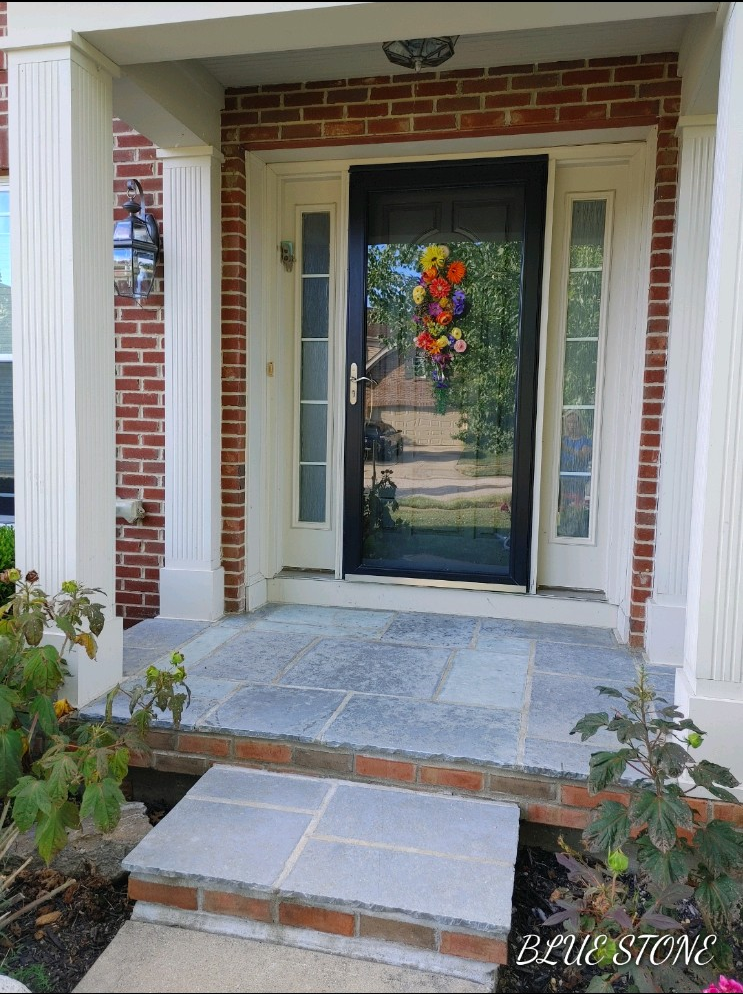
We first had Mark fix the back patio and liked his work so much we had him make a brick patio on the side of the house. When we decided to change our concrete walkway to brick, we wanted Mark to do the job because his prices were fair and he did such good work on t he other two projects.
 Mark Monnette Masonry
I was very pleased with the cost and end result. I truly expected this job to cost me 50% more than it did. When you factor quality and cost, I would highly recommend Mark's services and plan to use him in the future. The best part was, I asked Mark to match the paint color in one section...
 Fresh Touch Custom Painting Inc.
From average costs to expert advice, get all the answers you need to get your job done.
Love the rustic look of log cabins but want a more durable siding? Use this vinyl log siding cost guide to see if this is a good alternative for your home.
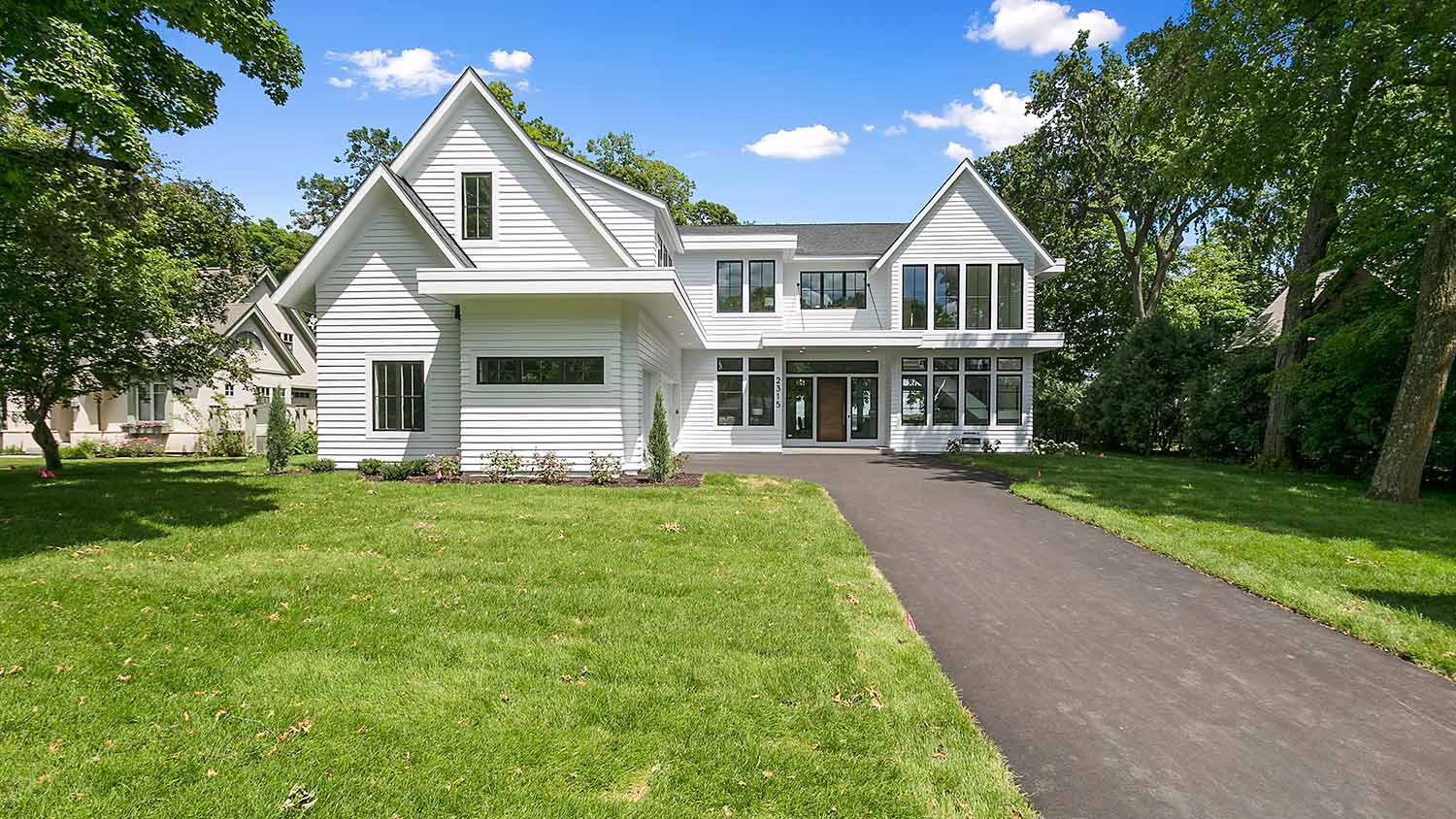
Not sure how much vinyl siding costs? To prepare your budget for an upcoming siding project, read on to learn about average supply and labor costs.
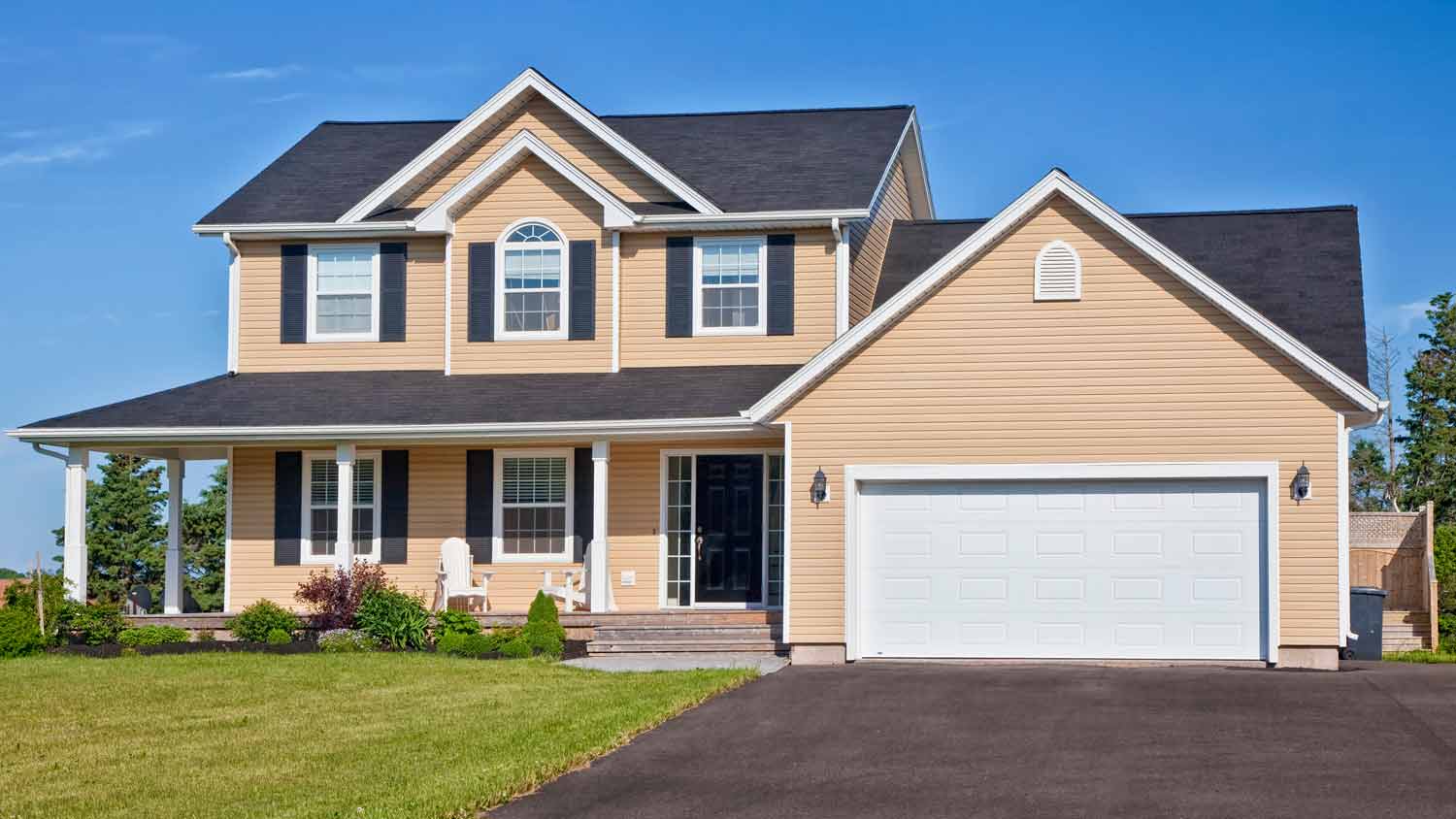
The cost to paint vinyl siding depends on the type of paint, square footage, labor, and more. Check out this guide to help you budget for painting vinyl siding.
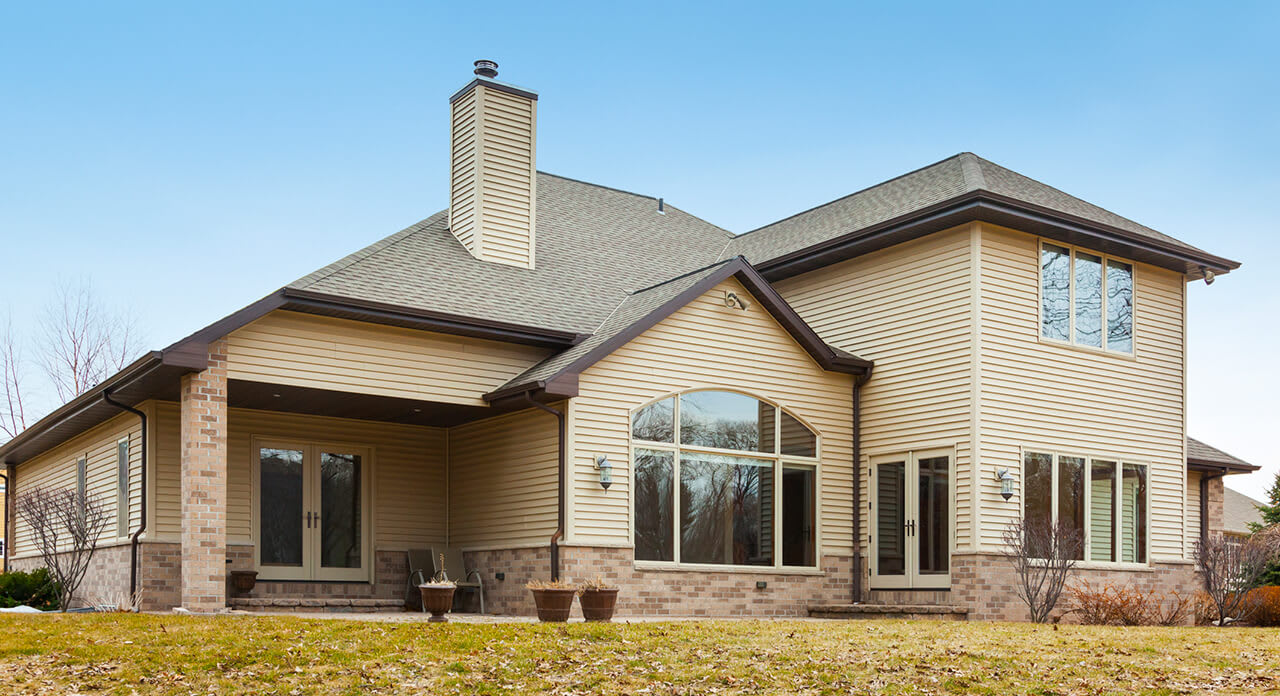
If you’re considering adding vinyl siding to your home, you may wonder: How long does vinyl siding last? Learn everything you need to know in this guide.
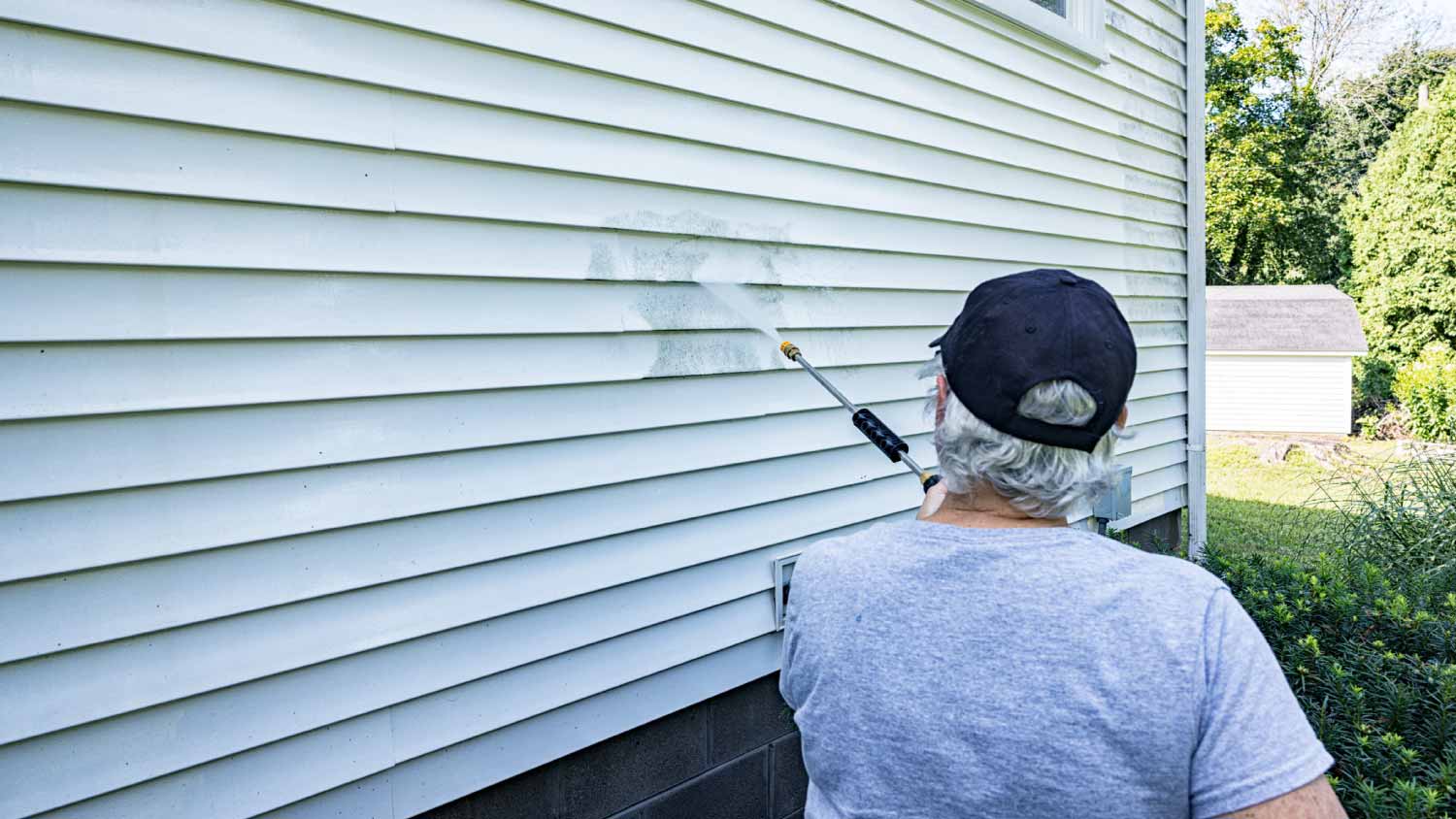
Not sure you want to go with the standard siding material for your home? Learn about vinyl siding pros and cons to see if there’s a better option.
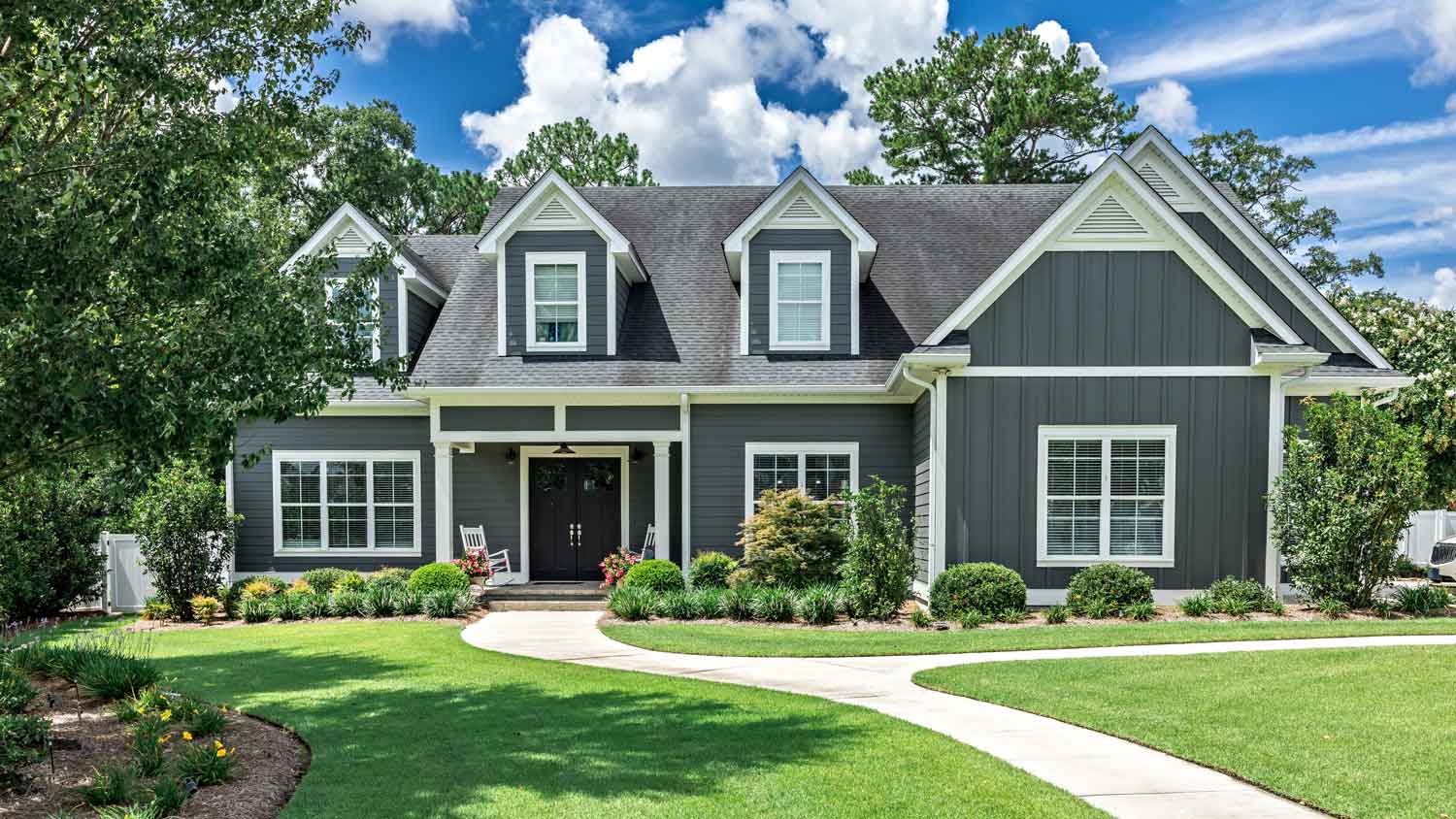
Understanding wood siding pros and cons will help you decide if this maintenance-heavy but timeless and versatile material is right for you and your home.