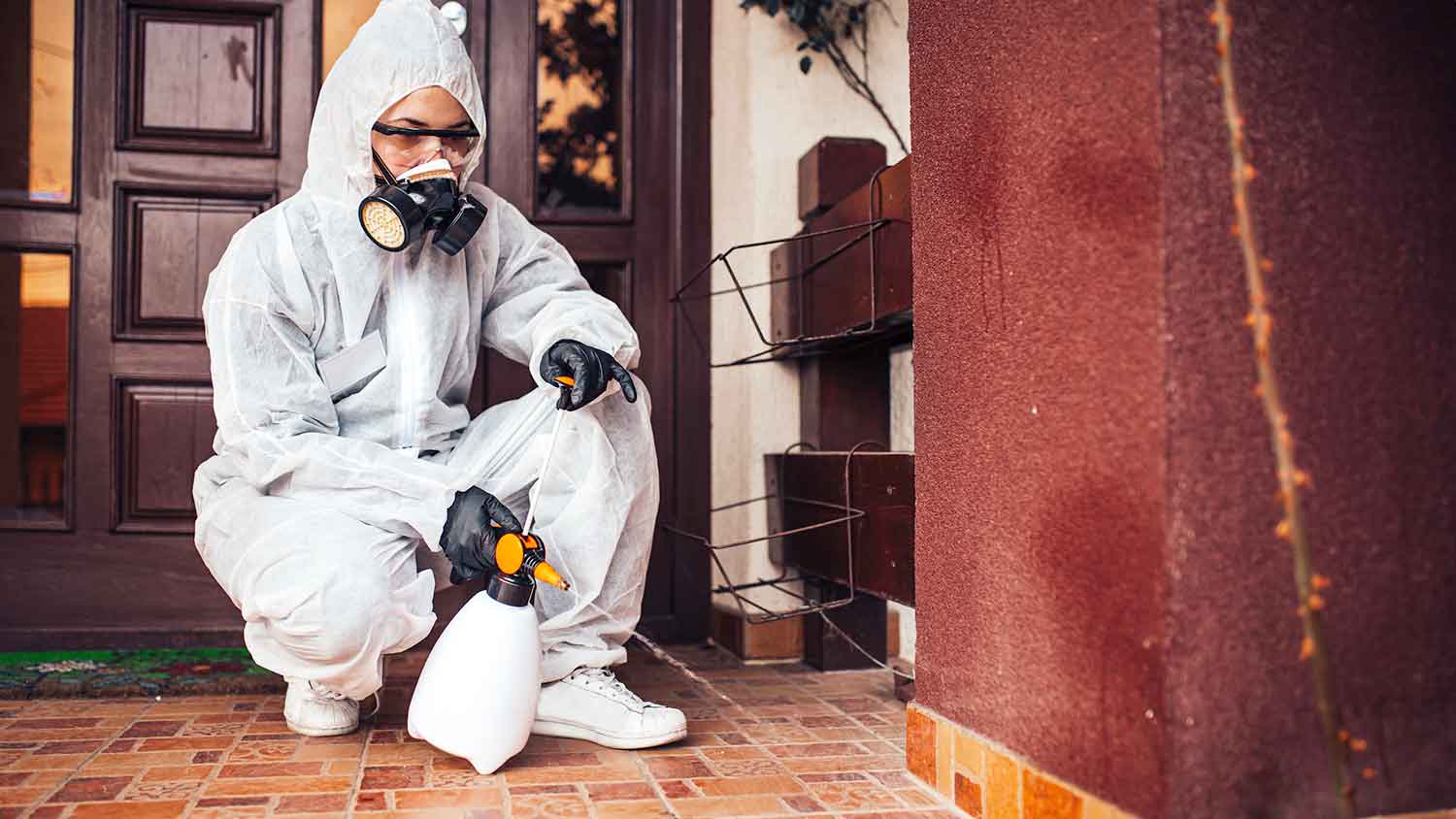
When pests show up, so do we.\n\nFor nearly a century, Terminix® has been one of America's most trusted names in pest control. Every day, our exterminators serve thousands of homes and businesses nationwide, combining national service with local knowledge to provide best-in-class, proactive pest management solutions. We stop problems before they start and respond quickly if issues arise, keeping your property protected.\n\nAnd for extra peace of mind, if pests come back, so do we — guaranteed.\n\nThe Terminix It Guarantee means that if pests come back, so do we, to re-treat at no additional cost. No excuses, just a commitment to care for your home like it's our own with protection you can trust.
"From sales, termite application, and pest control Price Termite & Pest Control where professional and friendly. I was able to watch the treatments and they were exactly what was explained to me in my first meeting - no deviation or shortcuts. I highly recommend this company"
"I have a contract with them so I have to use them again. It pays for itself eventually if you get good repair people. You don't control who they send."
When it comes to protecting homes, Terminix has satisfied more customers than any other insect and pest control company in the industry, with more than 15 million service visits annually.
If you’re wondering whether pest control services are safe, rest assured that they are if you hire a licensed and experienced exterminator. Professionals are trained to use EPA-approved products in controlled amounts and apply them in targeted areas to minimize exposure to people and pets. Plus, many modern pest control methods are designed to be low-risk while still effectively eliminating pests like scorpions. If you have concerns about chemicals, ask your exterminator about eco-friendly or integrated pest management (IPM) options, which focus on prevention and minimal pesticide use.
Besides reptile sightings, look for droppings resembling small pellets. Shed skin left behind during growth is another clue. Unusual chirping or rustling sounds could also suggest an infestation. If unsure, consulting a professional can provide accurate identification and effective solutions for managing the situation. If proper pest prevention measures aren't taken, a lizard can live up to five years. And that's a long time to have an undesirable roommate.
Unless foxes are a major threat or nuisance, living peacefully alongside them is often better. Reclusive foxes are rarely a risk to humans, and they can help keep rodent populations at bay and boost biodiversity in your yard. Plus, if you are a wildlife lover, there is the simple privilege and pleasure of watching a fox family interact right on your doorstep.
Raccoons should be removed in most cases, especially when they’ve made their way indoors. Even if they seem harmless, raccoons are wild animals that can damage your property and potentially harm you, your family, and your pets. As soon as you notice signs of raccoons on your property, address the situation by securing your garbage and consulting a pro.
When looking for natural roach repellent options, citrus, bay leaves, cucumber, garlic, and catnip may all help to keep cockroaches away. When an infestation requires a bigger intervention, boric acid, baking soda, diatomaceous earth (DE), and soap mixed with water are all considered natural and nontoxic roach treatments.
The Girard, IL homeowners’ guide to pest control services
From average costs to expert advice, get all the answers you need to get your job done.