





Get matched with top closet pros in Dwight, IL
Top-rated closet pros.

Need a pro for your closet service project in Dwight, IL?

Select your specific project to find the pro for you.
Closets questions, answered by experts

Whether it’s less expensive to build or buy a closet depends on both the type of closet and whether or not you’d be constructing it yourself. The cost of custom closets built by a pro ranges from $1,300 to $3,800, but you may be able to DIY it for as little as $400. By contrast, prefabricated options go as low as $200 and up to $3,000, so it’s almost always less expensive to go this route. 

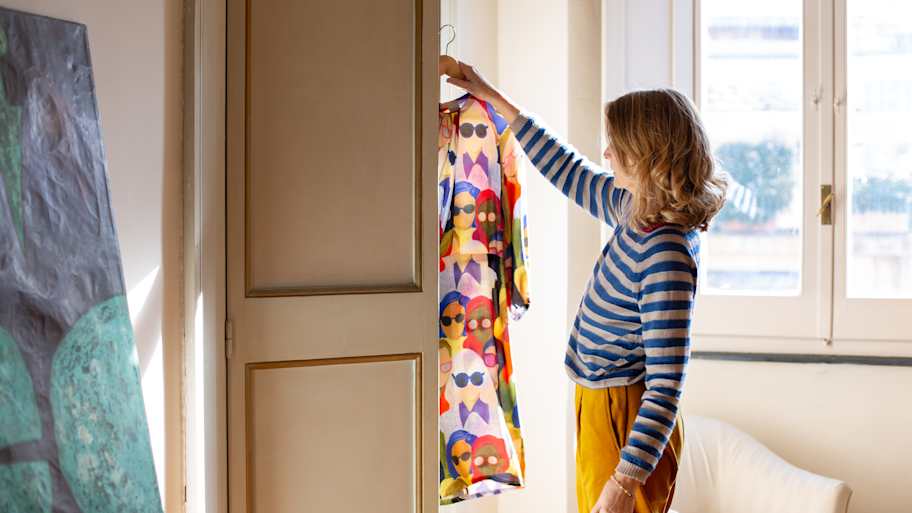
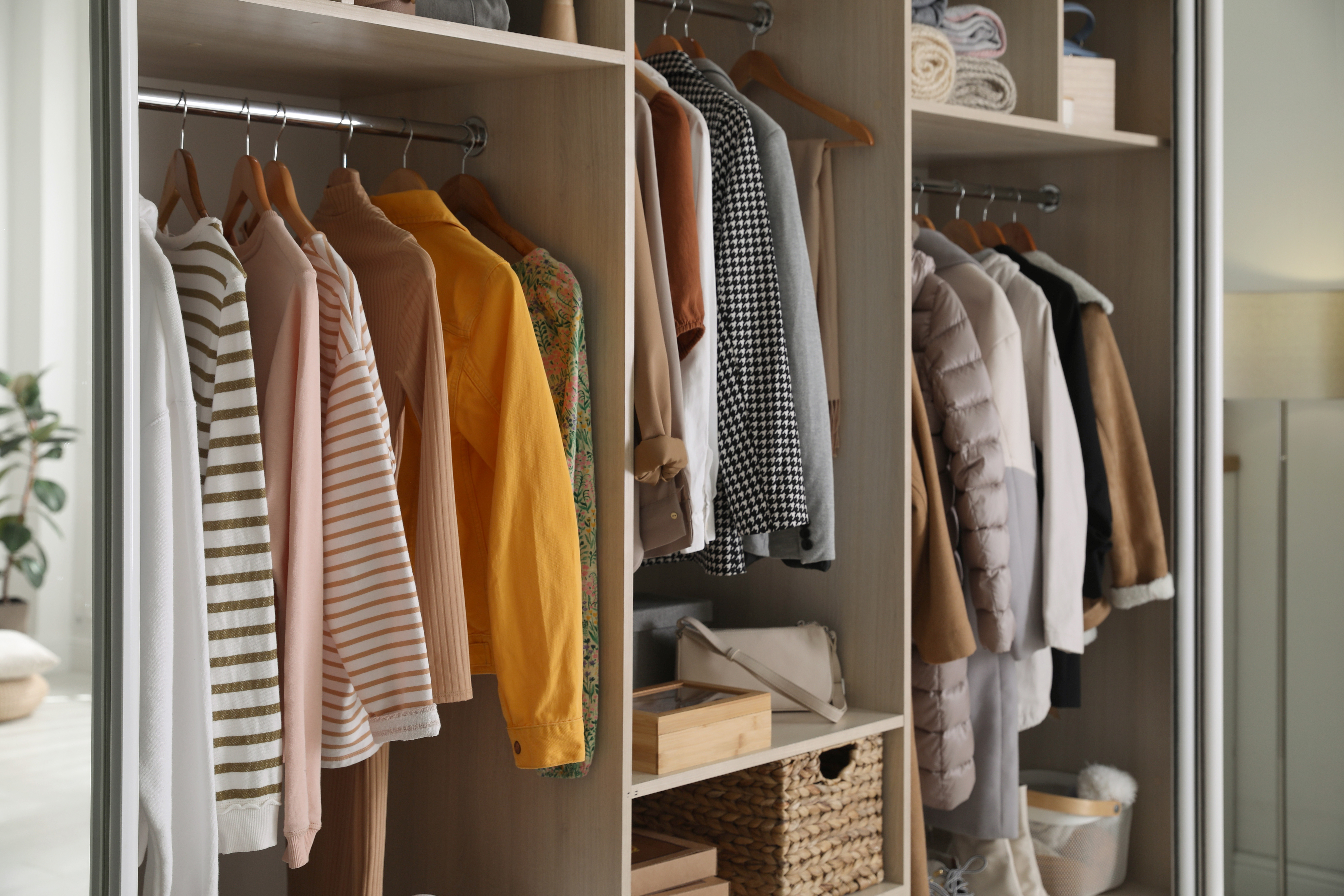
Hanging and folding clothes are efficient ways to pack your clothes during a move. When choosing a packing method, consider the type of clothing you’re packing. For example, clothing such as dresses, suits, blouses, and items made of silk and similar fabrics are ideal for hangers. On the other hand, it’s easier to fold pants, shorts, t-shirts, thick sweaters, and more.

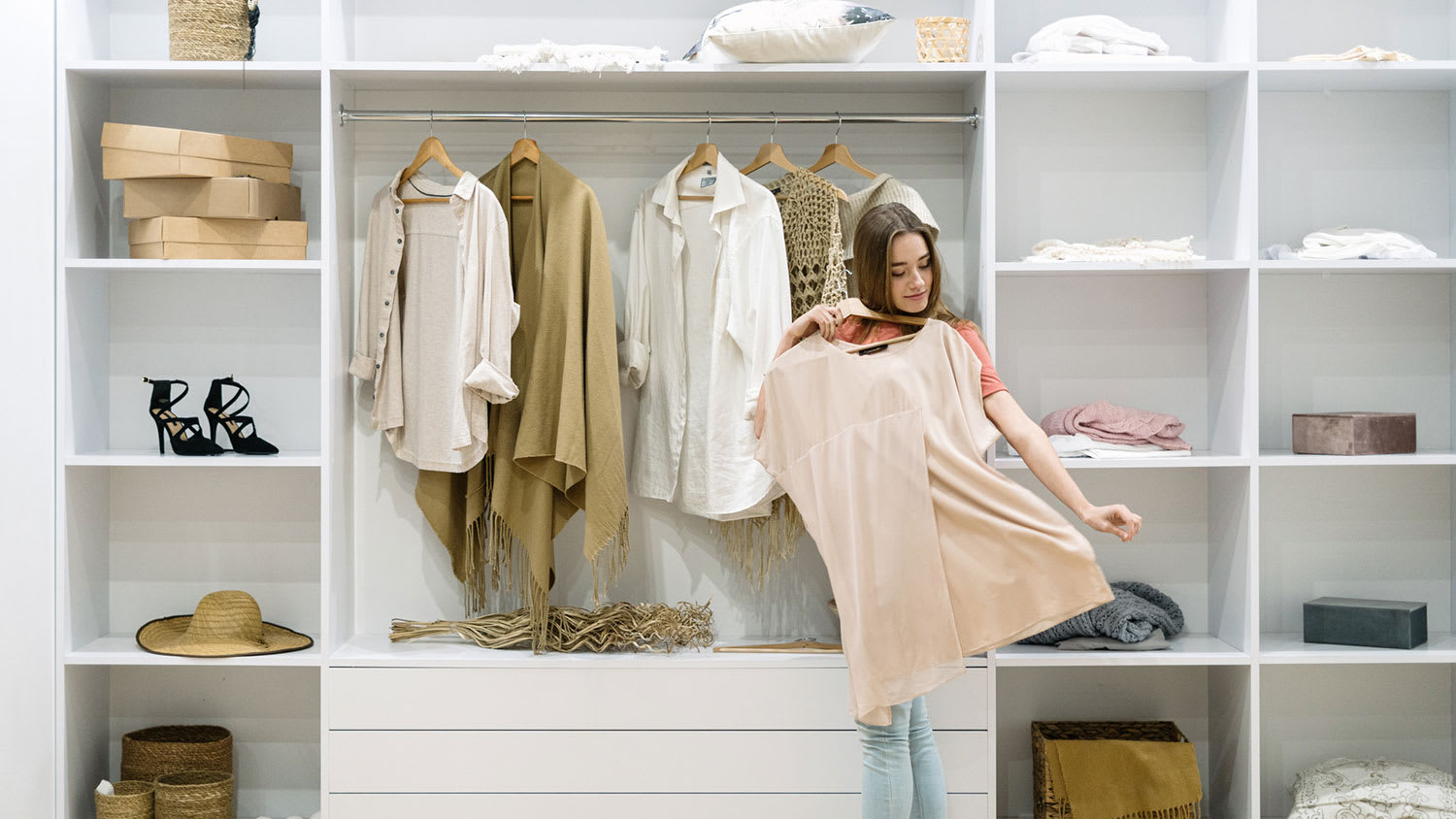
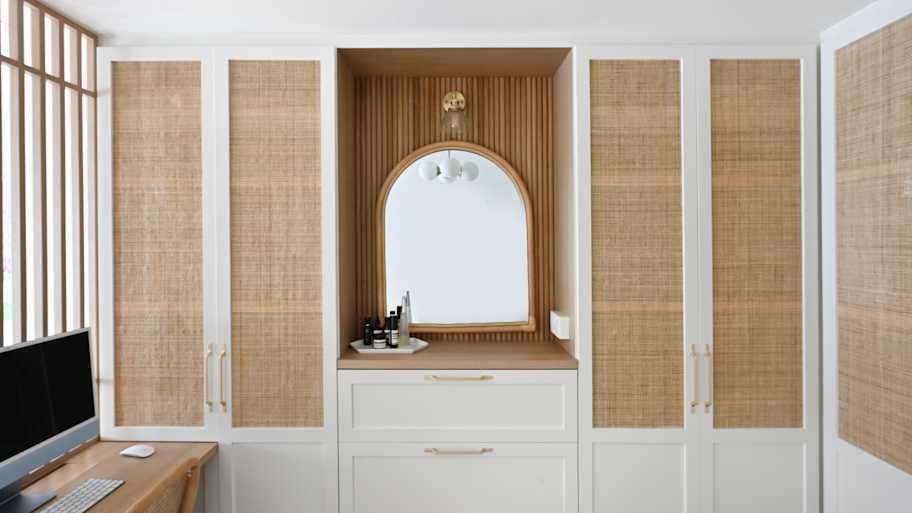
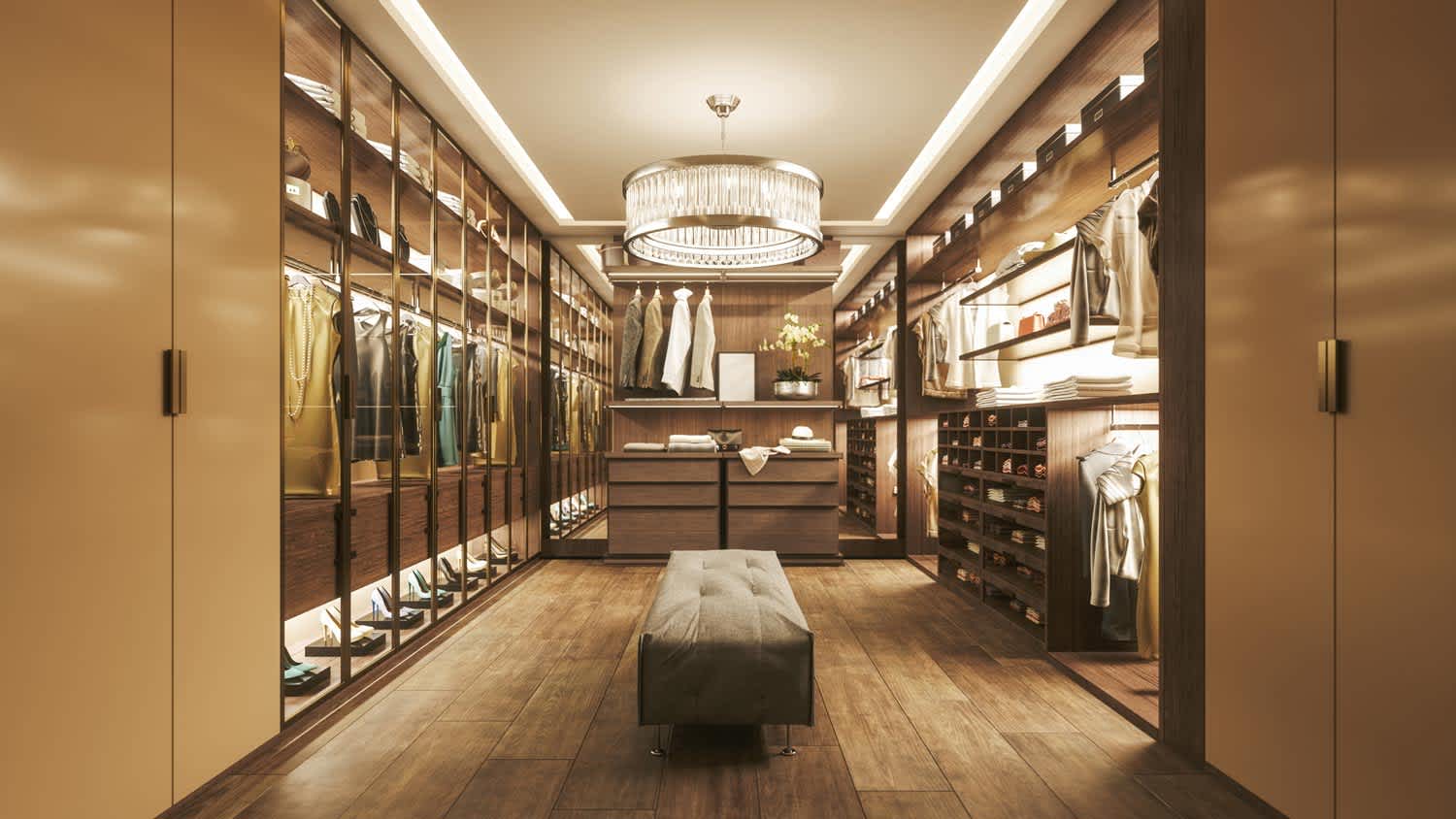
The differences between a built-in closet and a walk-in aren’t that different from a built-in wardrobe and a walk-in closet. It’s fairly simple—a walk-in closet is a closet you can physically enter, stand in, and walk around in. A built-in (whether wardrobe or closet) is more akin to covered shelves installed into a recess in the wall. Another big difference is walk-in closets almost always have traditional full-size doors, while built-ins either have no doors or use sliding doors.

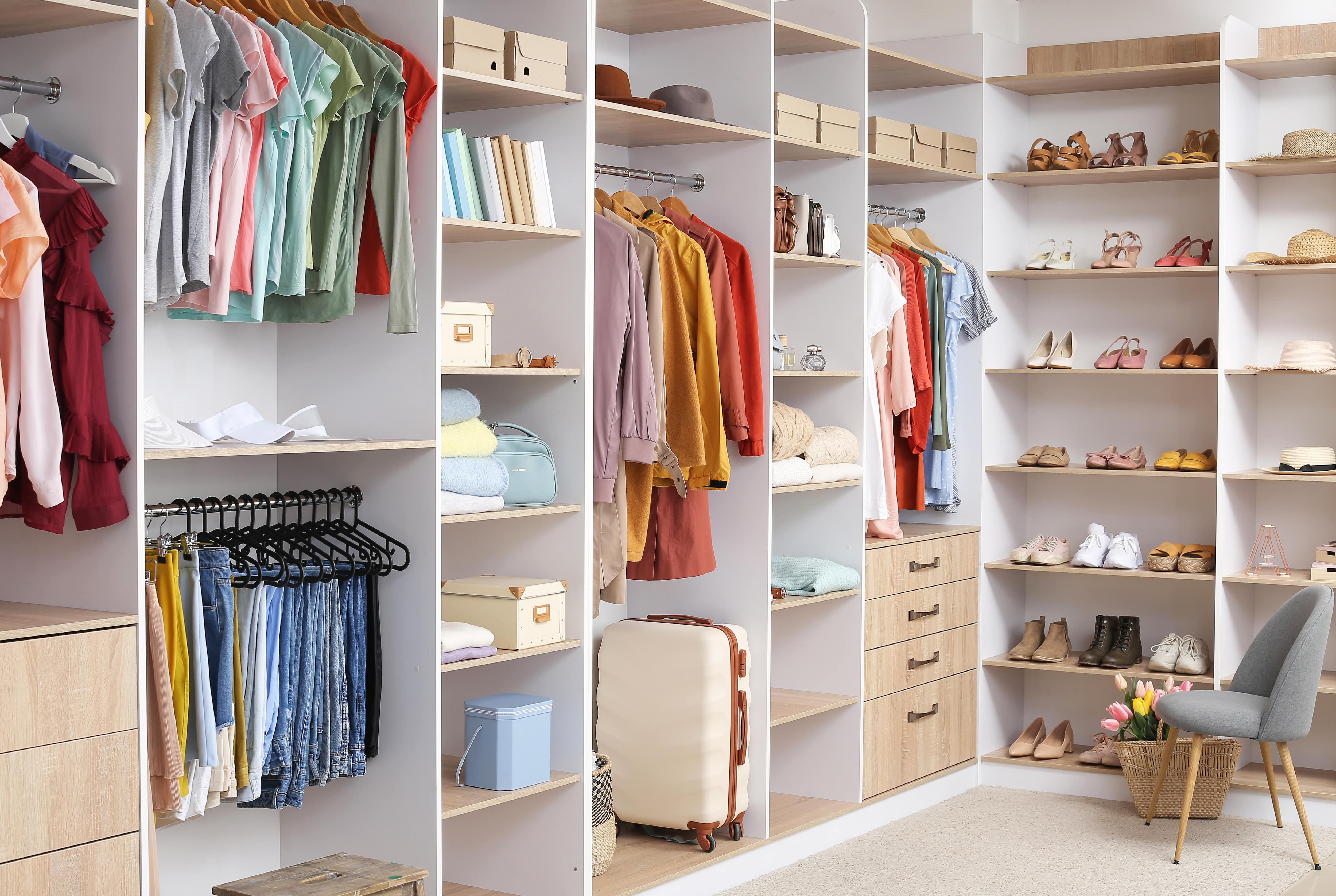
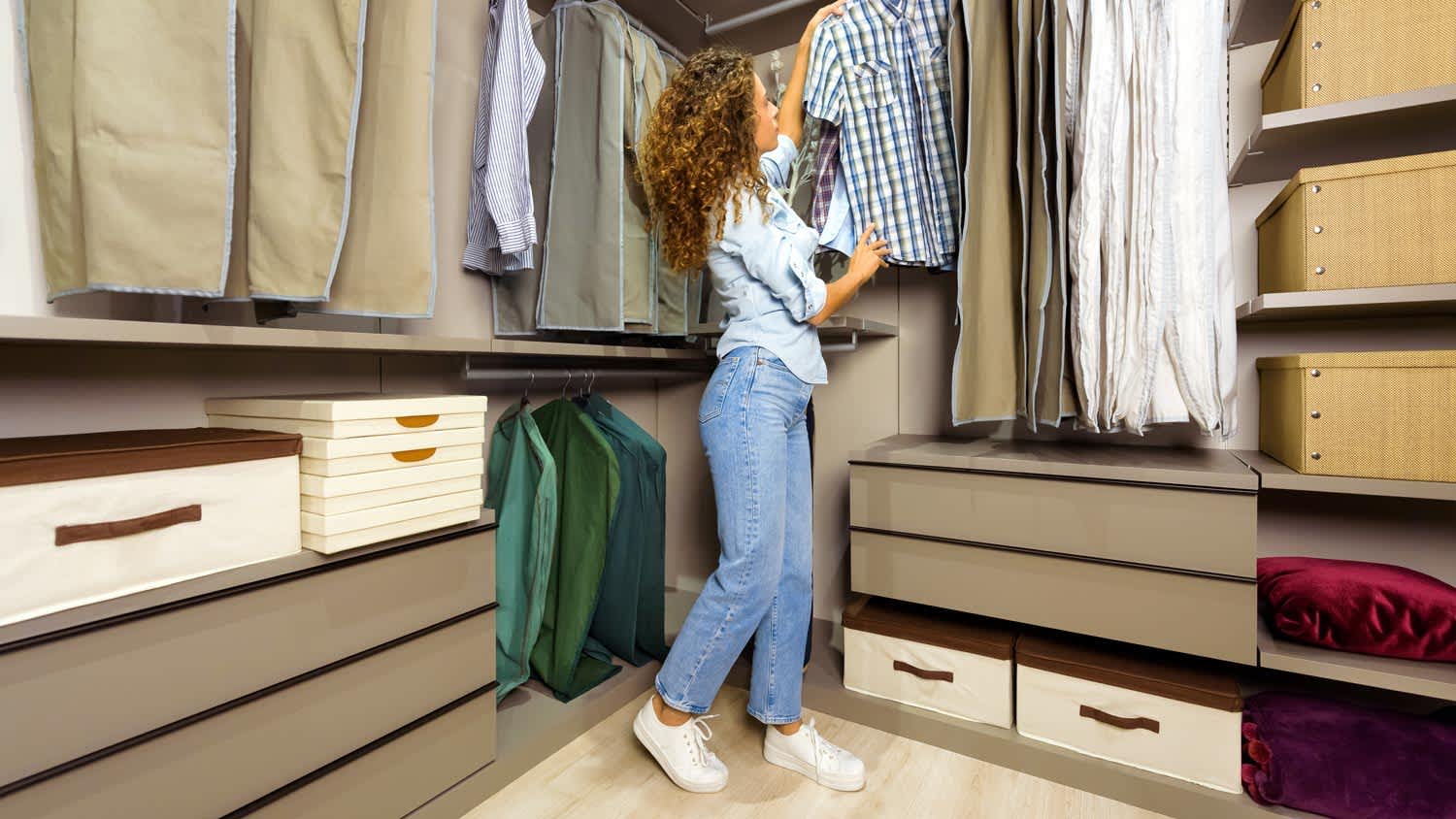
Walk-in closets are always the biggest and can easily be more than 100 square feet. Primary bedroom closets, even if not walk-ins, are the second largest category in most homes and sit between 30 and 80 square feet. Linen closets, utility closets, and built-in closets are smaller and, depending on their usage, tend to be between 10 and 50 square feet.

Tiny house living requires creative solutions to the one biggest issue: space. Many people in tiny houses find life most manageable if they practice minimalism. Eliminating excess items and clutter makes the living space feel bigger, which can be a significant mood booster. It can also be challenging to get utilities arranged for a tiny house, and building and zoning codes can and often do present unique challenges to overcome.