





Top-rated generator install pros.

Get matched with top generator install pros in Sycamore, IL

Enter your zip and get matched with up to 5 pros

Need a pro for your generator install project in Sycamore, IL?

Select your specific project to find the pro for you.

Find Generator install pros in Sycamore

Avatar for Tri-State Water, Power & Air
Tri-State Water, Power & Air
5.0(
5
)
Fixed Generator - InstallGenerator - InstallGenerator - Install - For Business

Serving Sycamore, IL and surrounding areas

Approved (Corporate)

In business since 1992

Free estimates

Emergency services offered

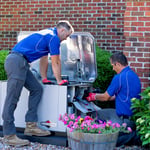
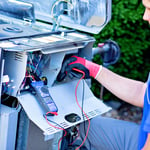
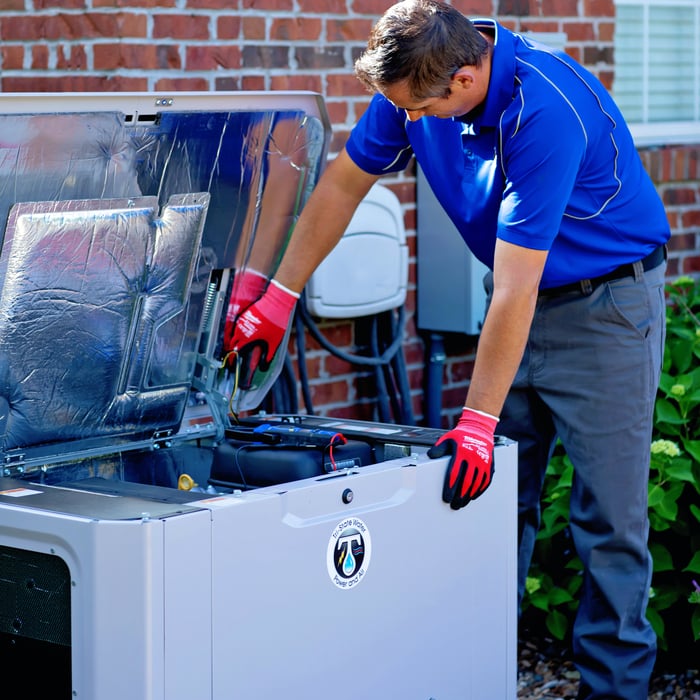
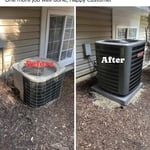
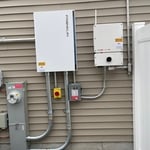
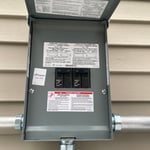
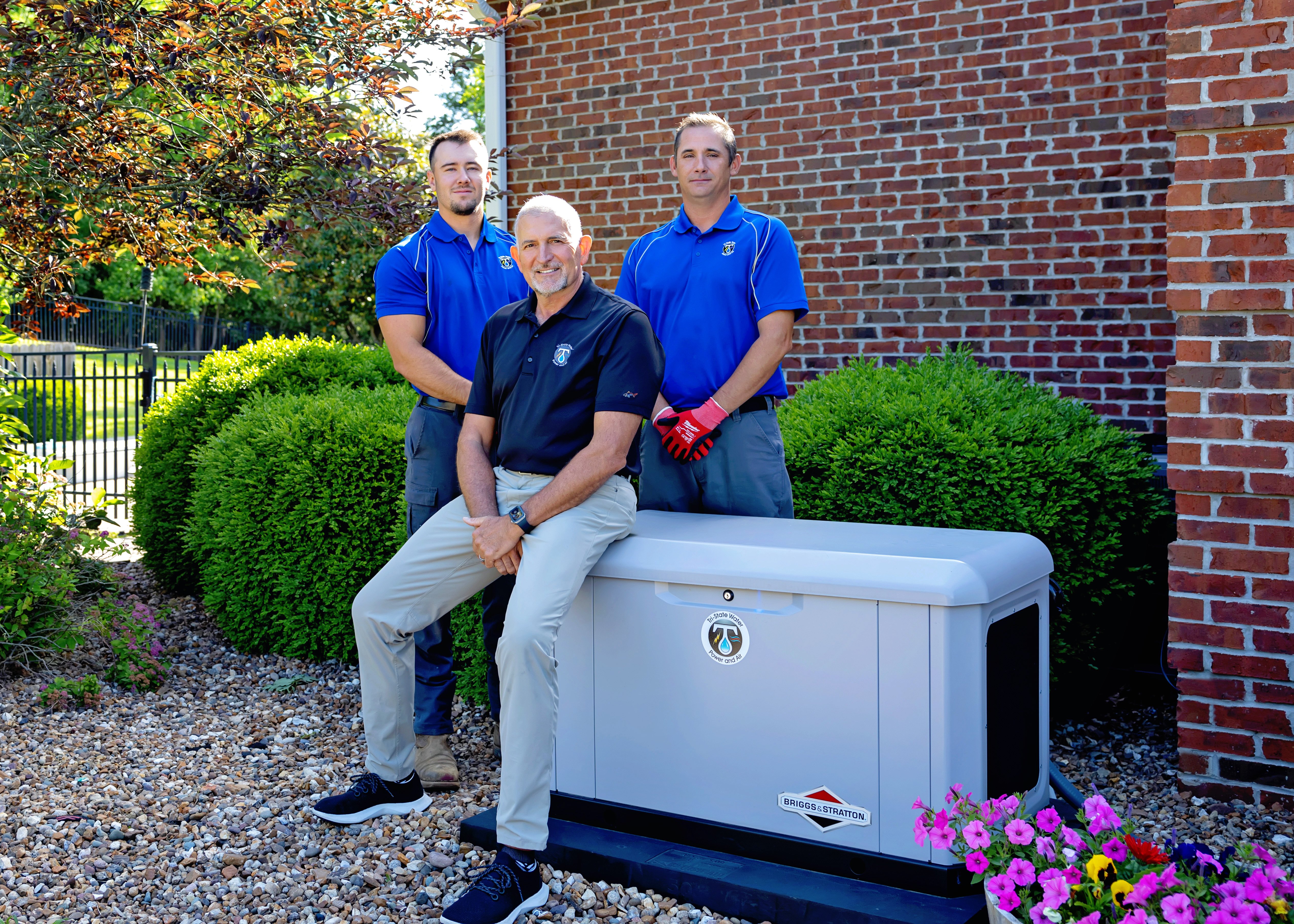
We are the experts in the field of Whole Home Generator Sales and Installation, with over 20 years of experience in the game.\nWe provide turn-key installation by licensed professionals - 24 hour emergency service - Remote Monitoring - Long term maintenance and service by factory trained technicians.
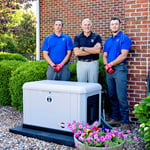
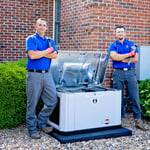
Additional Photos
Additional Photos
Additional Photos
Additional Photos
Additional Photos

+3

14 neighbors recently requested a quote

Avatar for Enable Electric
Enable Electric
4.8(
3
)
Fixed Generator - Install

Serving Sycamore, IL and surrounding areas

Approved

In business since 2014

Free estimates

Warranties offered

"My experience working with Carlos at Enable Electric was seemless. Carlos was extremely attentive with communication, on time for visits and completed my electrical panel swap successfully. I highly recommend Enable Electric and will most definitely be hiring them again for additional projects in the very near future!"
Response time5 hrs
Recommended by100%of homeowners
Scardino Electric, Inc.
5.0(
3
)
Generator - Install - For BusinessGenerator - Repair - For Business

Serving Sycamore, IL and surrounding areas

Approved

In business since 1970

Free estimates

Credit card accepted

"Although at this point the work hasn't started, this project had a lot of obstacles. The owner made multiple visits and we spoke several times to help figure out a way to reach goals without charge. He was very generous with his time and helped to figure the most cost effective way to get started and progress. He listens and goes beyond the call of duty. I have no doubts that he is true to his word and integrity. I am happy to have found such an exceptional and attentive electrical contractor. He's my guy from now on."
Response time11 hrs
Response rate100%
Recommended by100%of homeowners
Showing 1-10 of 36
Generator Install questions, answered by experts

Homeowners can often access federal tax credits, such as the Investment Tax Credit (ITC), which covers a percentage of installation costs. Many states and utilities offer additional rebates, grants, or performance-based incentives. These programs can significantly lower your upfront investment. Check the Database of State Incentives for Renewables and Efficiency (DSIRE) or contact your local energy office for current offers.

Setting up utilities on a vacant property usually takes at least a few months, or between 6 weeks to 16 weeks. This process requires working with the local planning and zoning department, hiring a building contractor or engineer to design the utility layout, securing permits, laying the lines, and connecting the utilities.

No, you should never plug a generator directly into a wall outlet in your house. This practice is extremely dangerous, often illegal, and can cause "back-feeding," where power from the generator flows back into utility lines, creating a life-threatening hazard for utility workers. It can also damage your home's electrical system, including appliances like pumps and HVAC fans. If the main power is restored while the generator is connected, it can destroy the generator and cause an electrical fire. To safely connect a generator, you must use a professionally installed transfer switch or an interlocking kit, which prevents back-feeding by disconnecting your home from the utility grid before the generator provides power.

Yes, in some locations, it is required by the National Electric Code (NEC) to have a transfer switch installed for electrical emergencies. In addition to following electrical code, generator transfer switches ensure your home is fully protected during a power outage. By switching the power from the main breaker to the generator breaker, you can seamlessly operate your HVAC, lights, appliances, devices, and more during an emergency. 

To determine the right size generator for your house, you should calculate the total wattage of the appliances and devices you want to power during an outage. List all essential items, note their start-up wattages, and add them together.

Here are some typical wattage requirements for common appliances:

  • Refrigerator: 600 watts

  • Large dehumidifier: 700 watts

  • Large window air conditioner: 1,400 watts

  • Water heater: 3,000 to 4,500 watts

  • Electric furnace: 5,000 to 25,000 watts

A 7,500-watt generator might be sufficient for essentials like a refrigerator, freezer, well pump, and lighting circuits. However, for high-demand items like a water heater or furnace, a whole-home generator is a better choice. A portable generator may be enough if you only need to power a few critical items.

While home square footage can offer a rough estimate, it is not always a reliable indicator. For reference, here are some typical generator sizes based on square footage:

  • 1,000 sq ft: 6–9 kW

  • 1,500 sq ft: 7–10 kW

  • 2,000 sq ft: 10–14 kW

  • 2,500 sq ft: 12–16 kW

  • 3,000 sq ft: 16–20 kW+

For the most accurate sizing, consult a professional who can calculate your home's peak and average power consumption and recommend the optimal generator.

The Sycamore, IL homeowners’ guide to generator installs

From average costs to expert advice, get all the answers you need to get your job done.