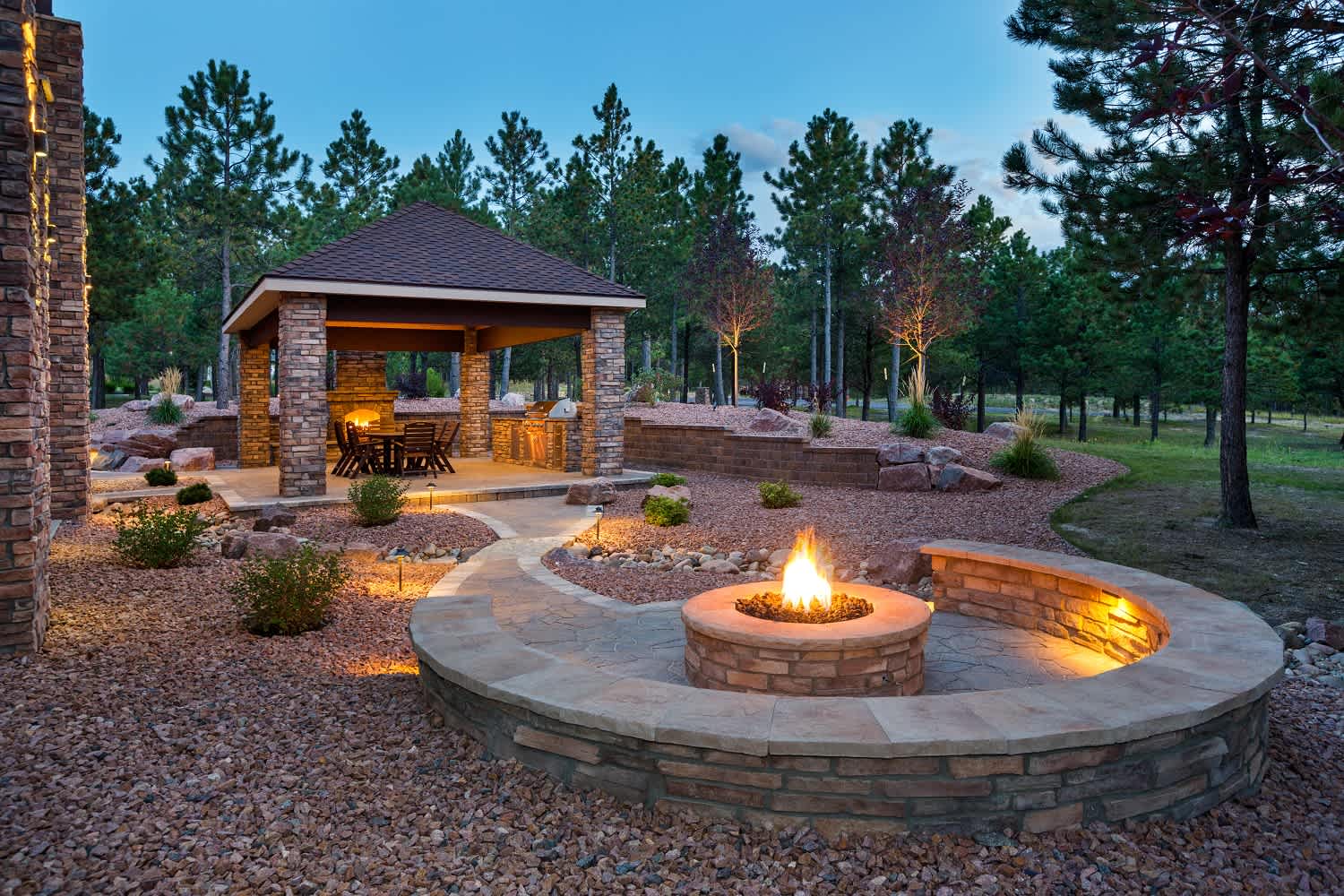





Top-rated fire pit installation pros.

Get matched with top fire pit installation pros in Crest Hill, IL

Enter your zip and get matched with up to 5 pros

Need a pro for your fire pit installation project in Crest Hill, IL?

Select your specific project to find the pro for you.

TRUSTED BY CREST HILL, IL HOMEOWNERS

  • Average homeowner rating star icon4.1
    Average homeowner rating
  • Verified reviews icon538
    Verified fire pit installation services reviews

Find Fire pit installation pros in Crest Hill

No results for Fire pit installation pro in

Try adjusting your search criteria.
Fire Pit Installation questions, answered by experts

A spark arrestor is a simple metal mesh device that prevents flammable particles from escaping from a combustion source and causing a fire. You typically find these attached to gas or diesel engines on things like cars, generators, and garden tools (lawnmowers, chainsaws, etc.). Fireplace or wood-burning stove chimneys also have spark arrestors attached to or sitting under the chimney cap to capture burning embers.

A fireplace hearth is necessary in most areas per building codes, especially for gas and wood-burning fireplaces. Electric fireplaces may not require a hearth, so check local building codes or ask a pro for guidance if you’re leaning toward electric. A fireplace hearth can decrease the risk of flying embers creating a fire and burning your home down. That’s why fireproof material, like tile, is used for the hearth.

A chimney requires both a cover and a cap, but these parts often get confused with one another. A chimney cover seals the top of the chimney around the flue pipe to prevent water from entering the chimney. A chimney cap is a piece that sits above the flue to prevent animals, debris, and water from entering the flue.

Although you can put a smoke detector on a shelf, the NFPA recommends mounting one on the ceiling or a wall (within 12 inches of the ceiling). If you place your smoke alarm on a shelf, ensure it’s away from drafty, damp, or dusty areas and not near cooking appliances, heat sources, or fluorescent lights.

According to the National Fire Protection Association’s Code NFPA 25 (titled “Standard for the Inspection, Testing, and Maintenance of Water-Based Fire Protection Systems”), private fire hydrants must undergo inspection once per year, with an accompanying flow test and any necessary maintenance performed on the same schedule. Keep in mind that your town, city, or county may adopt more or less strict testing requirements. 
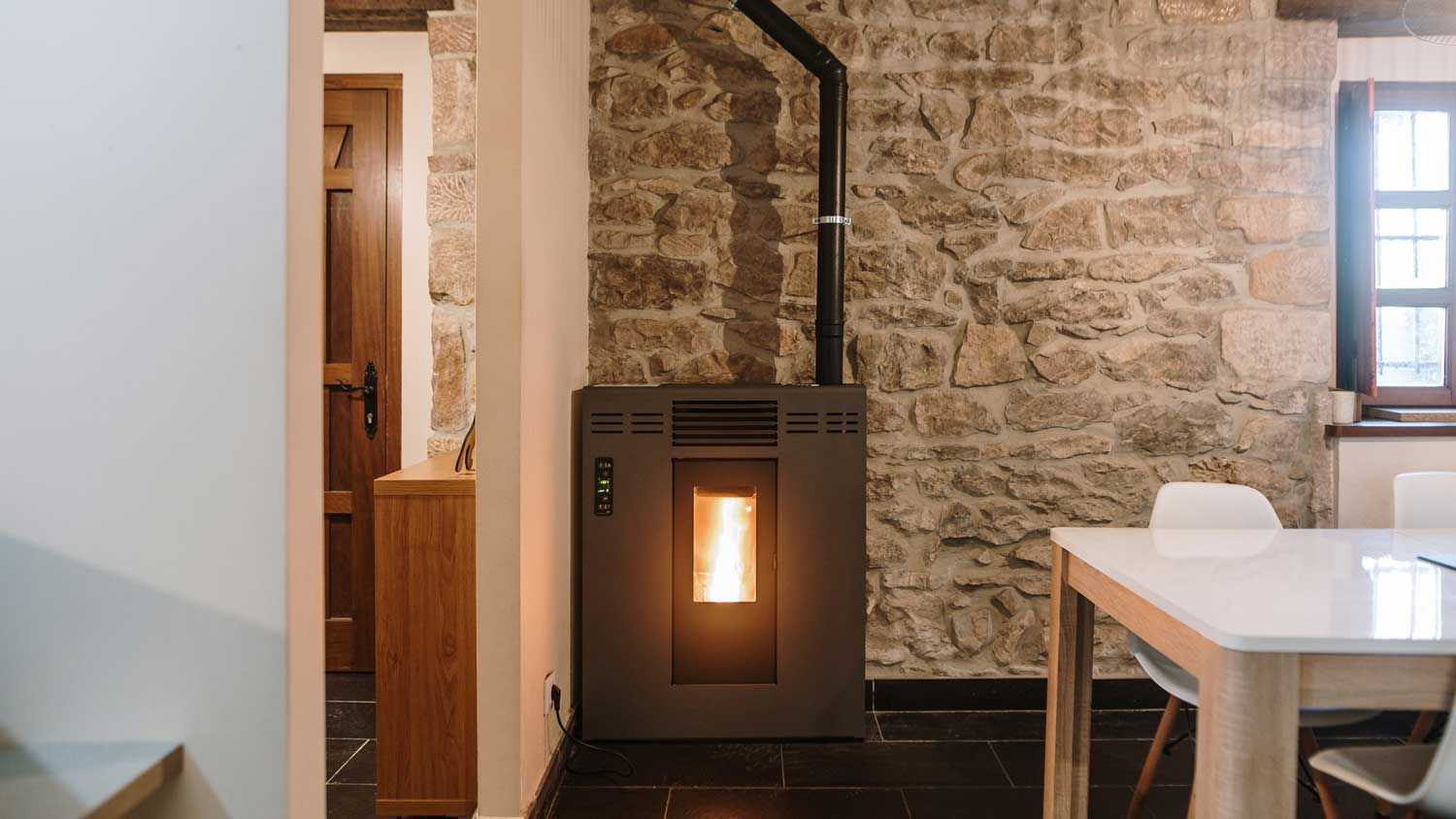

The Crest Hill, IL homeowners’ guide to fire pit installation services

From average costs to expert advice, get all the answers you need to get your job done.