





Top-rated generator install pros.

Get matched with top generator install pros in Bourbonnais, IL

Enter your zip and get matched with up to 5 pros

Need a pro for your generator install project in Bourbonnais, IL?

Select your specific project to find the pro for you.

Find Generator install pros in Bourbonnais

Avatar for Tri-State Water, Power & Air
Tri-State Water, Power & Air
5.0(
5
)
Fixed Generator - InstallGenerator - InstallGenerator - Install - For Business

Serving Bourbonnais, IL and surrounding areas

Approved (Corporate)

In business since 1992

Free estimates

Emergency services offered

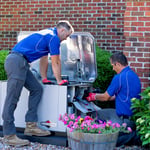
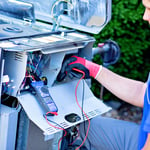
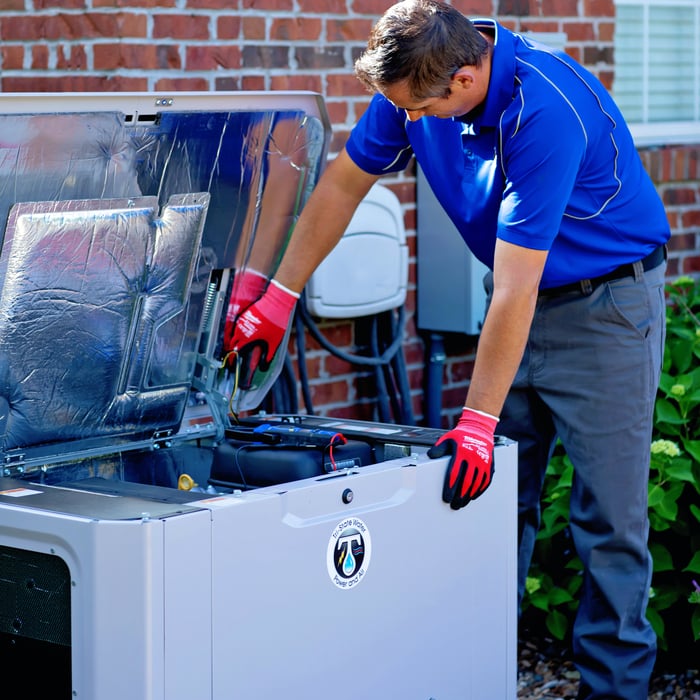
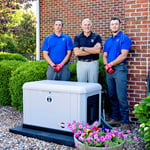
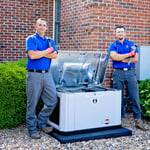
We are the experts in the field of Whole Home Generator Sales and Installation, with over 20 years of experience in the game.\nWe provide turn-key installation by licensed professionals - 24 hour emergency service - Remote Monitoring - Long term maintenance and service by factory trained technicians.
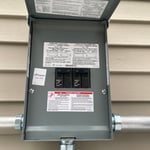
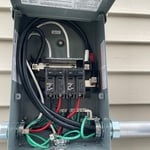
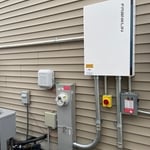
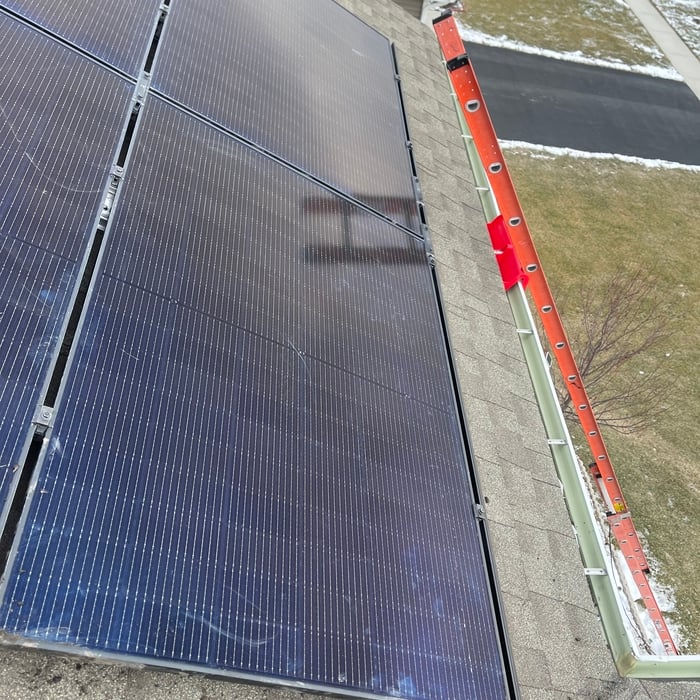
Additional Photos
Additional Photos
Additional Photos
Additional Photos
Additional Photos

+3

19 neighbors recently requested a quote
Avatar for GROMM Electric LLC
GROMM Electric LLC
New to Angi
Fixed Generator - InstallFixed Generator - RepairGenerator - Install - For Business+3 more

Serving Bourbonnais, IL and surrounding areas

Approved

Free estimates

Emergency services offered

Warranties offered

Electrical professional with 20 years of hands-on experience in residential, commercial, and heavy industrial electrical construction. Raised in a family-owned electrical company that grew from a 10-person shop to a 500-electrician operation serving projects nationwide and internationally.\n\nExtensive field experience across high-demand environments including power plants, steel mills, paper mills, chemical plants, oil refineries, coal mines, Air Products facilities, and large food manufacturing plants.\n\nHighly skilled in:\n • Low-voltage systems, fire alarm, controls, and automation\n • Medium-voltage installations and power distribution\n • Underground services and excavation coordination\n • Bucket truck and service work\n • Smart home and modern electrical systems\n • Residential, commercial, and industrial construction from ground-up to retrofit\n\nCertifications & Credentials:\n • Chicago Licensed Electrician\n • OSHA 10 & OSHA 30\n • MSHA Certified\n • CPR Certified\n • NCCER Certified\n\n

Showing 1-10 of 29
Generator Install questions, answered by experts

Most homeowners won't be able to claim a home generator as a tax write-off. However, a whole-house generator may be tax-deductible in certain situations depending on its purpose. For instance, if it's needed to power essential medical equipment, it may qualify as a medical expense deduction. Also, in some cases, businesses can deduct a generator as a business expense if it supports operations. Always consult a tax professional to determine eligibility based on your specific circumstances and the applicable IRS regulations.

It is safe to run a generator continuously, but you must follow safety protocols to ensure personal and home safety. Read the manufacturer’s instructions for specific recommendations, but the general recommendation is to turn generators off overnight or when you’re away from the house. Overworked generators can pose a fire hazard and if your generator is not in a well-ventilated area, running it continuously could lead to carbon monoxide poisoning.

A portable generator can supply power to selected appliances and circuits in a home, but it's generally not designed to handle the entire household's electrical needs simultaneously. Portable generators have limited wattage capacity, so they are only designed to power essential devices and electronics temporarily until local power is restored. If your power needs outweigh the capabilities of a portable generator, consider installing a whole-home generator instead.

Sizing a generator is a careful process that requires calculating the electrical load of your entire house. You have to take into account every device you want to use and their wattage requirements, plus the wattage needed to start them, and look for a generator that can safely run all that at around 80% capacity.

In more practical terms, a small home can run on a 10,000-watt generator (and if you only want to power a few key appliances, much less than that). A mid-sized home may need something between 15,000 and 22,000 watts. Larger homes require 25,000 watts or more. 

To determine the right size generator for your house, you should calculate the total wattage of the appliances and devices you want to power during an outage. List all essential items, note their start-up wattages, and add them together.

Here are some typical wattage requirements for common appliances:

  • Refrigerator: 600 watts

  • Large dehumidifier: 700 watts

  • Large window air conditioner: 1,400 watts

  • Water heater: 3,000 to 4,500 watts

  • Electric furnace: 5,000 to 25,000 watts

A 7,500-watt generator might be sufficient for essentials like a refrigerator, freezer, well pump, and lighting circuits. However, for high-demand items like a water heater or furnace, a whole-home generator is a better choice. A portable generator may be enough if you only need to power a few critical items.

While home square footage can offer a rough estimate, it is not always a reliable indicator. For reference, here are some typical generator sizes based on square footage:

  • 1,000 sq ft: 6–9 kW

  • 1,500 sq ft: 7–10 kW

  • 2,000 sq ft: 10–14 kW

  • 2,500 sq ft: 12–16 kW

  • 3,000 sq ft: 16–20 kW+

For the most accurate sizing, consult a professional who can calculate your home's peak and average power consumption and recommend the optimal generator.

The Bourbonnais, IL homeowners’ guide to generator installs

From average costs to expert advice, get all the answers you need to get your job done.