




Top-rated excavation pros.

Get matched with top excavation pros in Big Rock, IL

Enter your zip and get matched with up to 5 pros

Need a pro for your excavation project in Big Rock, IL?

Select your specific project to find the pro for you.

TRUSTED BY BIG ROCK, IL HOMEOWNERS

  • Average homeowner rating star icon4.9
    Average homeowner rating
  • Verified reviews icon13
    Verified excavation services reviews

Find Excavation pros in Big Rock

Avatar for Golden Willow Landscaping
Golden Willow Landscaping
4.8(
11
)

Serving Big Rock, IL and surrounding areas

Approved

In business since 2009

Free estimates

Emergency services offered

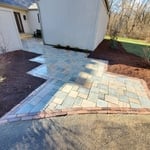
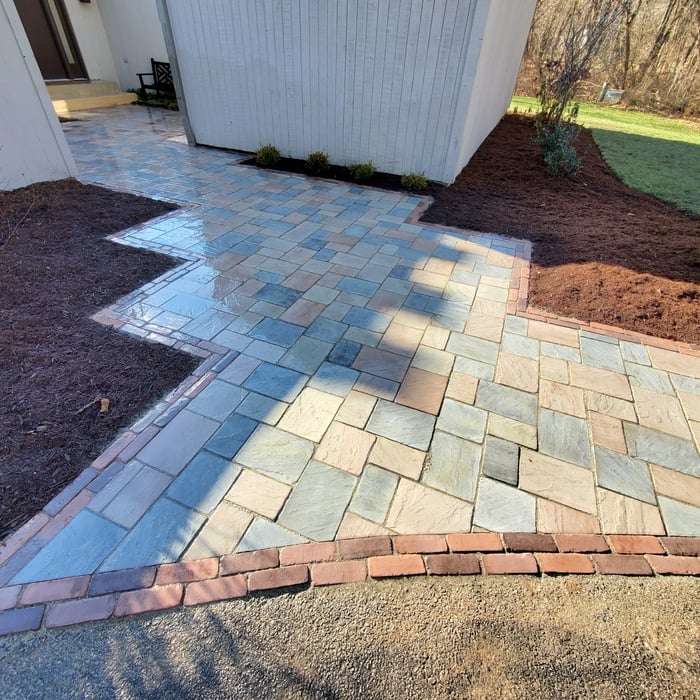
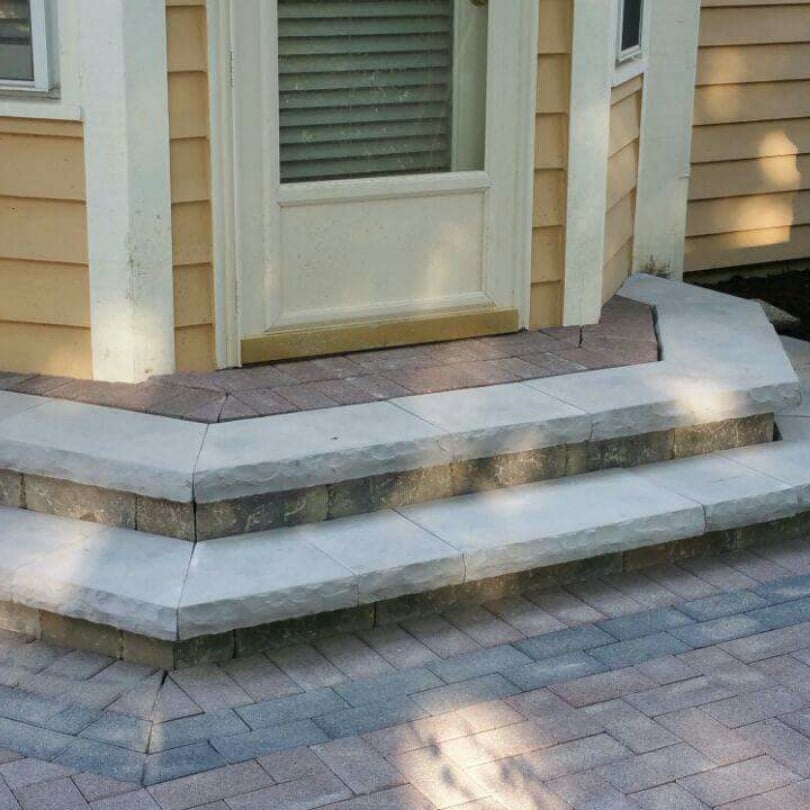
"They are very helpful with suggestions. My yard looks great and they re-laid my brick sidewalk. Indy was very courteous and the crew was friendly. Great job."

Richcliff Dawn Mist
Richcliff Dawn Mist
Richcliff Dawn Mist Top & Copthorne Mixed Sold
Sidewalk Before Installation
After Installation

+14

Response time1 day
Response rate86%
17 neighbors recently requested a quote
RYAN EXCAVATING LLC
New to Angi

Serving Big Rock, IL and surrounding areas

Approved

Free estimates

Credit card accepted

Offers commercial services

At Ryan Excavating, we take great pride in our experience, expertise, quality and customer service that we provide to meet the consumer's needs. It is our mission to provide excellent workmanship and complete customer satisfaction from start to completion of a project. In order to understand the needs and expectations of our customers, we take great care to work and communicate with every customer in a professional manner. Our reputation is based on service, safety and quality, regardless of how large or small the job.

Avatar for Klock Home Services
Klock Home Services
New to Angi

Serving Big Rock, IL and surrounding areas

Approved

Free estimates

Emergency services offered

Warranties offered

Hi, I’m Kevin with Klock Home Services, proudly serving the Fox Valley area. I provide reliable, detail-oriented handyman and home repair services at fair prices. From furniture and drywall repair to minor carpentry, fixture installs, and general maintenance, I treat every project like it’s in my own home. Whether it’s a small fix or a larger task, you can count on quality work done right the first time.

...
Showing 1-10 of 104
Excavating questions, answered by experts

If you’re planning to dig on your property, you’ll need to check for underground utility lines. Call the national call-before-you-dig 811 number. Once connected to an operator, you can schedule a site visit to mark underground lines. This way, you won’t accidentally dig into pipes and can cause major (read: costly) issues.

The rules and regulations regarding groundwater use vary between states. To find out if you can dig a well on your property, you’ll have to consult these regulations, address any compliance requirements, and get the appropriate permits. It’s also important to check that your intended location has the right geology and water table to support a well.

Trenching and boring are two distinct methods for installing underground utilities. Trenching involves digging a channel using equipment like an excavator, trencher, backhoe, or shovel. While it is a simpler process, it causes significant disruption to the surface, landscaping, and surrounding ecosystems.

Boring, also known as directional boring, is a less invasive alternative that uses a drill to create a tunnel for utility lines without disturbing the surface. This method is more precise and is ideal for installations that need to go underneath buildings, roads, or bodies of water. Although boring is less disruptive, it is generally more expensive than trenching.

Trenching is a specific kind of digging. Trenching means digging a depression in the earth that’s deeper than it is wide, often with heavy machinery. Digging refers to any kind of removal of earth in order to create a human-made depression, hole, or cut in the earth’s surface. You can dig with big tools or even with just a hand shovel.

In the United States, a depth of 36 inches (three feet) for underground water lines is the accepted industry standard. This depth varies from location to location based on local conditions. In areas with colder winters, they may be buried deeper to prevent frozen well water pipes : This is usually at least six inches below the frost level. The International Plumbing Code calls for a minimum of 12 inches below grade.

The Big Rock, IL homeowners’ guide to excavation services

From average costs to expert advice, get all the answers you need to get your job done.