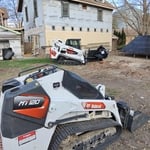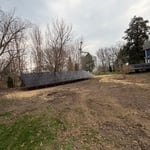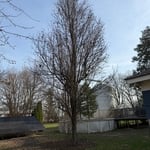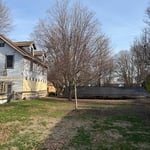



Top-rated tree service pros.

Get matched with top tree service pros in Ashland, IL

Enter your zip and get matched with up to 5 pros

Need a pro for your tree service project in Ashland, IL?

Select your specific project to find the pro for you.

TRUSTED BY ASHLAND, IL HOMEOWNERS

  • Average homeowner rating star icon4.2
    Average homeowner rating
  • Verified reviews icon18
    Verified tree services reviews

Find Tree service pros in Ashland

Avatar for Lufkin Environmental
Lufkin Environmental
5.0(
22
)
Tree RemovalTree TrimmingTree Removal - For Business+1 more

Serving Ashland, IL and surrounding areas

Approved

In business since 2020

Free estimates

Emergency services offered

"The crew was friendly, efficient, and did very good work. They answered all my questions and gave us tips for future tree care. I would use them for any tree project I have in the future."
TREE SERVICE
TREE SERVICE
TREE SERVICE
TREE SERVICE
TREE SERVICE

+6

Response time1 day
66 neighbors recently requested a quote
Recommended by85%of homeowners
Avatar for High and Tight Tree Toppers, Inc.
High and Tight Tree Toppers, Inc.
4.9(
17
)
Tree Removal

Serving Ashland, IL and surrounding areas

In business since 2020

Free estimates

"These men are professionals who can be trusted to do quality, safe work. They were prompt, stayed within their estimate, efficient, and spent the time necessary to make sure that all the work agreed upon was understood by both parties. They also cleaned up all the debris and left the property looking neat. I was very glad that I chose High & Tight to do the work my insurance company required of me. This was a tall 60 year old maple that needed trimming up close to the house. They carefully removed major limbs and left the tree looking good and well balanced. I would gladly recommend them to anyone."
50ft Maple Tree
Two Cherry Tree Removal
Response time1 day
Recommended by100%of homeowners
Showing 1-10 of 44
Tree Service questions, answered by experts

Trees don’t usually grow back after being cut down. Some particularly robust tree species may start sending up new stems from a stump to recover, but those stems won’t become a “tree” like before. Generally, trees don’t recover from being entirely cut down, which is why it’s important to be careful when making a decision. When you cut down a tree, it’s a good idea to make plans to remove the stump, even if it’s unlikely to grow back.

The best way is to start controlling tree height long before it grows too large, via careful pruning through the years. But that’s not always possible. If a tree has become too high or too large, use selective pruning to remove the most troublesome branches, one by one, without topping the tree. Gently shaping a tree like this can, over time, correct problems. You can also find growth inhibitors to spray on a tree to stop it from growing too rapidly, but use these sparingly if at all.

A pro can guide you on the alternatives to tree topping depending on the specific issues within your trees. For example, if you’re dealing with breakage and cracks in your tree, they may suggest canopy reduction, which removes less than 25% of the tree’s limbs. If you’re dealing with lesser damage, some intentional pruning may be all you need. If you’re looking to get a clearer view through your tree, the pro may also try windowing or skirting your tree.

It's easy to misidentify trees that appear to be maple trees due to similarities in leaf shapes. Sweetgum, sycamore, and yellow poplar all have leaf shapes and appearances similar to maples. The fact that around a dozen maple tree varieties exist, only about half of which are considered common, makes misidentification an often typical occurrence.  

A tree growing close to a house can pose several risks, but removal isn't always the only or best solution. Potential problems include roots growing into the foundation and causing structural cracks, branches damaging the roof or promoting moss growth, and debris clogging gutters, which can lead to water damage. Trees can also provide access for pests and encourage mold. However, a small, healthy tree may not be a problem, and for larger, established trees, strategic trimming can be a cheaper and more beneficial alternative to removal. It is generally recommended to take action for trees within 10 to 20 feet of your home, especially if they are unhealthy or encroaching. Your best bet is to consult a professional arborist who can assess the specific situation and provide expert advice.

The Ashland, IL homeowners’ guide to tree services

From average costs to expert advice, get all the answers you need to get your job done.