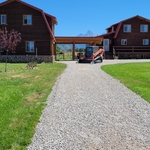








Top-rated excavation pros.

Get matched with top excavation pros in Lincoln, ID

Enter your zip and get matched with up to 5 pros

Need a pro for your excavation project in Lincoln, ID?

Select your specific project to find the pro for you.

TRUSTED BY LINCOLN, ID HOMEOWNERS

  • Average homeowner rating star icon4.4
    Average homeowner rating
  • Verified reviews icon27
    Verified excavation services reviews

Find Excavation pros in Lincoln

Avatar for All weather ground solutions llc
All weather ground solutions llc
5.0(
2
)
Landscape - Minor Grading or ReslopingExcavation - Major Grading or Resloping

Serving Lincoln, ID and surrounding areas

Approved

Free estimates

Emergency services offered

Warranties offered

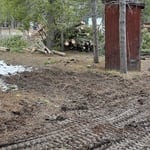
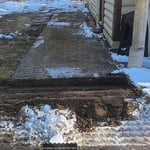
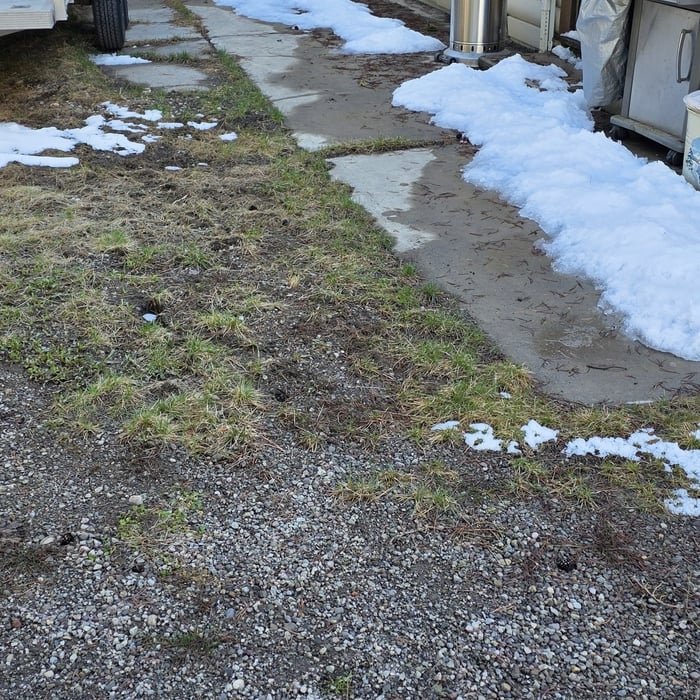
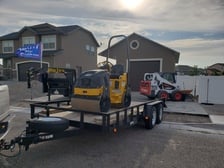
All Weather Ground Solutions LLC is committed to excellence in every aspect of our business. We uphold a standard of integrity bound by fairness, honesty, and personal responsibility. Our distinction is the quality of service we bring to our customers. Accurate knowledge of our trade combined with ability is what makes us true professionals. Above all, we are watchful of our customers' interests, and make their concerns the basis of our business.

Driveway Upgrade
Circle Driveway
Circle Driveway
Paver Patio
Paver Patio

+1

13 neighbors recently requested a quote
The Service Company of Idaho
New to Angi
Excavation - Major Grading or ReslopingLandscape - Minor Grading or Resloping

Serving Lincoln, ID and surrounding areas

Approved

In business since 2013

Free estimates

Offers commercial services

We are committed to excellence in every aspect of our business. We uphold a standard of integrity bound by fairness, honesty, and personal responsibility. Our distinction is the quality of service we bring to our customers. Accurate knowledge of our trade combined with ability is what makes us true professionals. Above all, we are watchful of our customers' interests, and make their concerns the basis of our business.

Response time10 mins
1 neighbors recently requested a quote

Showing 1-10 of 26
Excavating questions, answered by experts

If you have a broken sprinkler pipe underground, there will be some signs you can easily spot to locate it and take action. These include leaks, water spouts, flooding, consistently damp areas on your lawn, low water pressure, and grass around the sprinkler head that’s taller and darker than anywhere else in the yard. 

If there are no obvious signs of a broken pipe, you can use tools such as water leak mics, leak noise loggers, audio devices that record leaks, and acoustic testing links. 

Broken pipes can lead to uneven watering, plant damage, and higher utility bills. The longer you wait to fix them the more the repair cost may be.

We recommend removing the stump, and grinding is a popular way to do it. You can also dig out small stumps or stumps that have fully decayed instead of grinding them. However, don’t try using acids or fire for killing a tree stump, which is a fire hazard and illegal in many areas.

Leaving the stump alone invites eventual problems, including attracting termites, mold, and fungi.

Depending on the severity of the freeze and the method used, thawing frozen underground pipes can take anywhere from 30 minutes to several hours. Applying heat directly to the pipe using heat tape, infrared lamps, or hot water jetting can speed up the process. However, patience and careful monitoring are key to avoiding pipe damage.

Landscape edging is more DIYable than trenching. You can DIY your own digging projects, but proceed carefully and only with proper knowledge of the equipment and appropriate safety measures in place. Keep in mind the project's scope and estimate how long it will take you to do it on your own. While you can certainly save money by DIYing home improvement projects, you can’t exactly hide an unfinished—or worse, ruined— landscaping job from the neighbors. It’s always safer to call an excavation pro near you to get an estimate.

How deep your septic system needs to be into the ground depends on several factors. In extremely cold environments, the tank needs to rest below the maximum frost line, which can be up to six or eight feet deep. The standard burying depth for most systems is between a few inches and four feet below ground level. Depth can also depend on the slope of the landscaping and other property variables. 

The Lincoln, ID homeowners’ guide to excavation services

From average costs to expert advice, get all the answers you need to get your job done.