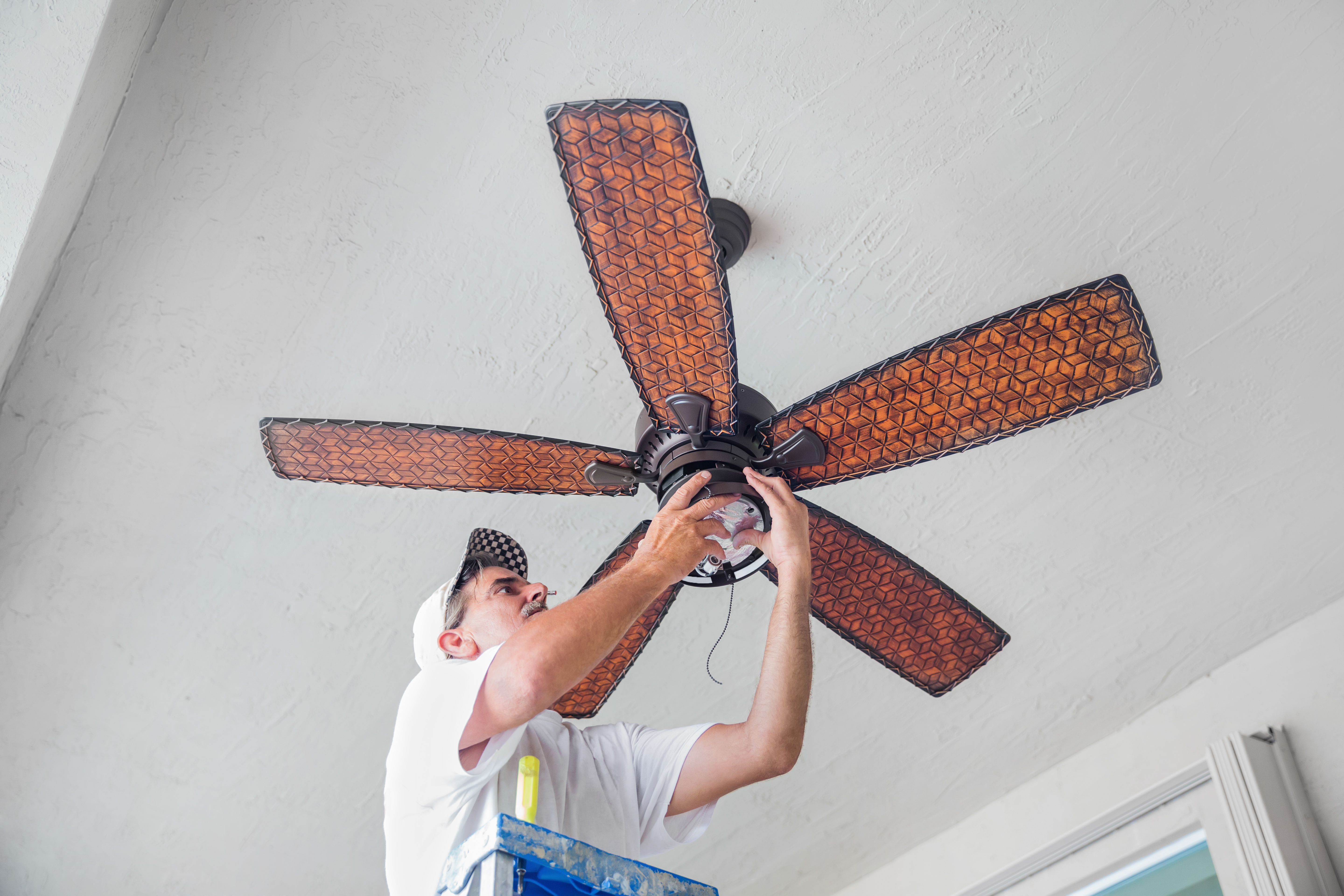







We take great pride in our experience, expertise, quality, and customer service that we provide to meet the consumer's needs. It is our mission to provide excellent workmanship and complete customer satisfaction, from the start to the completion of a project. In order to understand the needs and expectations of our customers, we take great care to work and communicate with every customer in a professional manner. Our reputation is based on service, safety, and quality, regardless of how large or small the job.
Remodels new build residential and commercial solar and anything that has to do with electrical we do it all no job to big no job to small give us a call custom homes and service and maintenance is just a couple things we specialize in let us come and share your vision and offer you our expert advice and give you a price that you will appreciate from a master electrician
"The furnace took 4 days to get approved( not counting a Sunday) the others were quick but the water heater had to be ordered so without hot water for a week. One ceiling fan was easy but within a year their policy changed and They would not install the one I purchased and had to get a new one approved and then ordered online and took several weeks to get straightened out. Not sure who was at fault, AHS, installer or scheduling with renter. Fee is usually $75 per visit"
A/C Electric LLC\n is committed to excellence in every aspect of our business. We uphold a standard of integrity bound by fairness, honesty, and personal responsibility. Our distinction is the quality of service we bring to our customers. Accurate knowledge of our trade combined with ability is what makes us true professionals. Above all, we are watchful of our customers' interests, and make their concerns the basis of our business.
Bartco Electric with personally over 25 years of electrical experience in all phases of electrical work in business since 2004. Idaho licensed electrical contractor and insured.
The most efficient ceiling fan height is 8 to 9 feet from the floor to the fan blades. For ceilings higher than 9 feet, a downrod can be used to lower the fan to the optimal height. This positioning ensures adequate air circulation and maximizes the cooling effect. Remember, fans should be installed at least 7 feet above the floor for safety.
Ceiling fans can be a great way to cool your home without the expensive utility bill of running an air conditioner. Plus, ceiling fans can sometimes run in both directions, pushing hot air down in winter and pulling cold air up in summer. With that said, air conditioning might be the only thing that helps if you live in a very warm climate.
Many ceiling fan mounts feature a design that can accommodate slight slopes by using a ball joint mechanism at the end of the downrod. If your ceiling has a steeper slope than your fan allows for, you can install a downrod that will allow your fan to safely hang below the slope.
Fan power is measured by CFM, or cubic feet per minute. For every 1,000 feet of square footage in your attic, you need a minimum of 700 CFM. Steeper roofs may need larger fans or about 840 CFM. You can figure the size of attic fan you need by multiplying the square footage of your attic floor by 0.7. (multiply by 1.2 for a steep roof and 1.15 for a dark roof). That number is the CFM required for your fan to run efficiently.
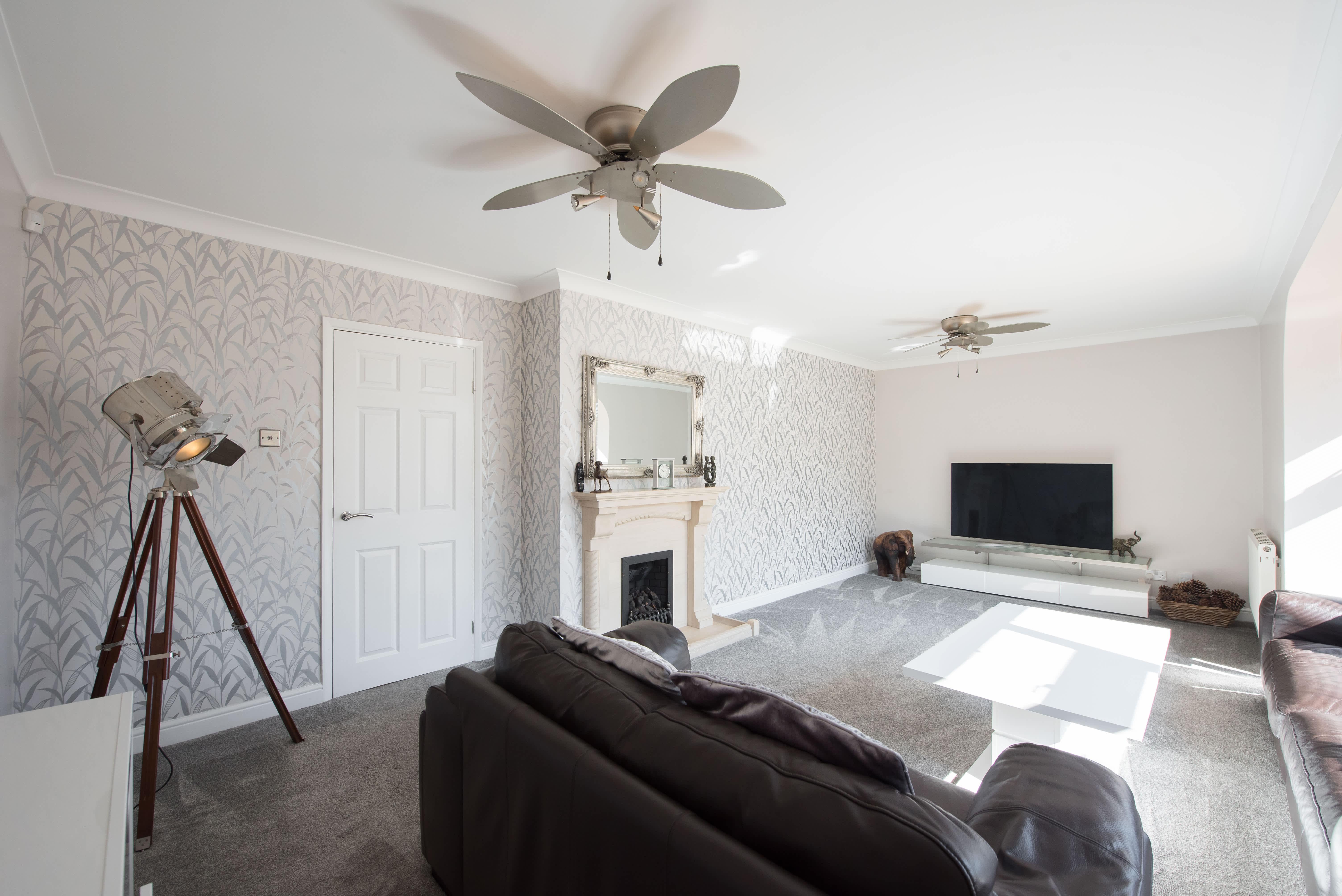
Generally, a ceiling fan should be mounted at least seven feet from the floor in the center of your room with a wall clearance of around 18 inches. If your ceiling is more than eight feet high, it’s recommended by experts that the ceiling fan be mounted around eight to nine feet from the ground. This helps ensure a better quality of circulated airflow.
The Rupert, ID homeowners’ guide to ceiling fan services
From average costs to expert advice, get all the answers you need to get your job done.
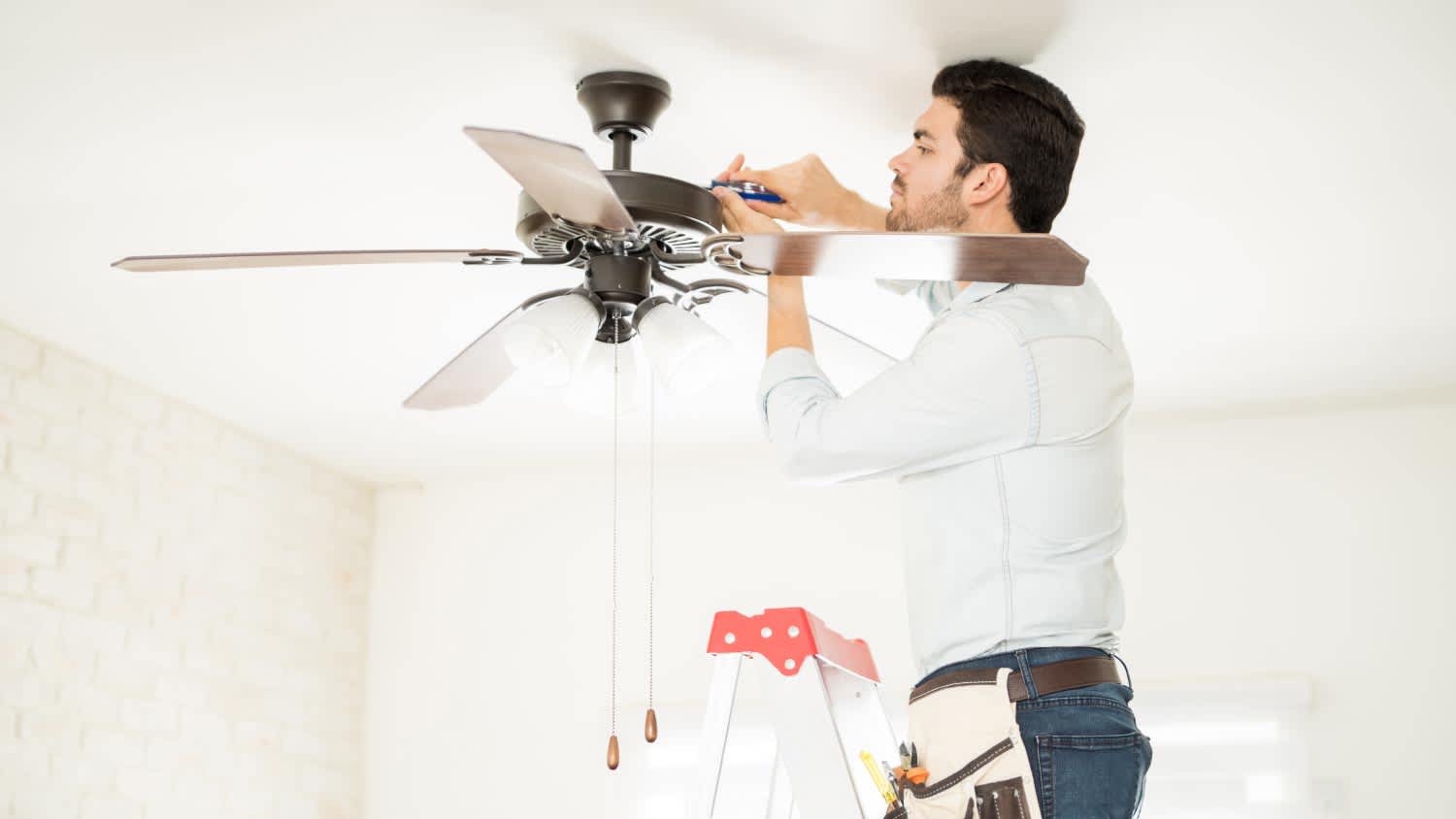
Discover the cost to install a ceiling fan, including labor, materials, and tips to save. Learn what impacts your price and how to budget for your project.
Ceiling fans cool down your home while stylishly accenting your space. With a variety of types of ceiling fan on the market to choose from, you can’t go wrong.
Although the risk is low, there are a few telltale signs that a ceiling fan will fall off your ceiling. This guide explains when to worry (and when not to).