





Top-rated animal removal specialists.

Get matched with top animal removal specialists in Plummer, ID

Enter your zip and get matched with up to 5 pros

Need a pro for your animal removal project in Plummer, ID?

Select your specific project to find the pro for you.

Find Animal removal specialists in Plummer

Animal Removal questions, answered by experts

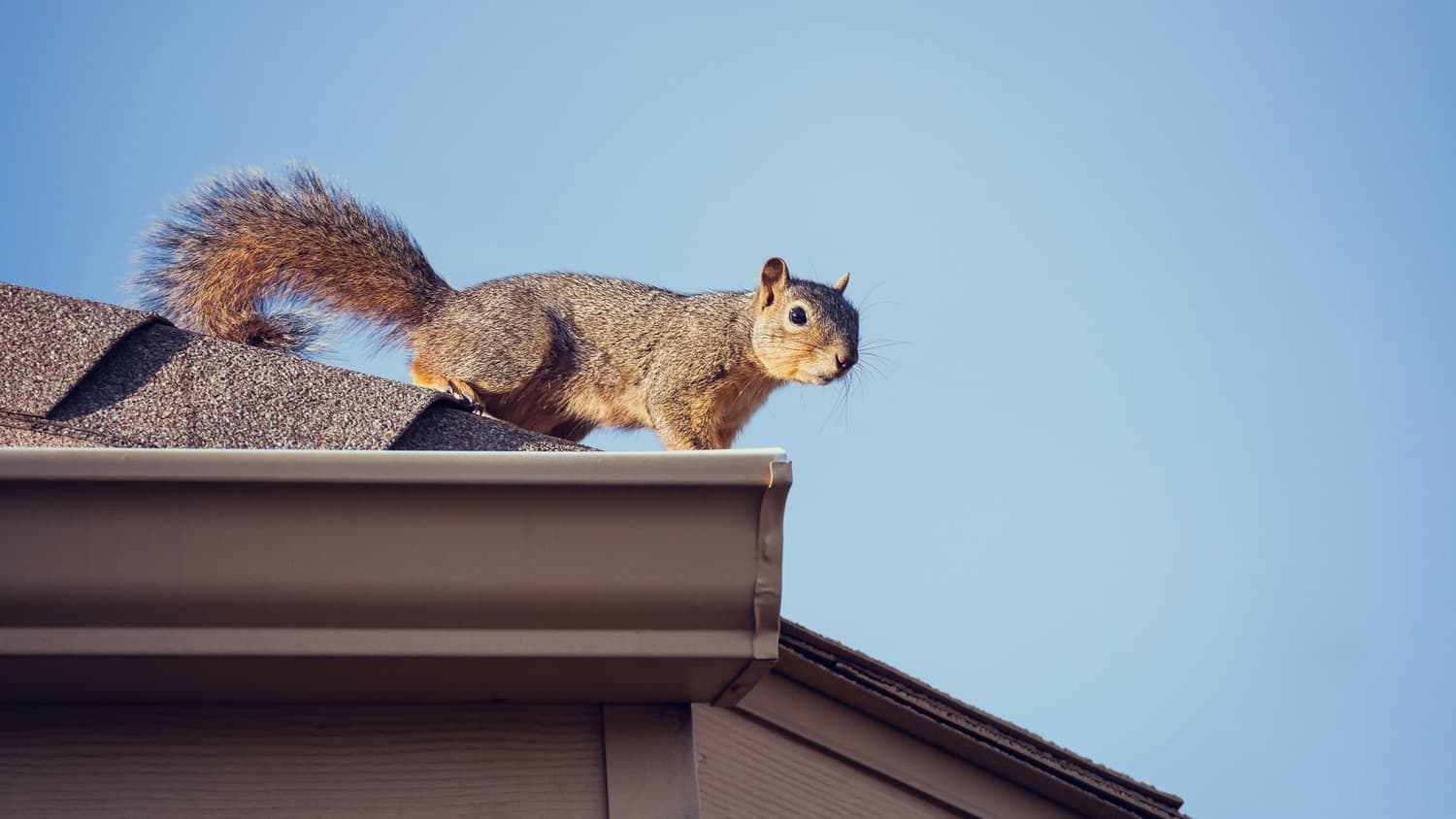
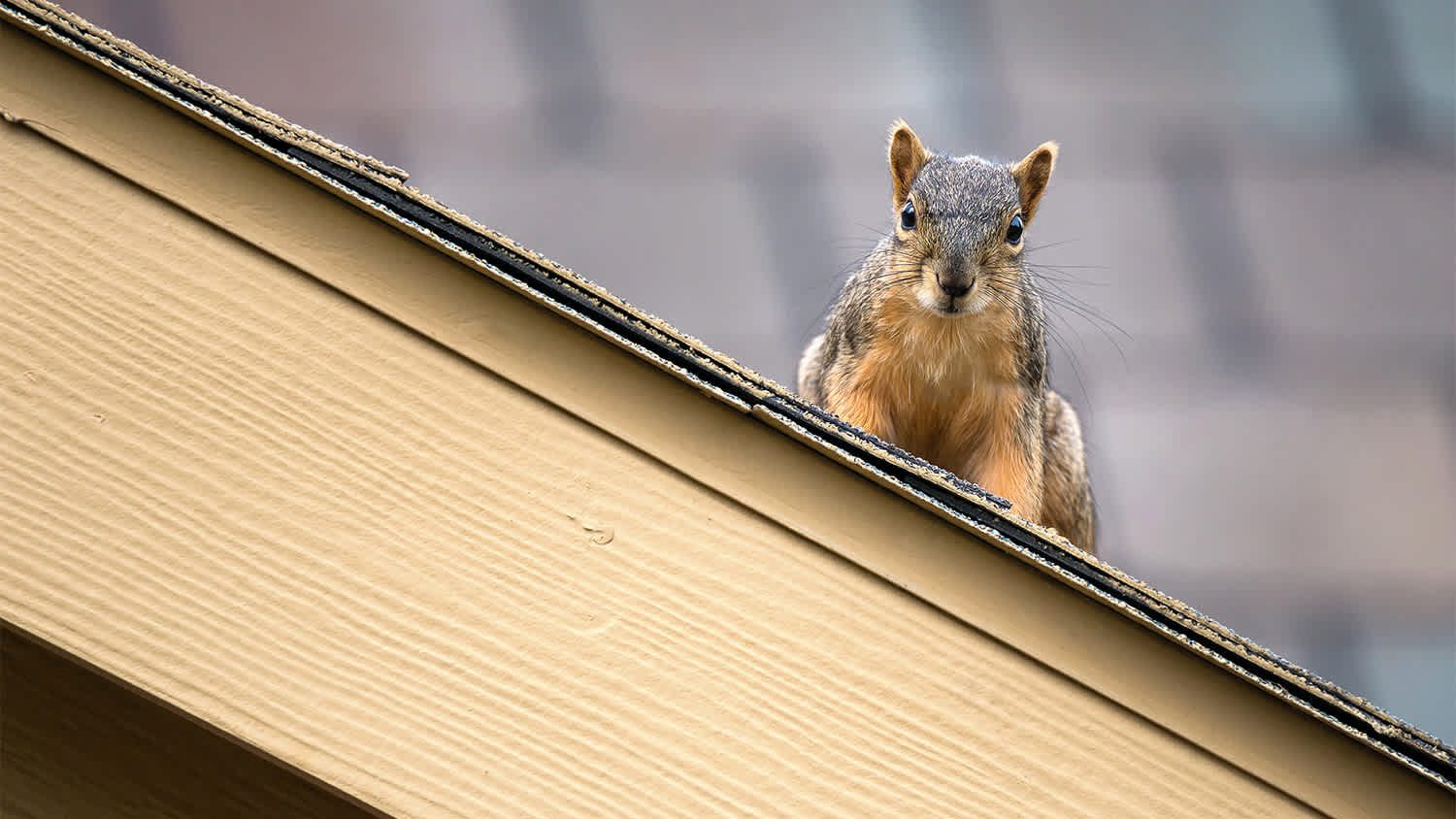
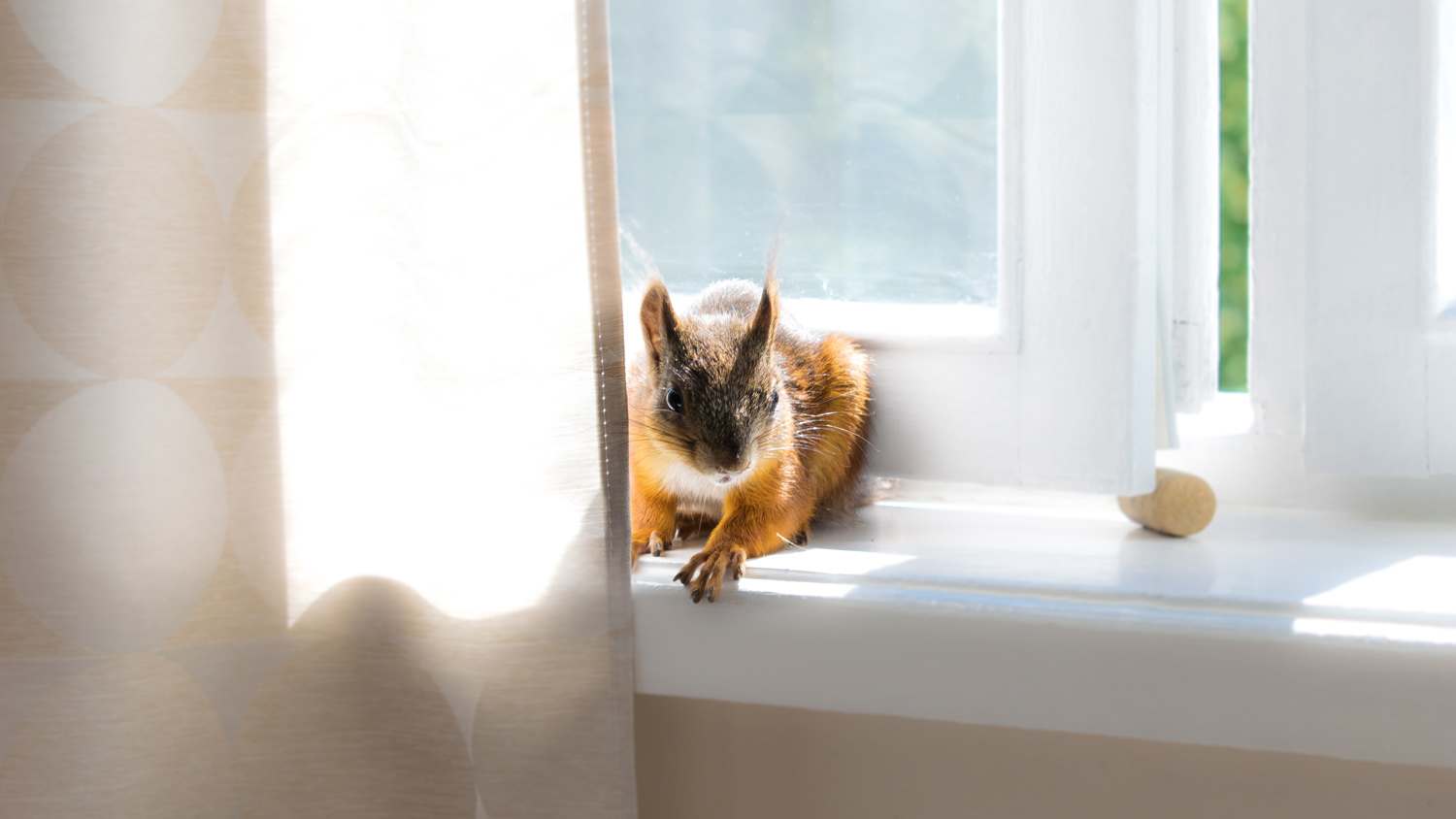
Squirrels are pretty skittish creatures, and they dread the presence of rodent-chasing dogs and cats. Sudden noises and bursts of activity can send them scampering away. Anything with an element of surprise, like motion-detecting lighting, strobe lights, and noisy wind chimes, can unsettle them. Even loud radios and voices can be perceived as threatening and terrifying to these furry critters.

Snakes love yards where they can access pet food, insects, and rodents. They also like places with plenty of hiding spots, such as tall grasses, thick or overgrown shrubbery, pools of water, broken gutters, and boxes. Reducing clutter and debris on your property may help keep them from visiting.

Consider making some noise if you're looking for a straightforward way to put a damper on excessive frog croaking. You don't need to orchestrate a symphony—simple actions like stomping or clapping with gusto can work wonders. You can also try blasting music, but that won't help you make friends with your neighbors. A simpler solution might be learning to live with it. You can try soundproofing your bedroom with heavy-duty noise-reducing curtains.

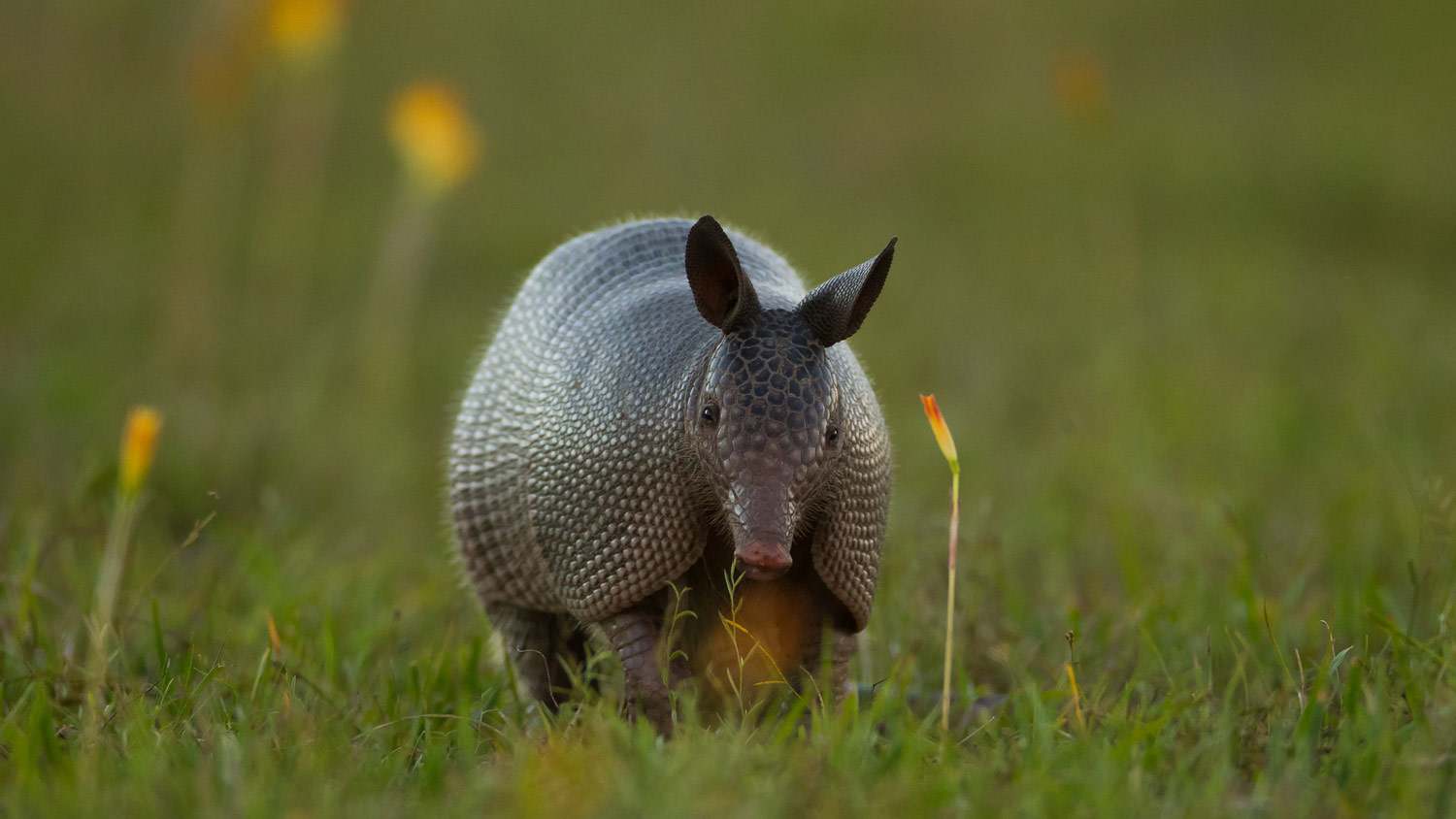
Armadillos have very strong smelling capabilities to track down insects efficiently. But this superpower is actually a double-edged sword because their extreme sense of smell also causes them to be more sensitive and deterred by strong odors. To keep them at bay, you can place small amounts of substances like vinegar, ammonia, and mothballs around your property and near armadillo hotspots.

Although you can technically flood an armadillo out of its hole, it’s important to remember that this can be potentially fatal to the animal. Armadillos sleep between 16 and 18 hours a day, and if you perform this technique while they’re deep in sleep, they may not awake soon enough to save themselves.

Skunks are nocturnal creatures, meaning they are primarily active at night, particularly around dusk and dawn. Their activity levels increase as the weather warms up, and they are generally dormant or inactive during the winter. Skunks are especially active during the spring months when they are foraging for fresh food and seeking mates. While they are typically not seen during the day, daytime activity is possible if a skunk is having trouble finding food, has babies to care for, or is severely ill.

The Plummer, ID homeowners’ guide to animal removal services

From average costs to expert advice, get all the answers you need to get your job done.