


Top-rated fencing pros.

Get matched with top fencing pros in Osburn, ID

Enter your zip and get matched with up to 5 pros

Need a pro for your fencing service project in Osburn, ID?

Select your specific project to find the pro for you.

Find Fencing pros in Osburn

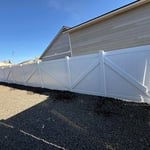
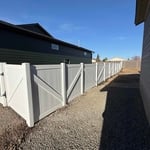
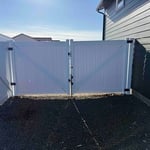
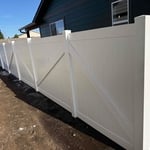
WESTERN FLATWORK AND FENCING LLC
New to Angi
Wood Fence - Install

Serving Osburn, ID and surrounding areas

In business since 2025

Free estimates

Offers commercial services

WESTERN FLATWORK AND FENCING LLC is committed to excellence in every aspect of our business. We uphold a standard of integrity bound by fairness, honesty, and personal responsibility. Our distinction is the quality of service we bring to our customers. Accurate knowledge of our trade combined with ability is what makes us true professionals. Above all, we are watchful of our customers' interests and make their concerns the basis of our business.

Showing 1-10 of 18
Fencing questions, answered by experts

The recommended height for a garden fence depends on its primary purpose. For pest control, the necessary height varies by animal. To keep out small pests like rabbits, a fence should be at least two to three feet tall. If you live in an area with deer, you will need a much taller fence, at least five feet high, to prevent them from jumping over. If the main goal is privacy, the fence should be at least seven feet tall. For purely decorative fences, the height is a matter of personal preference.

Split rail fencing is a type of post and rail fencing. Other post and rail fences include corral board and post and dowel. Post and rail fencing is the term used for any type of fence with vertical posts, horizontal rails, and nothing else (specifically excluding pickets). So, technically, a split rail fence is a post and rail fence.

You can't build a fence against your neighbor's fence if it touches or is attached to it unless you get explicit permission from your neighbor. Most municipalities recommend building a fence about two feet away from your neighbor's fence to allow access for fence repair and mowing.

When choosing wood for a fence, consider your budget and geographic region. The most popular and common types of wood are cedar, redwood, and pressure-treated pine. Cedar is a top choice due to its natural durability, resistance to rot and insects, and budget-friendly price. Redwood is another durable, tried-and-true option, though it is typically more expensive. Pressure-treated wood, such as pine, is also a widely used and popular alternative. These materials are readily available at most hardware stores, which makes future repairs and replacements easier. Their accessibility and long-lasting performance make them excellent choices for most fence installation projects.

The ideal spacing for four-by-four residential fence posts is usually about 6 to 8 feet between posts. However, if the fence is particularly high or you live in a very windy region, you might want to space them closer together for better stability. A fence pro can help you decide on your post spacing. 

The Osburn, ID homeowners’ guide to fencing services

From average costs to expert advice, get all the answers you need to get your job done.