


Top-rated arborists.

Get matched with top arborists in Osburn, ID

Enter your zip and get matched with up to 5 pros

Need a pro for your arboricultural service project in Osburn, ID?

Select your specific project to find the pro for you.

TRUSTED BY OSBURN, ID HOMEOWNERS

  • Average homeowner rating star icon4.9
    Average homeowner rating
  • Verified reviews icon17
    Verified arboricultural services reviews

Find Arborists in Osburn

Avatar for Savage Landscape & Home Repair
Savage Landscape & Home Repair
5.0(
7
)
Tree RemovalTree Trimming

Serving Osburn, ID and surrounding areas

Approved

In business since 2019

Free estimates

Credit card accepted

"He installed a roof on my porch and properly adjusted the pich . He also installed an outlet and fan outside. He was very professional and polite. He does great work and would use him again for future projects."
2 neighbors recently requested a quote
Avatar for CDA Tree and Utility LLC
CDA Tree and Utility LLC
4.5(
8
)
Tree RemovalTree Removal - For BusinessTree Stump - Remove+5 more

Serving Osburn, ID and surrounding areas

Free estimates

Emergency services offered

Credit card accepted

"It was great all work was done according to expectations. The worker was very professional and explained what he was doing. I would Hire this company again. My neighbors already are asking for their names. Very reasonably priced."
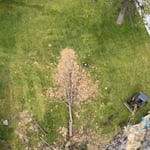
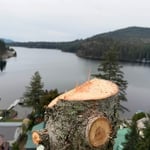
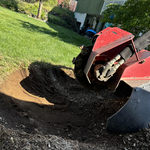
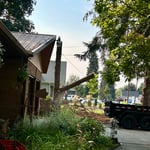
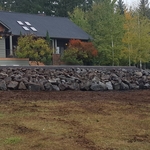
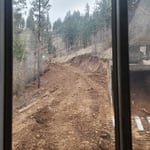
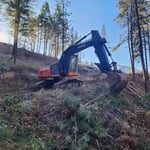
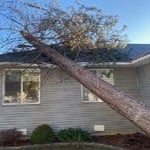
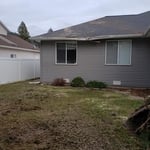
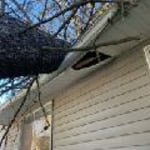
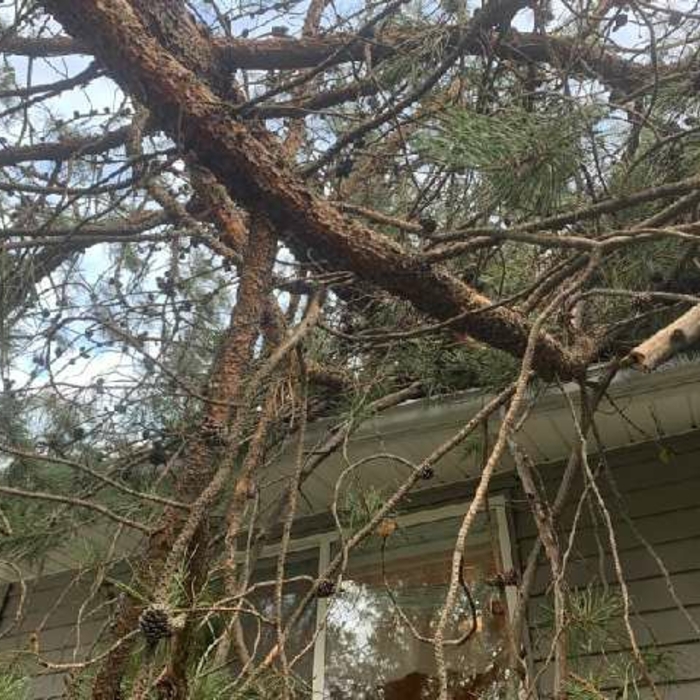
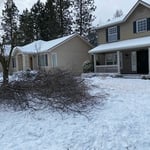
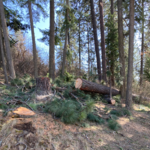
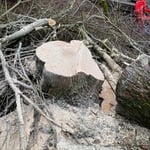
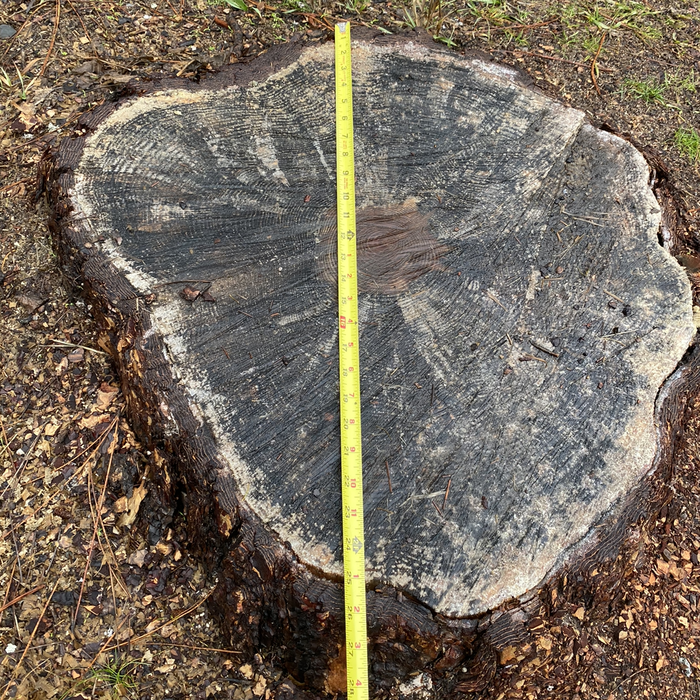
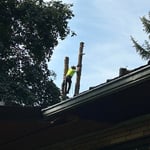
Pine tree removal from roof
wind storm 2021
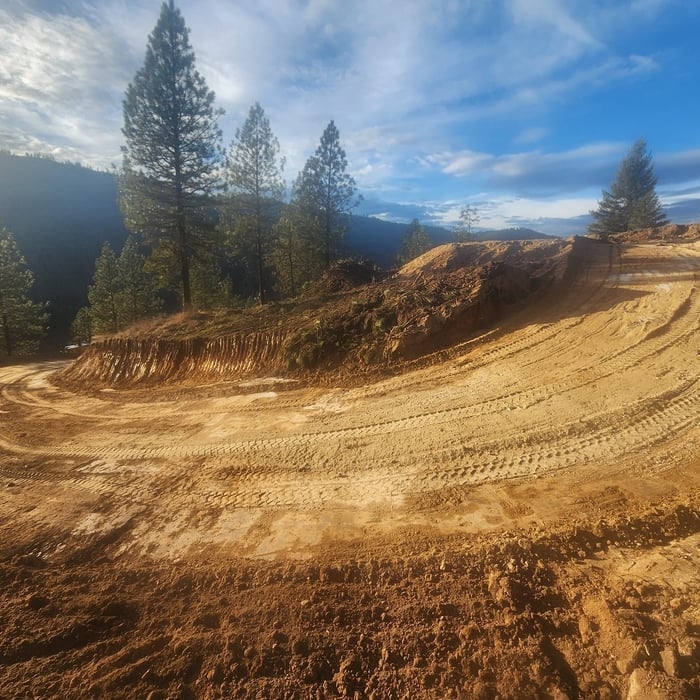
cleaned up with free reseed
Additional Photos
Additional Photos

+5

Response time5 days
Recommended by85%of homeowners
Showing 1-10 of 27
Arborists questions, answered by experts

In general, trees should be planted no closer than 15 to 20 feet from your foundation. For larger trees with far-reaching roots like maples, oaks, or poplars, a good guide is to plant as many feet from your home as the tree’s height is expected to reach at maturity. Some trees, like elms and willows, should only be planted far from where their roots may encounter sewer or water lines.

Cutting down a tree next to power lines is never a DIY job, and it’s a good idea to contact your utility company first. In most cases, the utility company will need to take care of any tree problems within 10 to 15 feet of power lines. If you want to remove the tree for aesthetic reasons, hire a pro to do the job. Trying to cut trees near power lines yourself can create many safety hazards, and you could be liable if you inadvertently cause damage to electrical equipment.

It is possible to cut down a tree on your property yourself, but it is generally not recommended unless specific conditions are met. You should only consider this project if the tree is small (e.g., under 4-5 inches in diameter and short enough that you don't need a ladder to reach the branches), and you are experienced in handling a chainsaw. The tree must also be located far from any power lines, fences, homes, or other structures. Even for small trees, the work can be dangerous, and it's always advisable to have a spotter to ensure the tree falls correctly and no branches fall on you.

For any tree that is large, requires a ladder to access, or is near electrical lines or structures, you should always hire a professional. Attempting to remove a large tree yourself is extremely dangerous, poses a risk of serious injury, and could result in significant damage to your property.

Before any tree removal, it's also important to check your local and state regulations to ensure the tree is not historic or otherwise protected by your city.

Transporting a fully-grown tree requires heavy equipment, typically specialized for the task. A tree spade is a truck-mounted tool that removes the tree from the ground in one location, transports it, and places it in a new hole in a new location. A combination of mechanized shovels and lifts is necessary to move very large trees, and the exact tools often depend on location and the surrounding area.

If you’re planning on keeping the tree, unless the roots are invasive, there’s no need to remove them, as doing so can cause damage to the tree. If the tree has been cut down and the stump and roots are left, grinding and removing the stump can cause root decay for some species. For other species, the stump and roots will need to be removed to prevent pests, disease, and possible tree regrowth.

The Osburn, ID homeowners’ guide to arboricultural services

From average costs to expert advice, get all the answers you need to get your job done.