"Jim is local. It went great. Jim Ferrell is a professional of the highest caliber. Responded quickly, took care of my problems, and advised me as to better means of protection than I had. He came back a second time to uninstall software that I purchased that did not provide adequate protections and installed free software that would do the job. He did the work through remote connection, but is available on site if necessary. For those people needing help on getting red of malware, viruses , etc. on your computer, Jim is local, better than all thse remote out of state location providers, is a mature, highly trained professional in this area. If you go to local computer stores you get very young people that can do a basic job, but are no where near the professional level of Jim. I highly recommend Jim to anyone that needs these type services. "
"When he tested the dryer, a leak in the valve at the propane tank was discovered. Jason explained the dangers of propane and advised us to fix the problem before we used the dryer. He worked with us on the price and payment arrangements. He seems to be very concerned with the quality of his work and the satisfaction of his customers. I would recommend him to anyone! "
"My air conditioner was not working so I contacted my home warranty service and they sent a local company representative to checkout the problem. It was a capacitor - the technician installed the part and it has been working ever since."
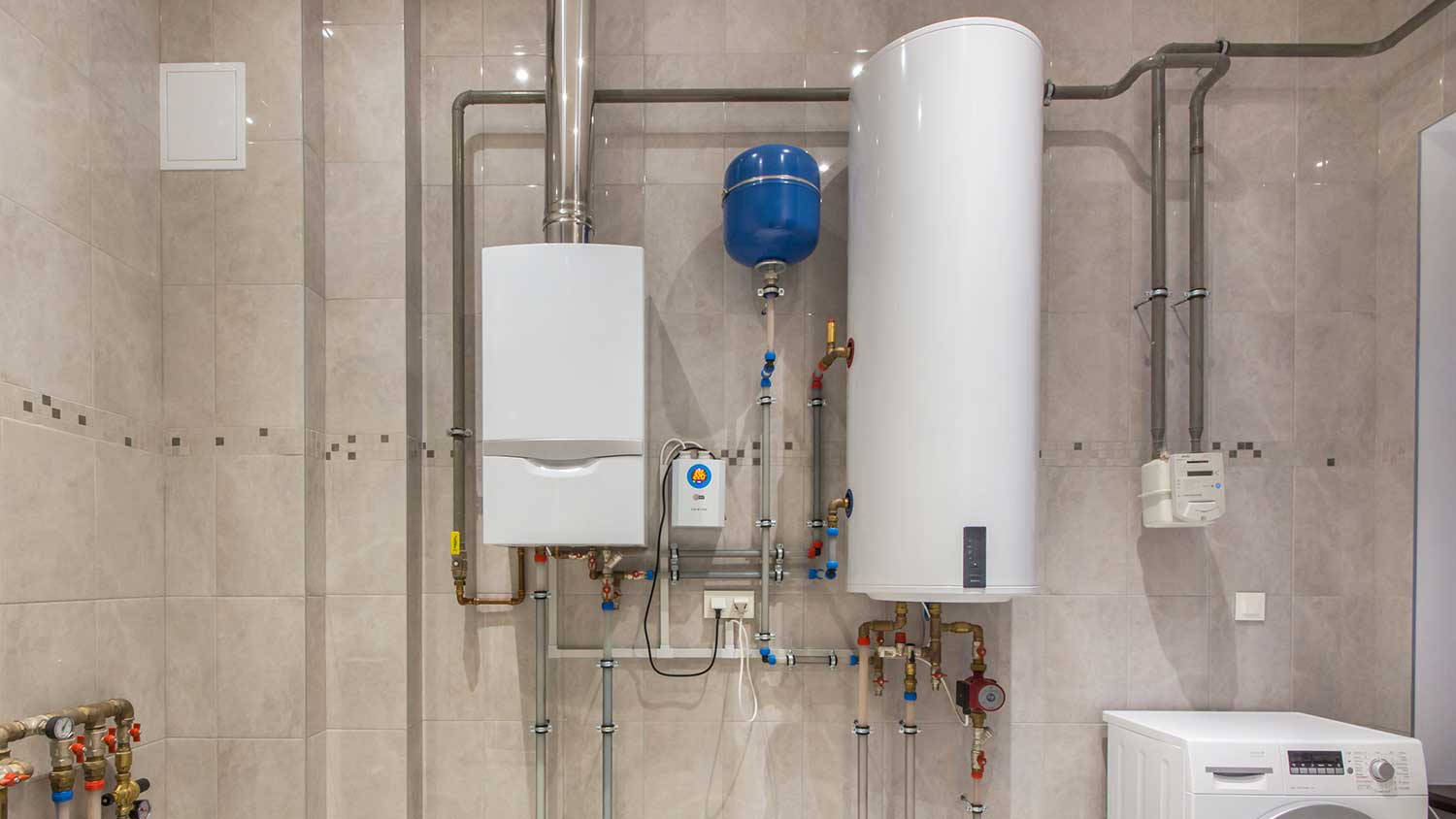
A furnace takes in cool air, heats it through the burner and heat exchanger, and sends the air on its way to warm your home. A boiler is a pressurized vessel that produces hot water or steam to heat the home and provide hot water. A boiler may or may not work together with a furnace.
Generally, an oil furnace is considered safer than a gas furnace for several reasons. While both types of furnaces can produce carbon monoxide, a leak in an oil furnace is easier to detect due to the smell. Oil furnaces also don't connect to a gas pipeline, which reduces the chance of a fuel leak. Most importantly, heating oil is not combustible, whereas natural gas is highly flammable. This means there is a much lower risk of combustion or explosion with an oil furnace. However, an oil furnace can still pose a fire hazard if it tips over.
Overall, heating your home with an oil furnace tends to be less expensive than heating your home with an electric heating system. Oil heating systems stay warm for longer periods of time without drawing a constant electrical current to maintain a temperature. Plus, heating oil systems typically have a longer lifespan and lower price tag than their electrical counterparts, resulting in short- and long-term savings.
Yes, you can build a sunroom addition to your home despite living in a cold climate. Make sure to use high-quality insulation and windows and to supplement with sufficient heating from your HVAC system. The windows in the sunroom allow enough natural light into the room to help heat it most times without having to use the furnace. Even a small electric fireplace can heat the sunroom well enough.
The main difference between an outdoor wood furnace versus an outdoor wood boiler is what each appliance is heating. An outdoor wood furnace burns wood to create heat, which warms the air and moves it through the ducts in your home. An outdoor wood boiler uses the heat from burning wood to warm water, which goes through pipes to radiators in the home.
The Fairfield, ID homeowners’ guide to boiler installation services
From average costs to expert advice, get all the answers you need to get your job done.
Discover the average electric boiler installation cost, key price factors, and ways to save. Get transparent, expert-backed estimates for your project.