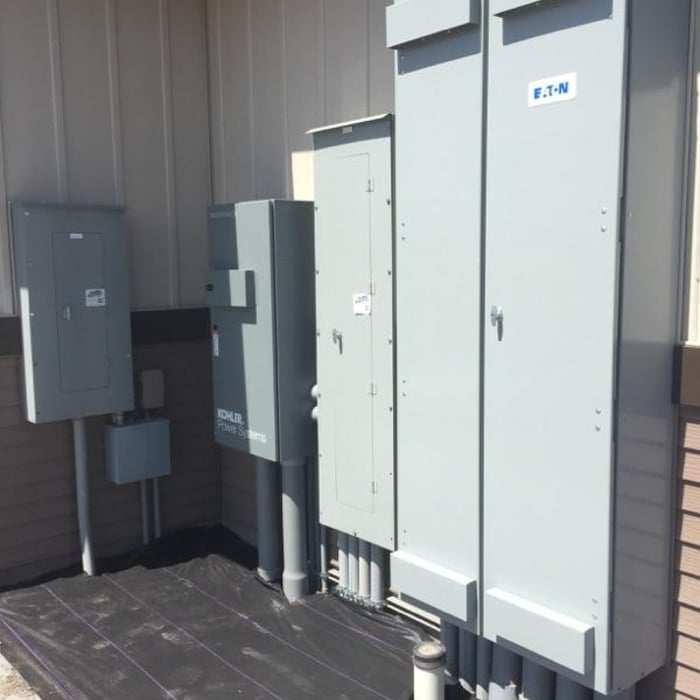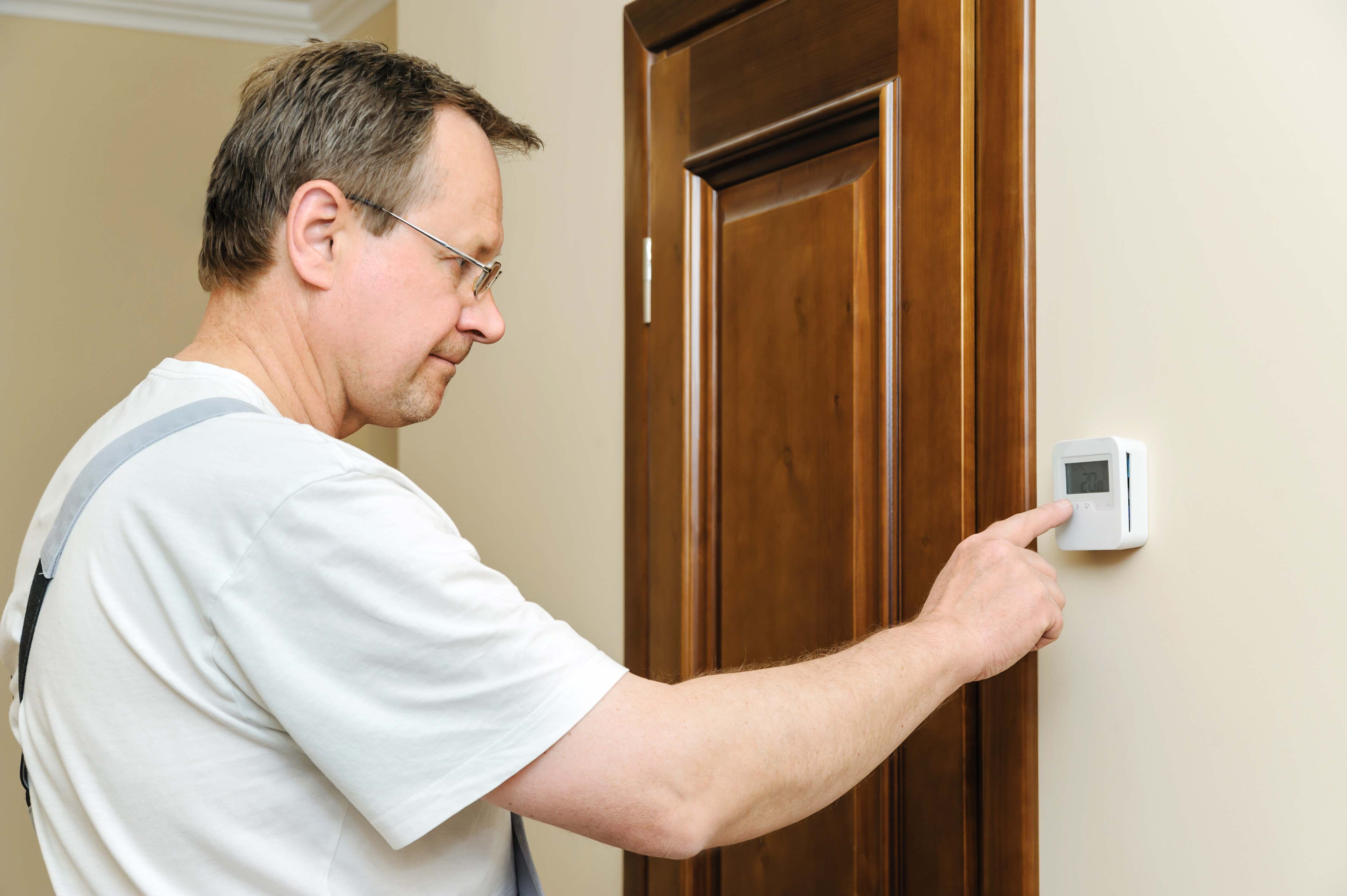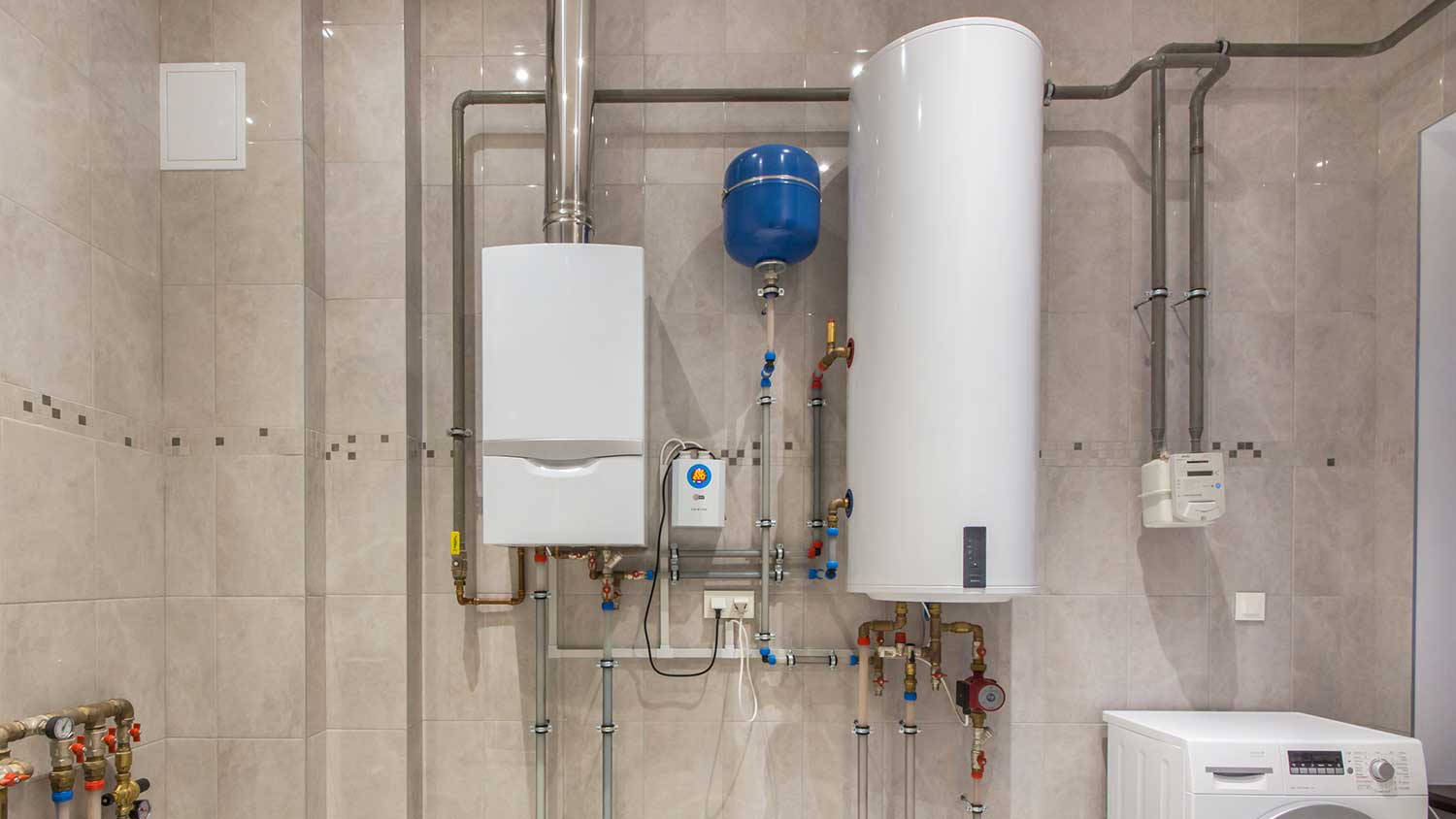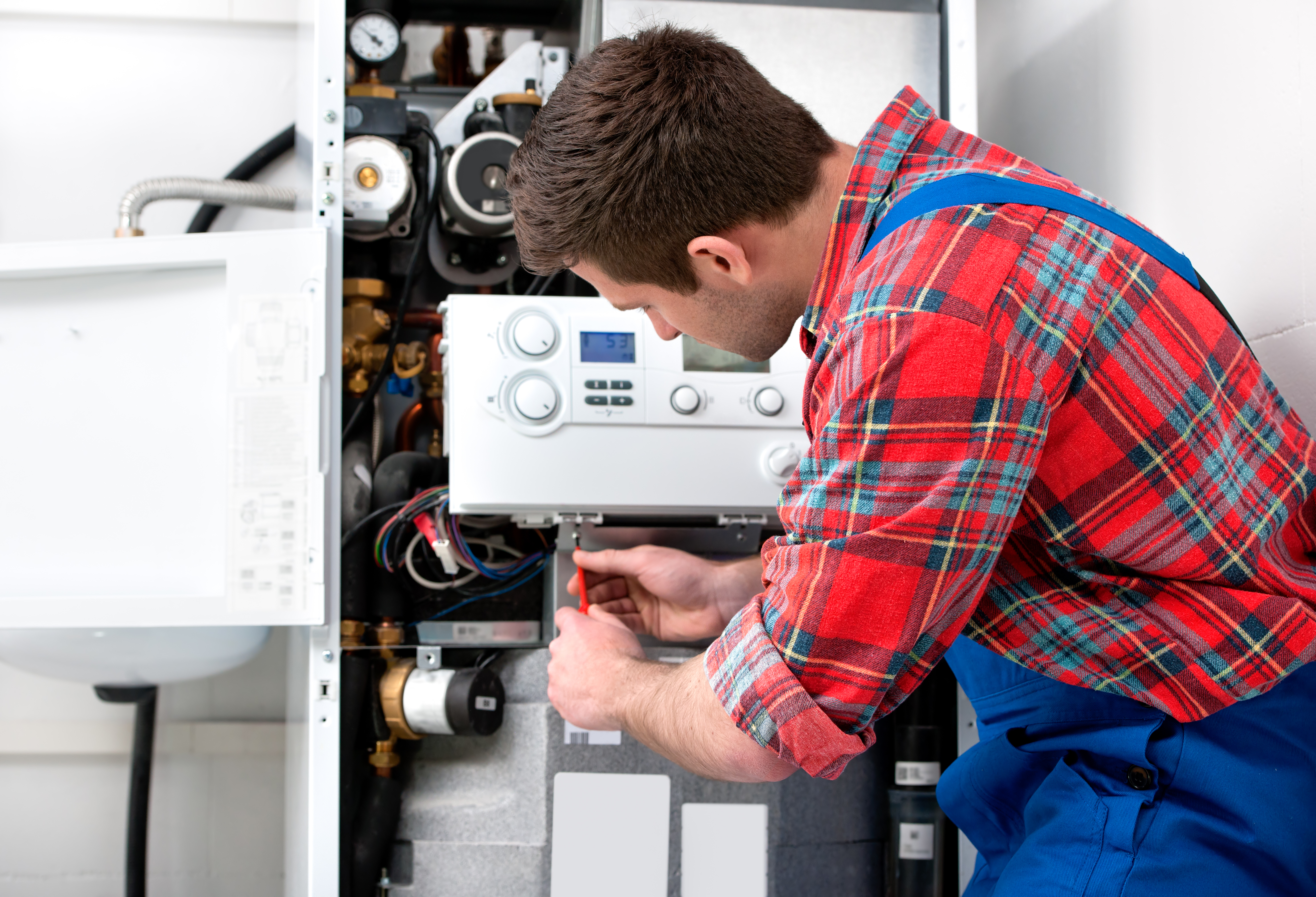
"Magic Electric, Plumbing & Heating/Air... I have purchased a 102 yr older home in Hagerman, ID. MAGIC: Tucker, Cleaned, Tuned my furnace ASAP. Angel and Adam worked diligently for 2 weeks, plaster/lathe, to rewire my home and shop to code electrically and also functionally for my needs. The also installed exterior security lights. Arron and Cody worked hard and long, in my 1.5 ft. crawl space to upgrade my plumbing Drainage, sinks and commode were reset, outdoor spigots repiped. Installed 2 hot water heaters and a water softener. WOW!!!! I truly, respectfully APPRECIATE each and EVERY ONE of these Professionals who have worked pleasantly through this process. THANK YOU, MAGIC MEN! You all deserve a round to applause and my Gratitude. BRAVO!"

"Jim is local. It went great. Jim Ferrell is a professional of the highest caliber. Responded quickly, took care of my problems, and advised me as to better means of protection than I had. He came back a second time to uninstall software that I purchased that did not provide adequate protections and installed free software that would do the job. He did the work through remote connection, but is available on site if necessary. For those people needing help on getting red of malware, viruses , etc. on your computer, Jim is local, better than all thse remote out of state location providers, is a mature, highly trained professional in this area. If you go to local computer stores you get very young people that can do a basic job, but are no where near the professional level of Jim. I highly recommend Jim to anyone that needs these type services. "
"When he tested the dryer, a leak in the valve at the propane tank was discovered. Jason explained the dangers of propane and advised us to fix the problem before we used the dryer. He worked with us on the price and payment arrangements. He seems to be very concerned with the quality of his work and the satisfaction of his customers. I would recommend him to anyone! "
"My air conditioner was not working so I contacted my home warranty service and they sent a local company representative to checkout the problem. It was a capacitor - the technician installed the part and it has been working ever since."
If you're often struggling with radiator issues like chilly spots, leaks, or annoying noises, those are common indications that your radiator may need to be replaced. Corrosion, uneven heating, and persistent hissing sounds are common issues as well. When repairs become a regular chore and your home’s energy bills start to rise, a new radiator will bring the comfort and savings you need.
The cost-efficiency of baseboard heaters depends on the type and how you use them. Generally, standard electric baseboard heaters can be expensive to run because they use electric resistance heating, which is less energy-efficient than systems like forced-air or heat pumps. However, hydronic and gas versions are typically much cheaper to operate. Hydronic models are more energy-efficient because they heat a liquid that retains warmth longer, preventing the thermostat from turning on and off as often. The overall running cost is also influenced by local electricity rates, your home's insulation, and your usage habits. To increase efficiency, you can use baseboard heaters for zoning, meaning you only heat the specific rooms you are using.
The radiators closest in proximity to the boiler heating system will heat up first. Radiators in rooms farther away from the boiler will take longer to heat up and may be the coolest rooms in the house. The radiator unit itself should heat up evenly; otherwise, there may be trapped air inside it.
An expansion tank must always be installed on the supply side, which is the side where the boiler sends water out to heat the systems. That placement allows the water to push against the air and condense properly as it is heated, then circulated through the system. Professional installers can recommend the best place on the supply side for an expansion tank.
Generally, an oil furnace is considered safer than a gas furnace for several reasons. While both types of furnaces can produce carbon monoxide, a leak in an oil furnace is easier to detect due to the smell. Oil furnaces also don't connect to a gas pipeline, which reduces the chance of a fuel leak. Most importantly, heating oil is not combustible, whereas natural gas is highly flammable. This means there is a much lower risk of combustion or explosion with an oil furnace. However, an oil furnace can still pose a fire hazard if it tips over.
The Wendell, ID homeowners’ guide to boiler installation services
From average costs to expert advice, get all the answers you need to get your job done.
Discover the average electric boiler installation cost, key price factors, and ways to save. Get transparent, expert-backed estimates for your project.