


"Jim is local. It went great. Jim Ferrell is a professional of the highest caliber. Responded quickly, took care of my problems, and advised me as to better means of protection than I had. He came back a second time to uninstall software that I purchased that did not provide adequate protections and installed free software that would do the job. He did the work through remote connection, but is available on site if necessary. For those people needing help on getting red of malware, viruses , etc. on your computer, Jim is local, better than all thse remote out of state location providers, is a mature, highly trained professional in this area. If you go to local computer stores you get very young people that can do a basic job, but are no where near the professional level of Jim. I highly recommend Jim to anyone that needs these type services. "
"When he tested the dryer, a leak in the valve at the propane tank was discovered. Jason explained the dangers of propane and advised us to fix the problem before we used the dryer. He worked with us on the price and payment arrangements. He seems to be very concerned with the quality of his work and the satisfaction of his customers. I would recommend him to anyone! "
"My air conditioner was not working so I contacted my home warranty service and they sent a local company representative to checkout the problem. It was a capacitor - the technician installed the part and it has been working ever since."
The best time to buy home heating oil is in the summer when the demand is lowest, as the prices are usually lower. However, waiting until the summer to buy is often unavoidable unless you install a separate storage tank. If you have the space for a second tank, you can expect to pay between $1,000 and $4,000 for the oil tank replacement or installation, depending on the capacity and location. You could quickly recuperate these costs, though, by stocking up on heating oil in the summer and avoiding deliveries in the winter when prices are highest.
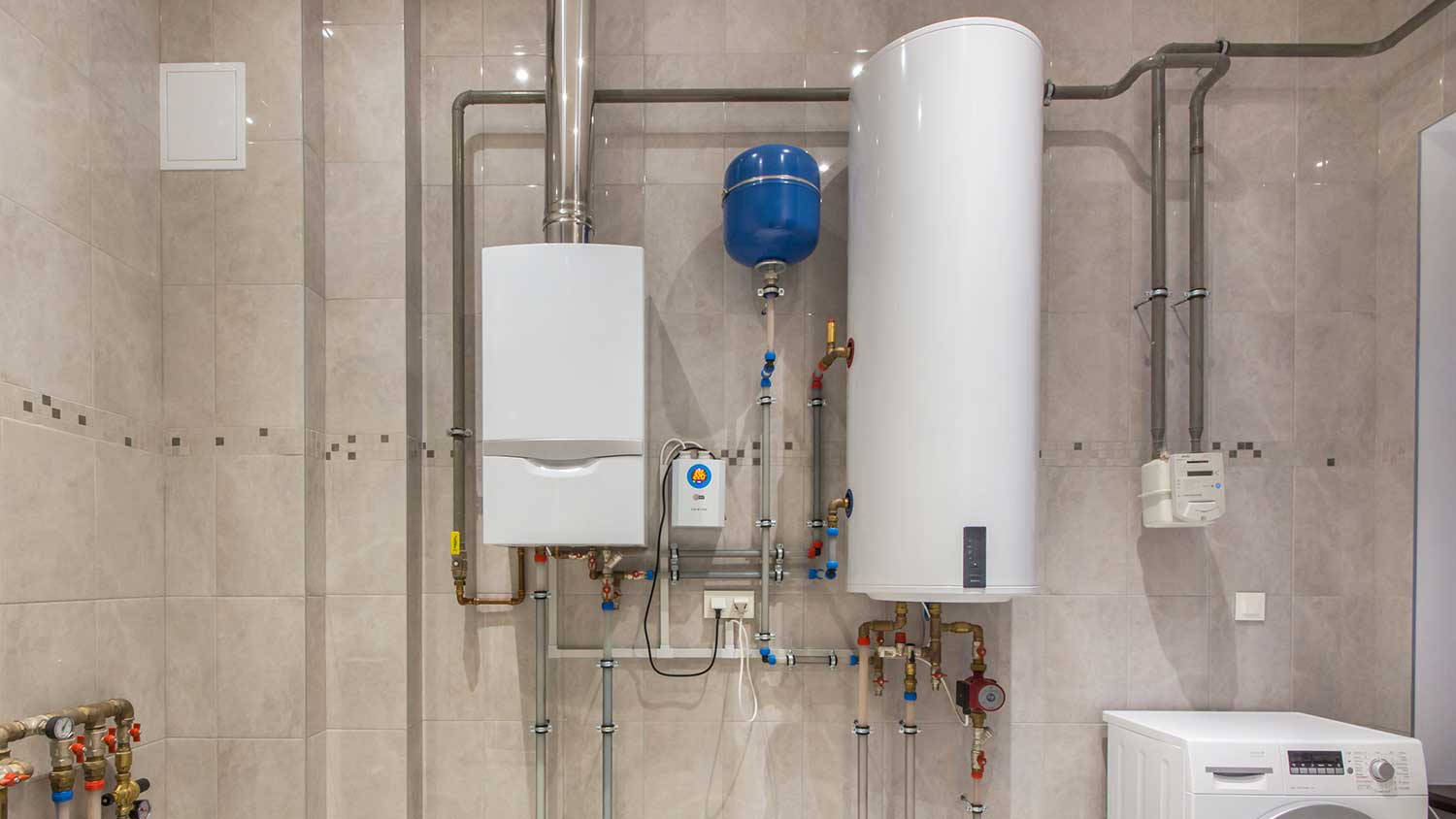
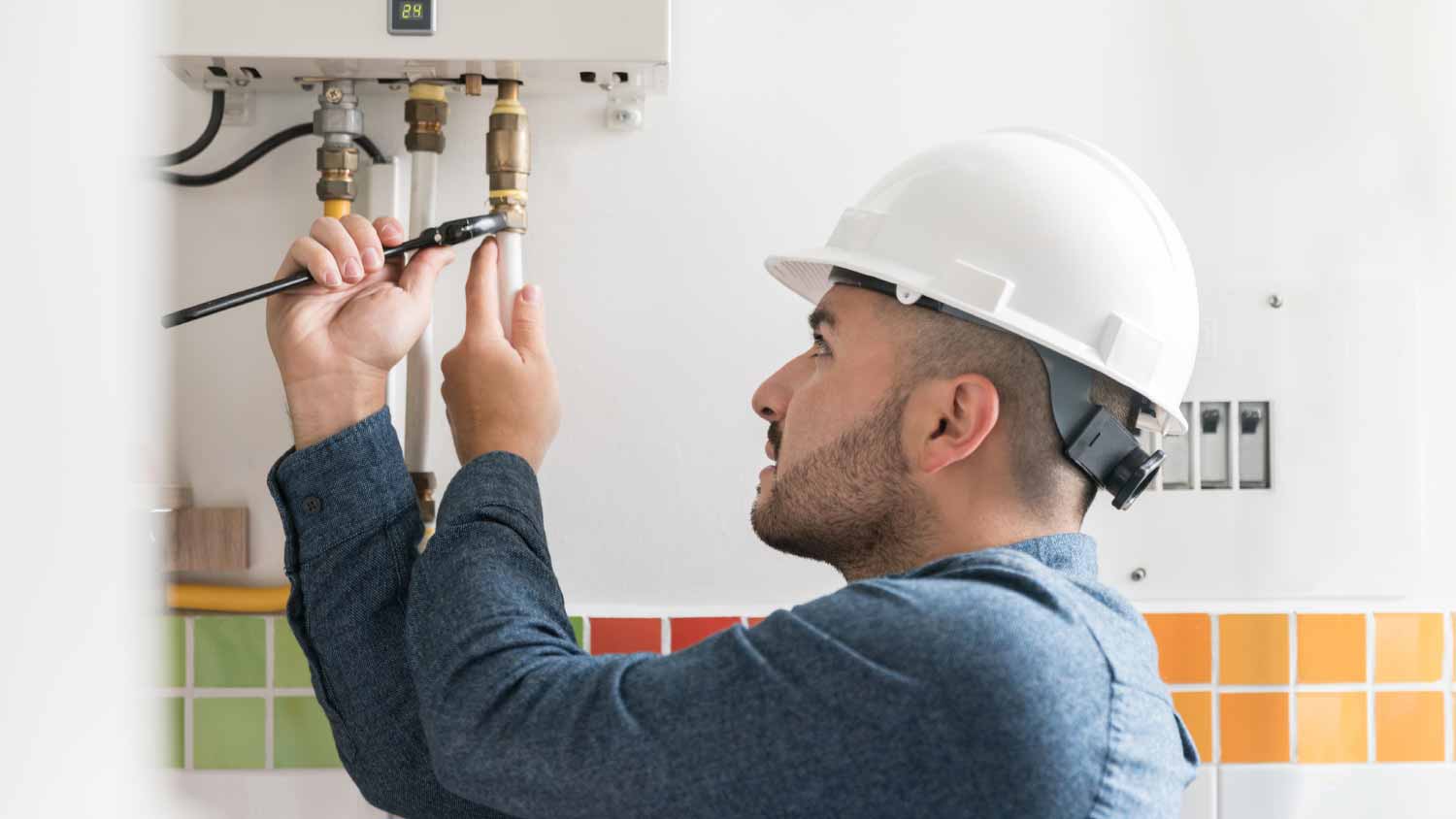
Boilers provide even heating, energy efficiency, and a quiet operation compared to forced air systems.
Chilled water HVAC systems use water instead of traditional components and refrigerants. They're more common in commercial settings than residential ones but are slowly being adopted by some homebuilders to cool homes. As the name implies, the system keeps the water chilled at 40 degrees and circulates it through water coils. The water absorbs the heat from your home and drains outdoors. Condo apartments are more likely to have chilled water HVAC than single-family homes because this system is designed to cool several rooms or large areas individually.
Deciding whether or not to replace radiators with a different heating system depends on your personal preferences. Radiators can take longer to heat up than a central heating system, and they take up floor space. However, they can be very efficient at heating, and they keep rooms at a more comfortable humidity level in the winter than forced-air systems.
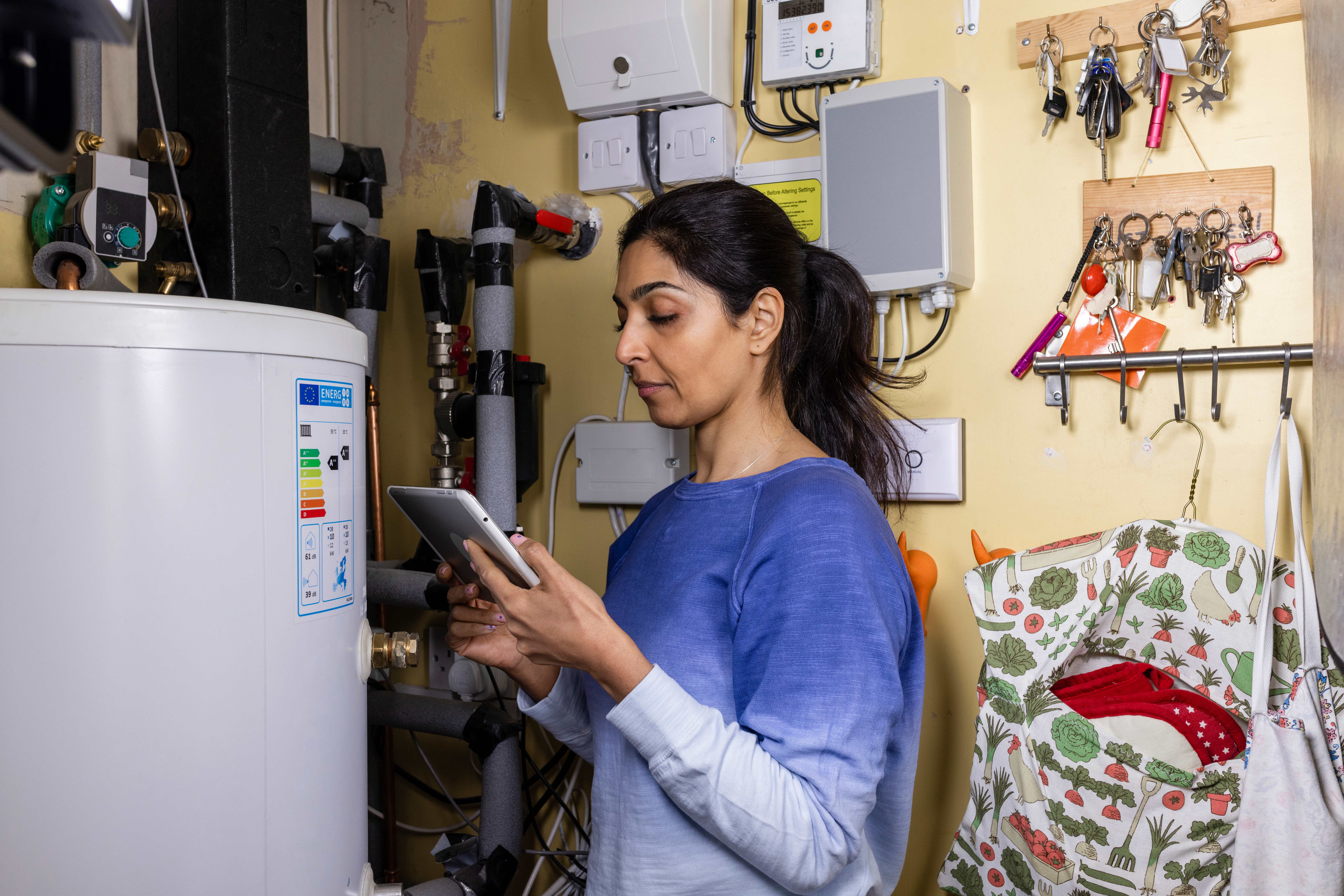
Yes. Boilers need water to run without overheating, also known as dry firing. If you run it without a sufficient volume of water, either because of a burst pipe or a leak, you run the risk of damaging your machine or jeopardizing the safety of your home as a whole. When in doubt, shut off your boiler and repair any plumbing issues before turning it back on. Alternatively, consider installing a low-water cutoff (LWCO) before any issues arise. This gadget will protect your boiler by monitoring water levels and automatically shutting it off if it gets too low.
The Buhl, ID homeowners’ guide to boiler installation services
From average costs to expert advice, get all the answers you need to get your job done.
Discover the average electric boiler installation cost, key price factors, and ways to save. Get transparent, expert-backed estimates for your project.