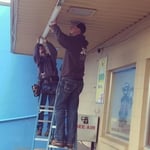
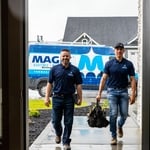
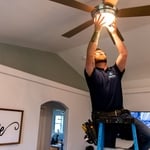
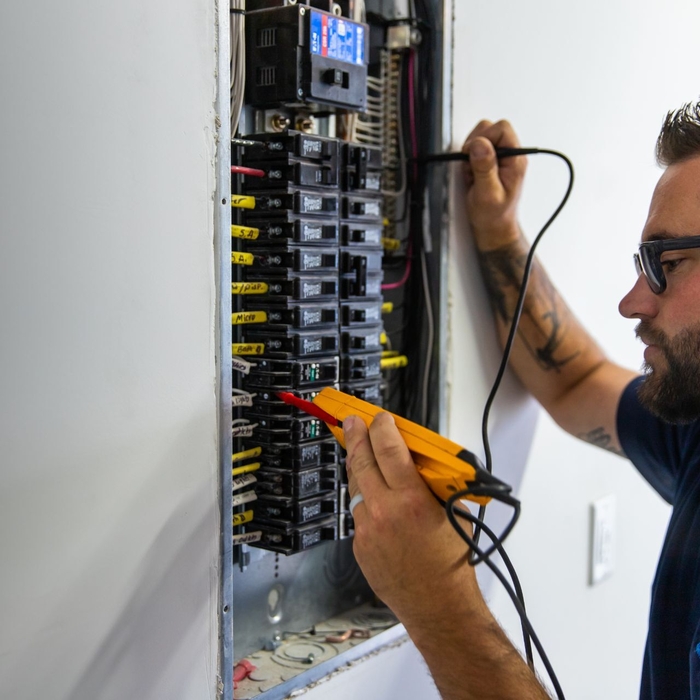
"Project: install and replace electrical panels, wire newly constructed garage. I recommend this company. They were prompt, thorough, friendly, and did quality work. My construction contractor said this was the first time he saw an electrical crew sweep up in his 23 years of experience."
"This company's employees are professional and friendly. I had them install our a/c (we didn't have any). The job was done perfectly. Can't recommend them enough."
"Jim is local. It went great. Jim Ferrell is a professional of the highest caliber. Responded quickly, took care of my problems, and advised me as to better means of protection than I had. He came back a second time to uninstall software that I purchased that did not provide adequate protections and installed free software that would do the job. He did the work through remote connection, but is available on site if necessary. For those people needing help on getting red of malware, viruses , etc. on your computer, Jim is local, better than all thse remote out of state location providers, is a mature, highly trained professional in this area. If you go to local computer stores you get very young people that can do a basic job, but are no where near the professional level of Jim. I highly recommend Jim to anyone that needs these type services. "
"When he tested the dryer, a leak in the valve at the propane tank was discovered. Jason explained the dangers of propane and advised us to fix the problem before we used the dryer. He worked with us on the price and payment arrangements. He seems to be very concerned with the quality of his work and the satisfaction of his customers. I would recommend him to anyone! "
"Well, the first time the replacement was ordered it was the wrong one, which of course, delayed the installation a week. When it was finally installed I had to pay an additional $850 for code upgrades. This I was not informed of by Home Shield. Then we noticed that there was water on the garage floor and found that the pipe coming in from the wall was leaking at the wall so had to call the plumbing company back out to fix it. They first tried to say it was not their fault but since there wasn't a leak before they installed they did fix it. I have used Home Shield a few times before and never had a problem. Some of the companies they use are not the best so you have to research them before you commit. I have found HS service to be good if you do your homework. At the end of the day I was without hot water for almost 3 weeks but it was do to the plumbing company they sent out."
The cost of propane and related services varies depending on tank size and location but generally ranges from $500 to $2,500 for installation and initial fill.
Costs range from $3,000 to $7,500, depending on system size and efficiency.
Generally, an oil furnace is considered safer than a gas furnace for several reasons. While both types of furnaces can produce carbon monoxide, a leak in an oil furnace is easier to detect due to the smell. Oil furnaces also don't connect to a gas pipeline, which reduces the chance of a fuel leak. Most importantly, heating oil is not combustible, whereas natural gas is highly flammable. This means there is a much lower risk of combustion or explosion with an oil furnace. However, an oil furnace can still pose a fire hazard if it tips over.
Warmed or cooled air can escape your home through drafty windows and doors. If you notice any gaps, be sure to caulk and seal them. You can also hire a local pro for an energy audit to get a list of energy-saving recommendations.
Finally, check your insulation. It can settle in over time and become less effective. The Environmental Protection Agency (EPA) estimates that you can save an average of 15% on heating and cooling costs (or 11% of total energy costs) by sealing leaks and making sure attics, crawl spaces, and basements have a nice layer of insulation.
If you're often struggling with radiator issues like chilly spots, leaks, or annoying noises, those are common indications that your radiator may need to be replaced. Corrosion, uneven heating, and persistent hissing sounds are common issues as well. When repairs become a regular chore and your home’s energy bills start to rise, a new radiator will bring the comfort and savings you need.
The Bruneau, ID homeowners’ guide to boiler installation services
From average costs to expert advice, get all the answers you need to get your job done.
Discover the average electric boiler installation cost, key price factors, and ways to save. Get transparent, expert-backed estimates for your project.