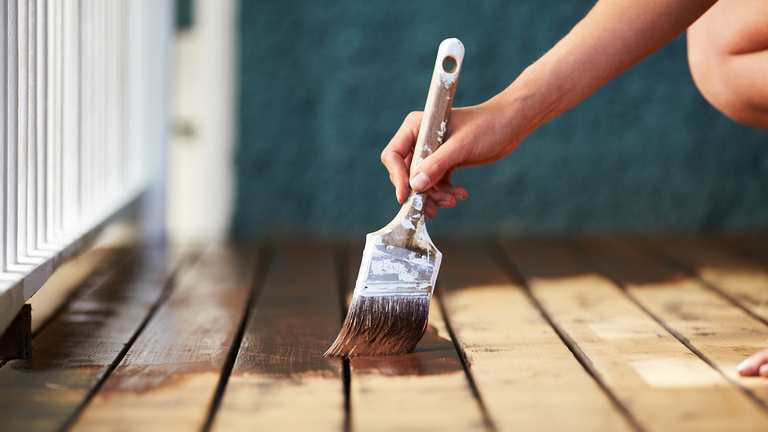






Top-rated deck staining pros.

Get matched with top deck staining pros in Council, ID

Enter your zip and get matched with up to 5 pros

Need a pro for your deck staining project in Council, ID?

Select your specific project to find the pro for you.

Find Deck staining pros in Council

Avatar for Welcome Home Moving Services
Welcome Home Moving Services
5.0(
7
)

Serving Council, ID and surrounding areas

In business since 2020

Free estimates

Credit card accepted

"They were excellent, I would highly recommend. Everyone was very professional and showed up right when they said they would. They were gentle and everything arrived intact. They had us on the road in no time."
Additional Photos
Additional Photos
Additional Photos
Additional Photos
Additional Photos

+1

Recommended by100%of homeowners
Avatar for FreshCoat Idaho
FreshCoat Idaho
5.0(
1
)

Serving Council, ID and surrounding areas

In business since 2023

Free estimates

Small jobs welcome

"review updated 4/14/26 Jason truly is a one of a kind painter. His prices were super reasonable and he was very quick to get the job done, WELL! I am extremely satisfied with the work he?s done on the outside, and inside of my house. I highly recommend him to others in the area, he does more than exceptional work. Thank you again for all the work you did for us Jason! The dude is really nice, very hard working and has amazing ethic. Highly recommend"
Response time2 days
Recommended by100%of homeowners
Showing 1-10 of 14
Deck Staining questions, answered by experts

Stain is meant to be absorbed by the porous wood, allowing some of the natural grain to show through. With that in mind, you don’t want to add more stain than the wood can absorb, as you risk covering up its natural markings. Generally, two coats is the maximum you should do, although very dense hardwoods may only be able to take a single coat.

Staining a deck is typically less expensive upfront than painting. The cost to stain a deck professionally averages around $850, with most homeowners paying between $550 and $1,250, depending on the deck's size. A DIY staining project can cost less than $100. The cost to paint a deck ranges from $500 to $2,000. While the initial cost of staining is lower, it's important to consider long-term expenses. Paint can last up to 10 years, whereas stain needs to be reapplied every few years, which could lead to higher costs over time.

Limewash and whitewash are two techniques used to give brick a light, matte finish, but they differ in composition, application, and permanence. The best choice depends on your aesthetic goals and the specific surface.
Composition

  • Limewash: A natural and environmentally friendly option made from limestone, water, and sometimes pigments. It is breathable and soaks into porous surfaces like brick.

  • Whitewash: Traditionally made from lime, water, chalk, and binders, but a similar look can be achieved with watered-down white paint. It is paint-based and sits on top of the surface.

Appearance and Finish

  • Limewash: Provides a natural, textured appearance that allows the brick's character to show through. It offers a more traditional finish.

  • Whitewash: Creates a softer, more opaque finish, often used for a rustic or shabby-chic style.

Application and Permanence

  • Limewash: Is semi-permanent and can be removed, making it a good choice if you might want to change the look in the future. It requires more skill to apply and cannot be used on previously painted brick.

  • Whitewash: Is a more permanent solution. It is more forgiving to apply and can be used on painted brick. However, because it sits on the surface, it can trap moisture.

Ultimately, if you want a breathable, natural, and reversible finish for unpainted brick, limewash is a great option. If you need a more permanent, opaque coating that can be applied over painted surfaces, whitewash is the better choice. Whitewashing may also be more economical, costing approximately $1.40 to $4.20 per square foot.

Liquid rubber is great for waterproofing, but it can damage your deck if it’s not applied correctly. First, it can trap moisture in the wood if the deck isn’t completely dry before application.  Second, applying it too thickly can create a heavy, rubbery surface layer that peels and cracks under fluctuating temperatures. For the best results, ensure the wood is completely dry before application, and apply the liquid rubber in thin, even coats. A quick inspection every now and then will help you catch any issues early, keeping your deck protected and looking its best.

Essential tools include brushes or rollers, drop cloths, sandpaper or power sanders, and appropriate cleaning supplies. Quality materials ensure long-lasting results.

The Council, ID homeowners’ guide to deck staining services

From average costs to expert advice, get all the answers you need to get your job done.