




Top-rated outdoor kitchen pros.

Best outdoor kitchen pros near Basalt, ID

Enter your zip and get matched with up to 5 pros

Need a pro for your outdoor kitchen service project in Basalt, ID?

Select your specific project to find the pro for you.

Top-Rated Outdoor kitchen pros in Basalt - Updated Nov 2026

Outdoor Kitchens FAQs, answered by experts

Built-in gas grills typically have a life span of 10 to 15 years. However, their longevity can vary based on quality, usage frequency, climate conditions, and maintenance routines. High-quality models made from durable materials tend to last longer. Additionally, regular cleaning, covering the grill when not in use, and conducting routine maintenance tasks such as cleaning burners and replacing worn-out parts can extend its life. A well-maintained built-in gas grill can provide excellent performance and memorable cooking experiences for a decade or more, making it a worthwhile investment for outdoor cooking enthusiasts.

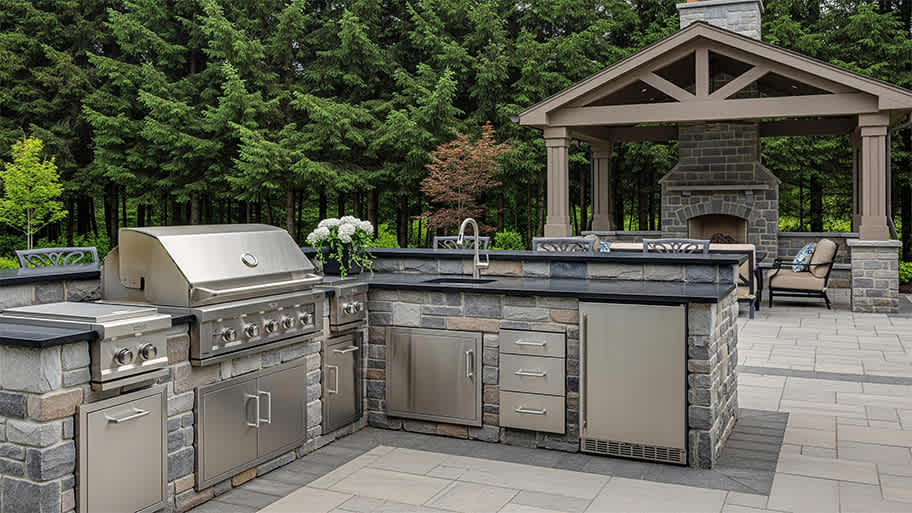
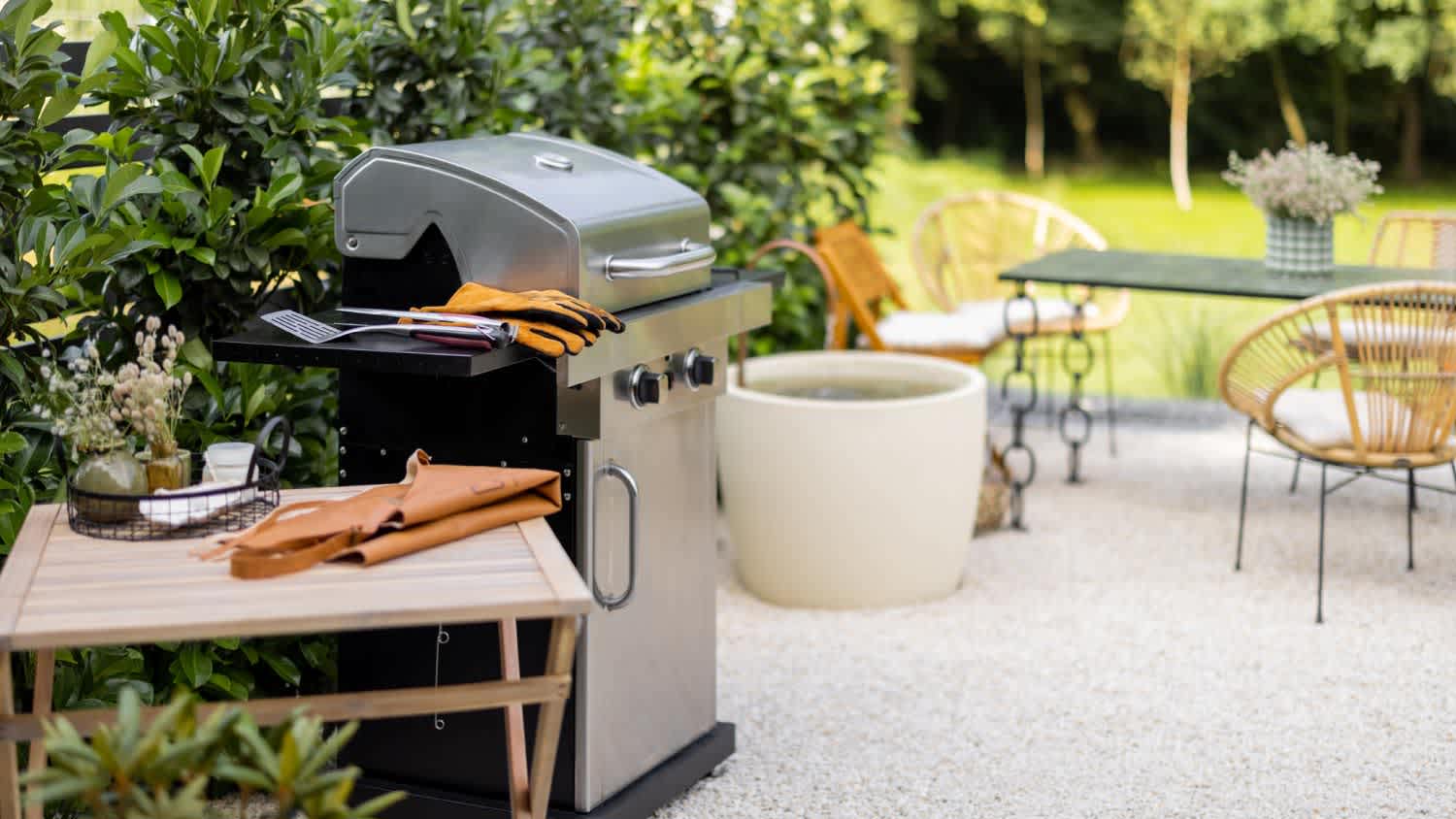
The difference between a built-in and regular grill is installation and design. A built-in grill is integrated into an outdoor kitchen or structure, often within a countertop or island. It is a permanent fixture. A regular grill is standalone, portable, or cart-mounted, allowing mobility and versatility in placement. Built-in grills are typically larger with more cooking space, while regular grills come in various sizes. Built-in grills are favored for creating a custom outdoor cooking area, while regular grills provide convenience and flexibility.

Pallet wood can withstand all kinds of outdoor weather conditions, which is part of why pallet fences are so appealing to DIY-ers. You can weatherproof the wood further before you paint or stain it, as well. Pallet fences are low-cost, easy to install, and can withstand sun and rain exposure without rotting.

For outdoor kitchens, it's best to use wood that is naturally resistant to weather elements like water and heat, which can cause fading, mold, or mildew. Excellent choices include teak, Brazilian walnut, white oak, and mahogany. Avoid softwoods such as pine and cedar, as they are more susceptible to damage and can catch fire easily. Regardless of the wood you choose, it should be pressure-treated for extra protection and regularly maintained with sealants, oils, and stains.

How big a fire pit should be depends on how many people you want to get around it on a regular basis, and how big your space is. The average fire pit size is between 36 and 44 inches. However, if you regularly host big gatherings and have the appropriate outdoor space, you can go as big as 72 inches.

The Basalt, ID homeowners’ guide to outdoor kitchen services

From average costs to expert advice, get all the answers you need to get your job done.