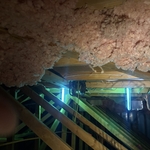
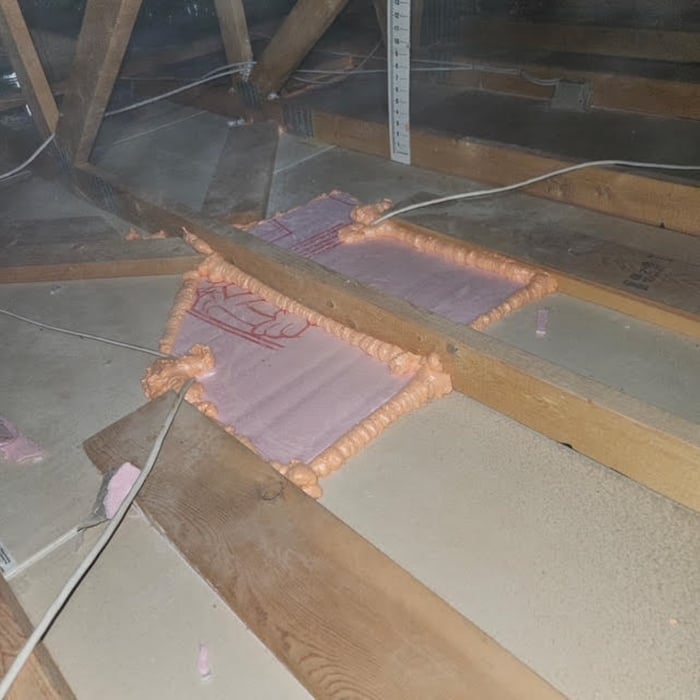
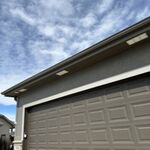
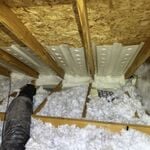
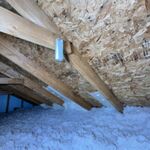
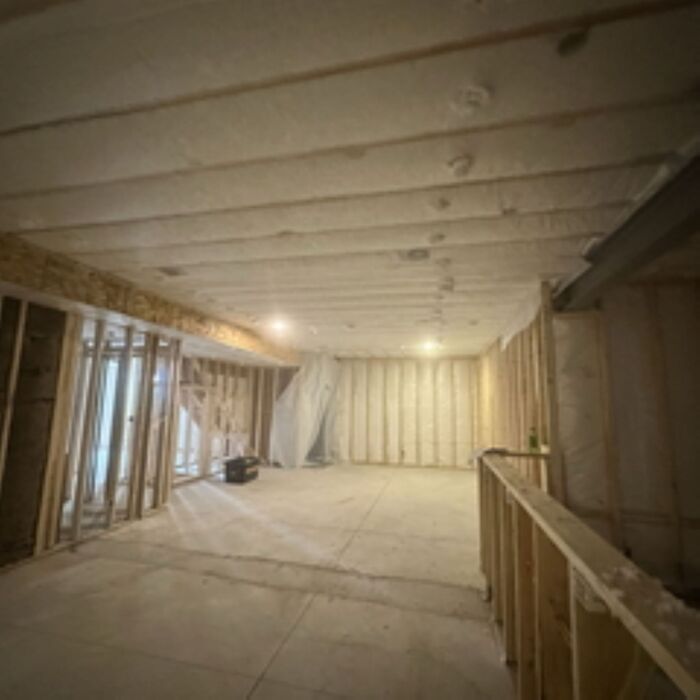
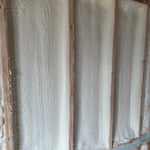
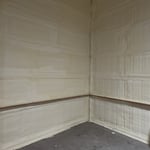
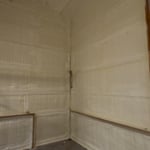
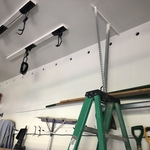
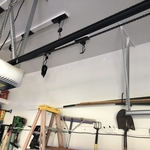
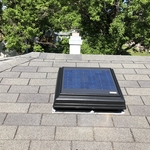
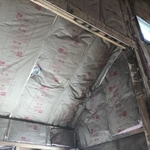
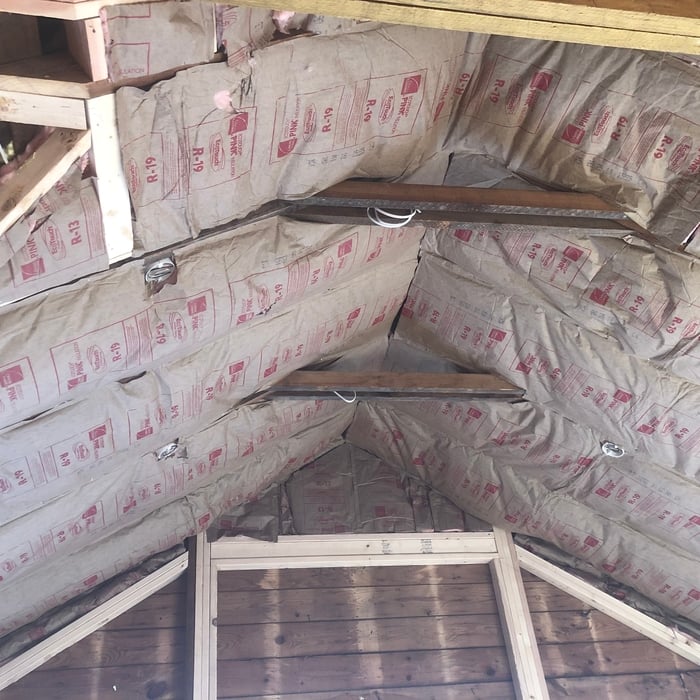
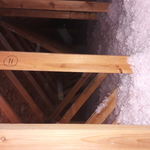
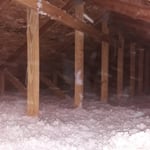
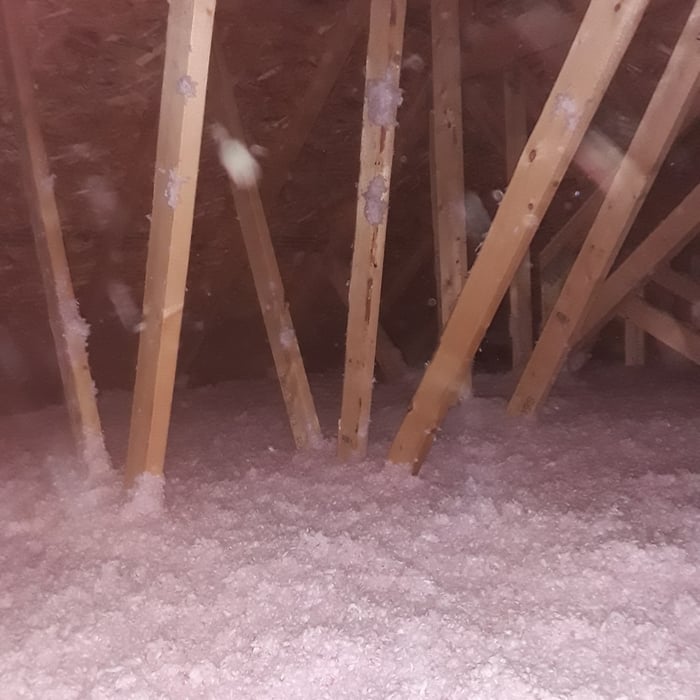
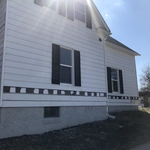
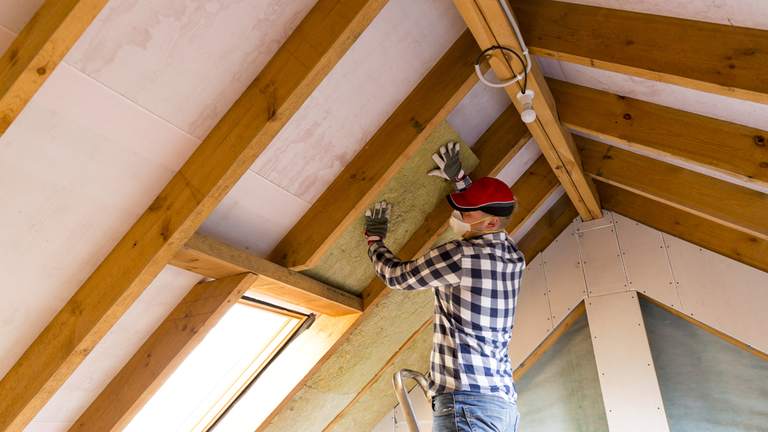
"Abraham and his team, Will and Josh, did a great job of removing old insulation, sealing air leaks and adding new insulation to the attic in my 46 year old home. The old insulation was blocking air flow through the attic and this needed to be addressed, which they did. They were very professional and hard-working. Communication was excellent and everything was well explained and the process photographed. We are glad we hired Abraham for this project!"
"They were prompt, friendly and knowledgeable about their product. In an out in about two hours from set up to completion. Iâ ve already noticed a difference in my house. Definitely would recommend them for foam insulation."
"We have an Older home so some of the construction was differant but Shannon was able to solve any problems and did a great job of Insulating our side walls and the attic. We will now have a warm and cozy home. We can already feel the difference. We are waiting for the first utility bill after this was done to see how much our heating bill goes down. Would highly recommend S and K for insulation services. Dennis J"
We pride our company on reliability, great communication, integrity, and quality work along side having equipment no older than 2022. We strongly believe in giving our absolute best in all the work we perform. We are experts and will always keep you educated about the work process. We look forward to earning your business.
We pride our company on reliability, great communication, integrity, and quality work. We are experts in our trade and will do our best to keep you as educated as we can on your particular task or project. We look forward to earning your business! Book with us online or feel free to give us a call today!
\n
"We had a bathroom floor repaired due to it sinking. John and helper was professional, communicated every step that was going to be made. Would recommend and will use them again!"
"Prevailing came in to insulate my basement and attic. The workers were professional and worked the entire time they were here (which seems like a low standard, but I've had situations where 4 people come to work and 2 stand around talking for most of it from other companies). More importantly, they explained what they were doing as they did it, and cleaned up after themselves before they left! Scheduling the service was quick and easy since they were able to use our Alliant Energy quote to avoid a second home assessment, and they came in under budget. Very satisfied - plan to have them back to blow insulation in the exterior walls before winter."
"Abraham and his team, Will and Josh, did a great job of removing old insulation, sealing air leaks and adding new insulation to the attic in my 46 year old home. The old insulation was blocking air flow through the attic and this needed to be addressed, which they did. They were very professional and hard-working. Communication was excellent and everything was well explained and the process photographed. We are glad we hired Abraham for this project!"
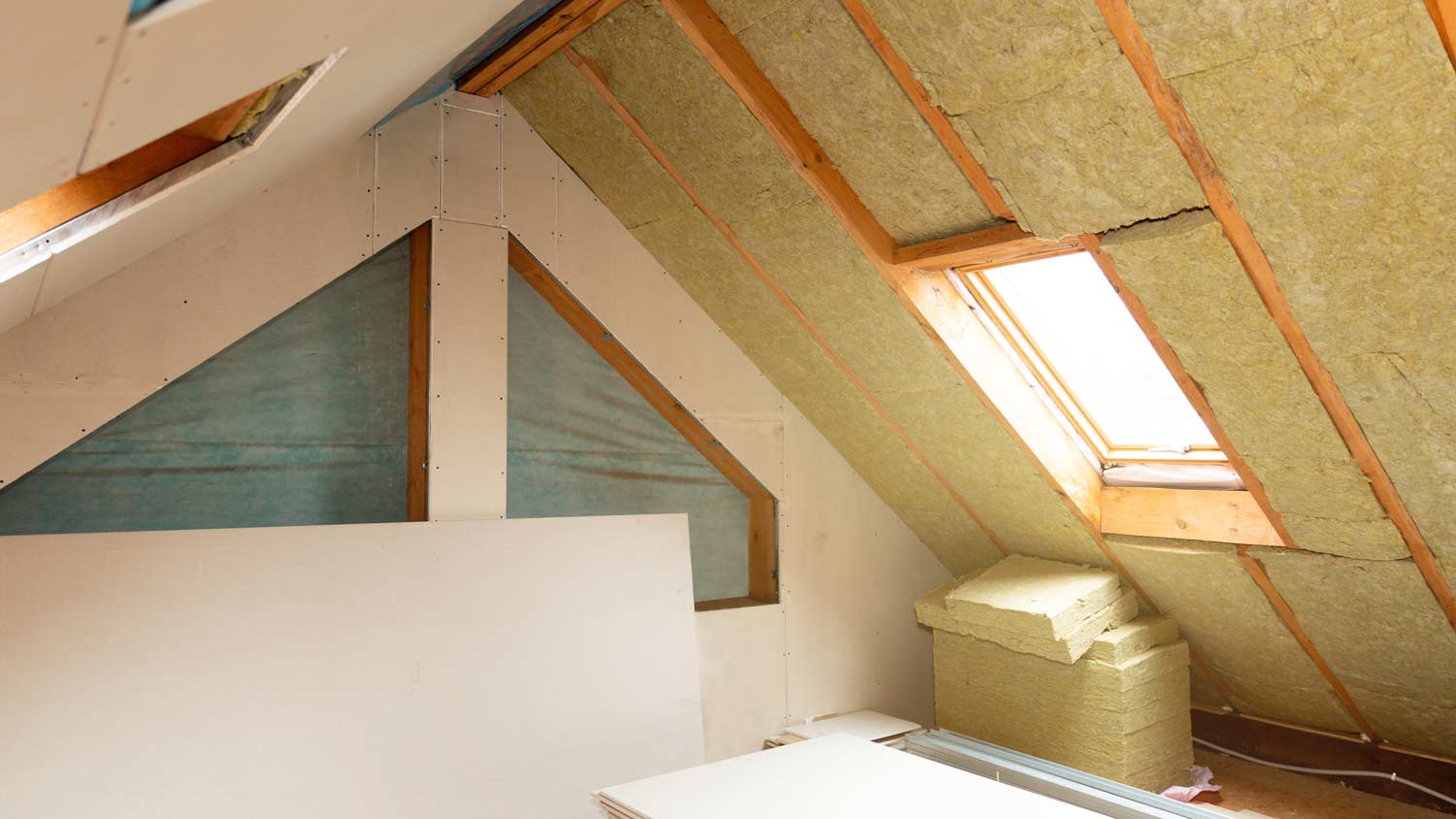
It is normal for the attic to be hotter than the rest of the house in the summer, but only by about 10 or 20 degrees. Attics that aren’t properly insulated or ventilated can reach temperatures of 130 degrees or more which can cause damage to the home’s structure, including the roof, wood framing, and HVAC system.
Selling a house with spray foam insulation can be challenging due to concerns about improper installation or its compatibility with the home's structure. If not applied correctly, spray foam can cause issues such as moisture buildup, cracking, or damage to wiring and plumbing. If the insulation didn't cure correctly, there are also flammability concerns. Removing or repairing this type of insulation can pose risks as well.
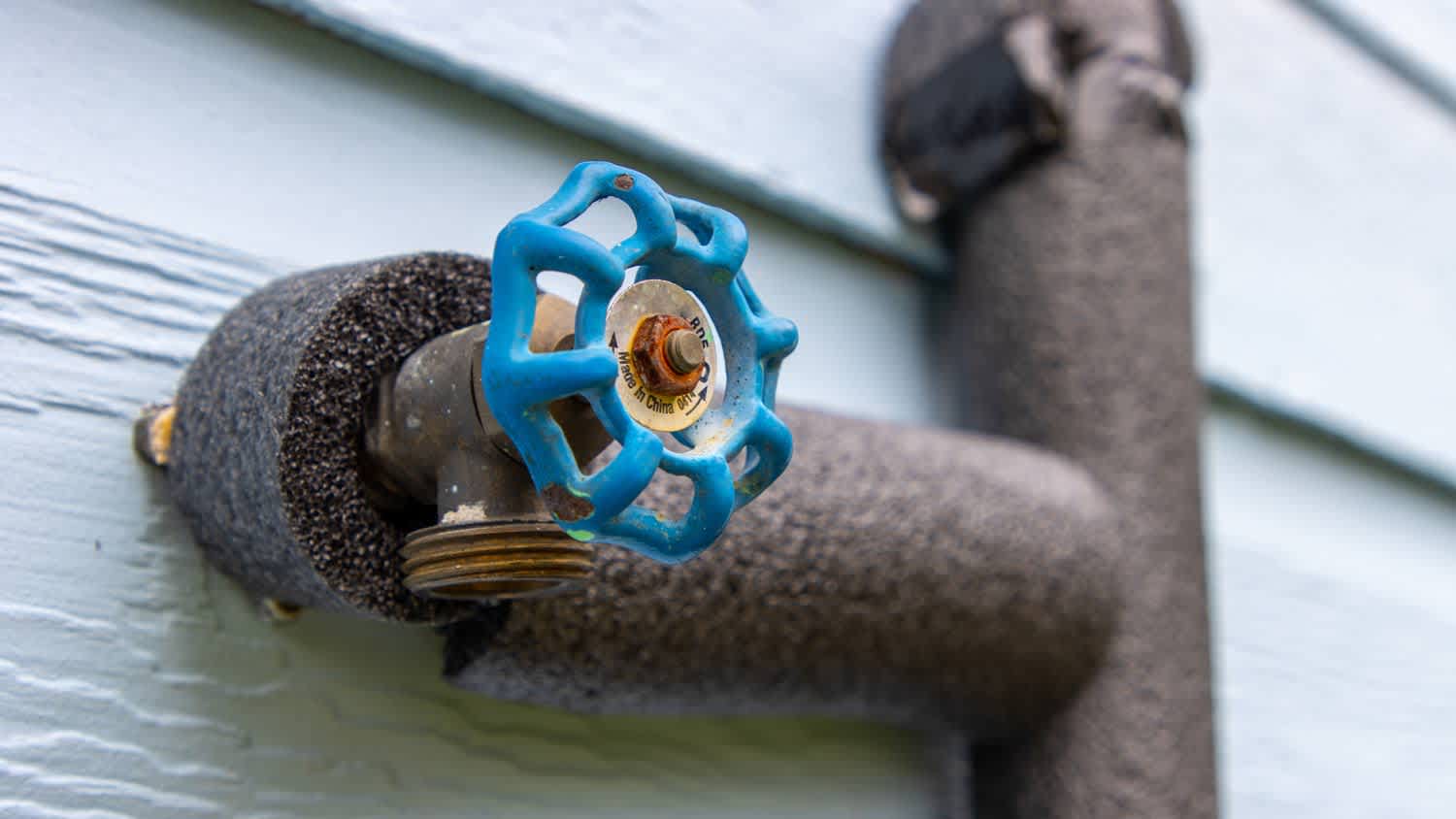
The benefits of insulating your pipes include preventing freezing, sweating, and condensation. In addition, insulating your pipes can make your home more energy-efficient by keeping your pipes from losing or gaining heat. You’ll be able to turn the temperature of your water heater down by two to four degrees Fahrenheit. According to the U.S. Department of Energy, this can reduce energy costs by 3% to 4% per year.
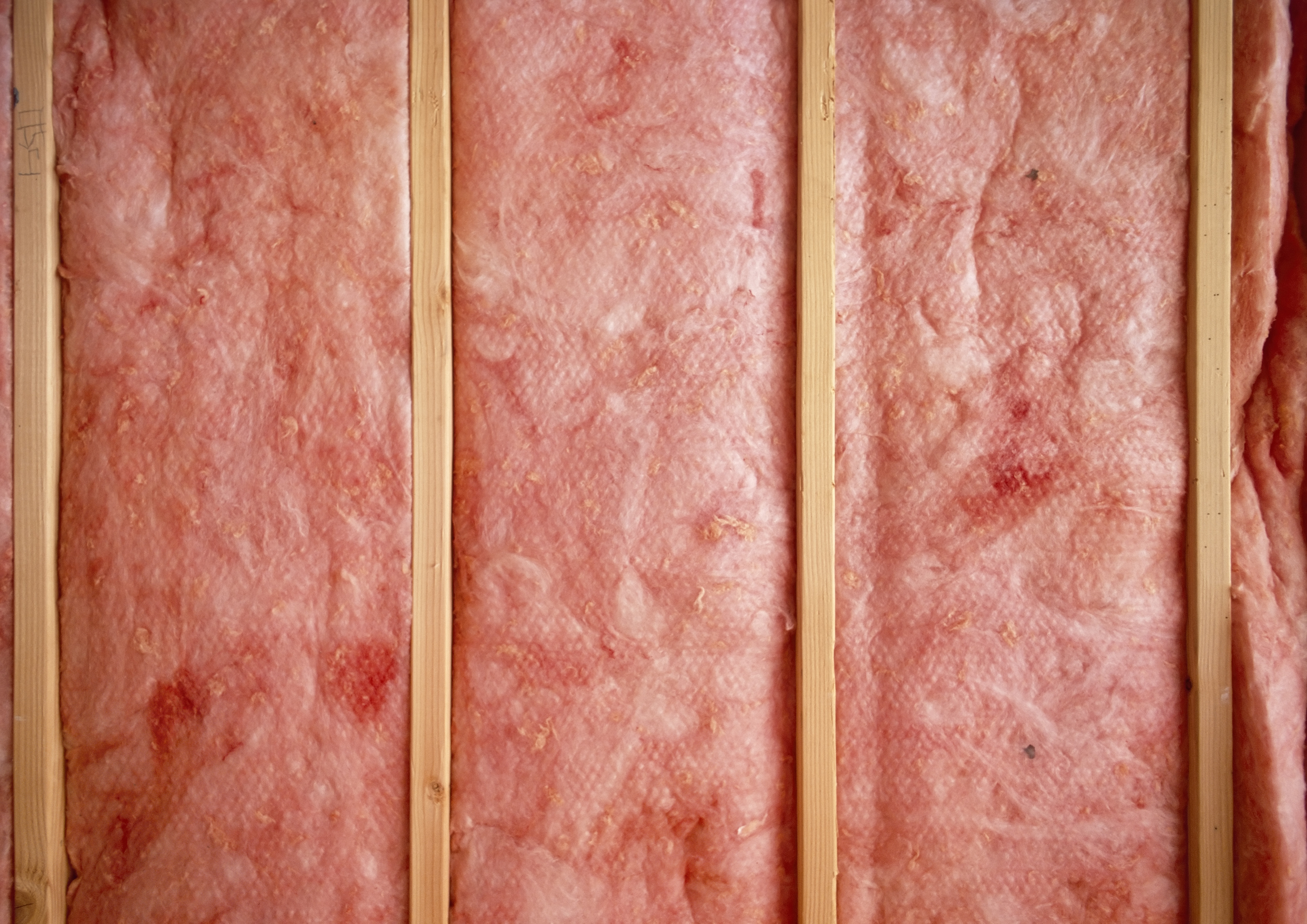
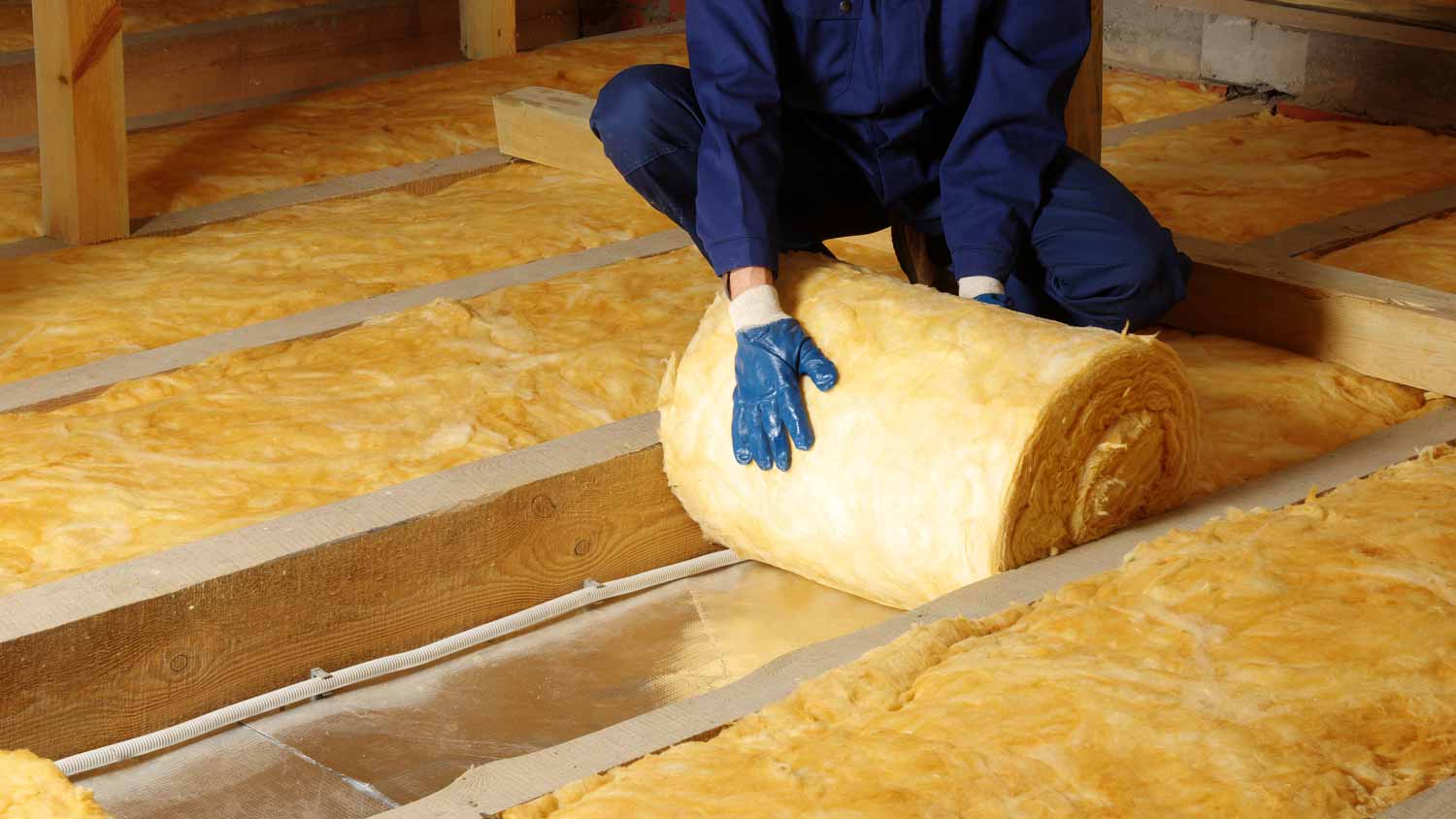
The most insulative type of insulation for behind drywall is spray foam insulation, but this is the most expensive insulation available. The most common insulation—sometimes considered the best for the value you get for the money—is fiberglass roll or fiberglass batt insulation, which is significantly more affordable but also far less insulative. The best kind of insulation for your house will also vary based on the climate in your area, your budget, and more. A professional insulation company can help you decide which type is best for your home.
While insulation is required for all exterior walls in a house, it is not typically required for interior walls. Local and state building codes mandate that new construction homes have adequate insulation in exterior walls and ceilings to suit the local climate.
However, there are several benefits to adding insulation to interior walls. It is excellent for sound-dampening between rooms and can help with temperature control by maintaining a regulated temperature in specific rooms and lowering heat transfer between adjacent areas. Insulating interior walls can also contribute to the overall energy efficiency of your home.
The Waukee, IA homeowners’ guide to insulation services
From average costs to expert advice, get all the answers you need to get your job done.
New insulation can make your home more comfortable and boost energy efficiency. Use this insulation cost guide to get an accurate estimate for the installation.
What is insulation? This behind-the-scenes home fixture will maintain comfortable temperatures in your home no matter the season. It’ll lower energy bills, to boot.