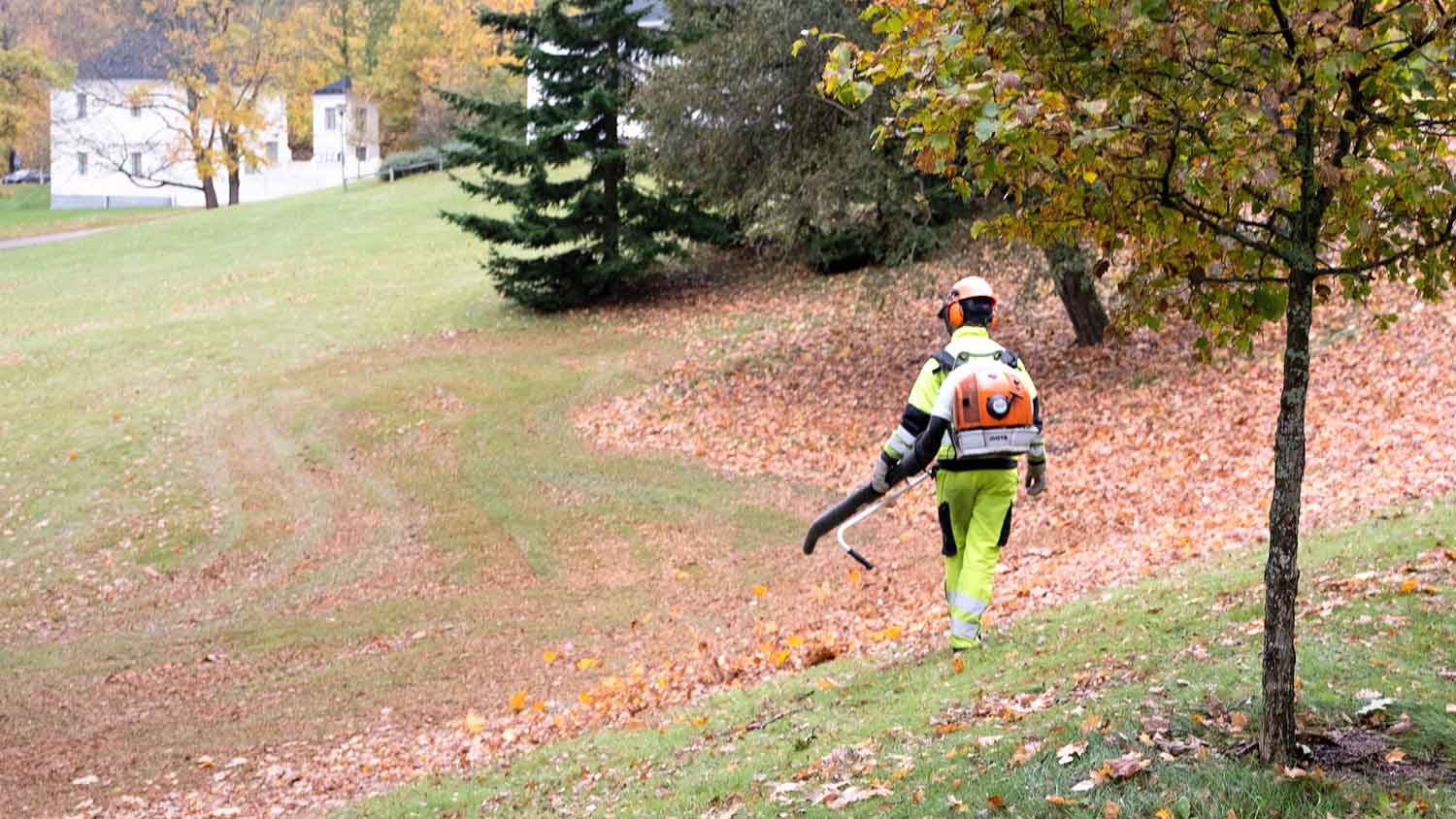
Top-rated leaf removal pros.

Best leaf removal pros near Toddville, IA

Enter your zip and get matched with up to 5 pros

Need a pro for your leaf removal project in Toddville, IA?

Select your specific project to find the pro for you.

TRUSTED BY TODDVILLE, IA HOMEOWNERS

  • Average homeowner rating star icon4.8
    Average homeowner rating
  • Verified reviews icon25
    Verified leaf removal services reviews

Top-Rated Leaf removal pros in Toddville - Updated Nov 2026

Avatar for Strong Helpers Co.
Strong Helpers Co.
New to Angi
Lawn & Yard Waste Clean UpLawn Care - Fall / Spring Clean Up - For BusinessLawn Care - Maintain and Mow a Lawn+1 more

Serving Toddville, IA and surrounding areas

Approved

Free estimates

Small jobs welcome

Offers commercial services

We are Strong Helpers Co. - The Strength You Need for Home AND Business! 💪\nStrong Helpers Co. is your single, reliable partner, bringing professional muscle and support to every task on your list. \n\nOur mission is simple: to provide the strength and reliability you need for Everyday Tasks When You Need It!\n\nHow We Empower You or Your Business:\n\nFor Homeowners & Landlords (Residential):\n• 🏡 Home Improvement & Maintenance: Everything from small repairs and exterior upkeep to crucial rental property turn-over and support.\n\n• 📦 Moving & Delivery: Efficient, safe, and stress-free transport for your items.\n\n• 🗑️ Waste Management: Specialized in full estate cleanouts, removal of single large items, and emergency trash pickup during service delays.\n\n• 🧹 Cleaning Packages: Deep cleaning and routine services for a spotless home.\n\n• 🏠 Home & Pet Monitoring (including Airbnb): Peace of mind and reliable oversight while

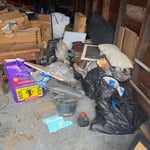
Garage Cleanout
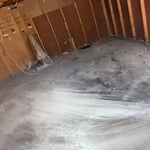
Garage Cleanout
...
Showing 1-10 of 130
Leaf Removal FAQs, answered by experts

Hazardous waste is waste that poses a threat to human or environmental health. This generally refers to waste that is flammable, corrosive, toxic, or reactive. To confirm if the waste you need to remove is considered hazardous waste, contact your local hazardous waste facility.

Lead toxicity comes from inhaling lead or consuming it. Before the 1980s, when the government banned lead from consumer use, it could be found in paint, plumbing, pipes, ceramics, and even gasoline. Lead paint is toxic for the same reason lead itself is toxic, which is why lead poisoning from paint presents the same as lead poisoning from water or food sources, with a slight increase in respiratory symptoms vs. digestive symptoms. Lead paint is most dangerous when it’s old and peeling, cracking, or otherwise disturbed. This increases the concentration in the air and, therefore, in breathable air. 

You do not have to remove lead paint if the surface is not chipping or peeling or if there are no pregnant people or children under the age of six who live in or regularly visit your home. Lead paint is a particular risk for young children whose brains and bodies are not fully developed. Experts strongly recommend that you call a pro to remove lead paint if it’s peeling or flaking, no matter who lives in the home. You can experience lead poisoning by breathing in or ingesting just a small amount of it.

While not all homes built before 1978 contain lead paint, enough do, so you’ll still want to test to be on the safe side. The federal government banned lead-based paint for homes in 1978, but your state may have banned lead before that time. Around 24% of homes built between 1960 and 1977 contained lead-based paint, while 87% of homes built before 1940 contained lead-based paint.

According to the Environmental Protection Agency (EPA), hazardous waste is generally classified into four main categories:

1. Characteristic Wastes: These exhibit at least one of four hazardous traits: ignitability (flammable, like gasoline), corrosivity (can rust or decompose materials, like car batteries), reactivity (unstable and can explode, like aerosol cans), or toxicity (harmful when ingested, like lead-based paint).

2. Listed Wastes: These are specific wastes from manufacturing and industrial processes that the EPA has officially designated as hazardous. They include byproducts from processes that use solvents, pesticides, and other chemicals.

3. Universal Wastes: These are commonly generated hazardous items that are subject to streamlined regulations. Examples include batteries, pesticides, mercury-containing equipment (e.g., bulbs), and some lamps.

4. Mixed Wastes: This category includes waste that contains both hazardous and radioactive components, making it subject to regulation by both the EPA and the Nuclear Regulatory Commission.

The Toddville, IA homeowners’ guide to leaf removal services

From average costs to expert advice, get all the answers you need to get your job done.